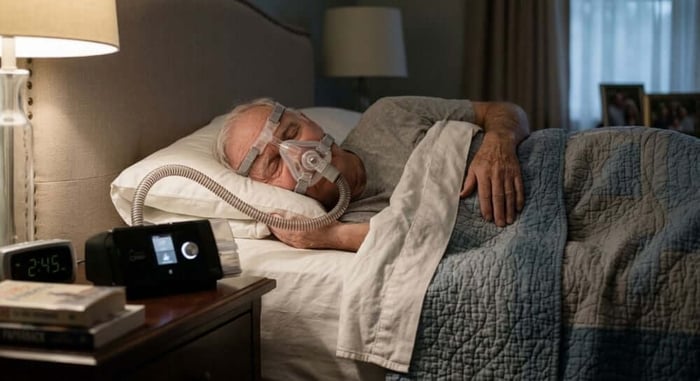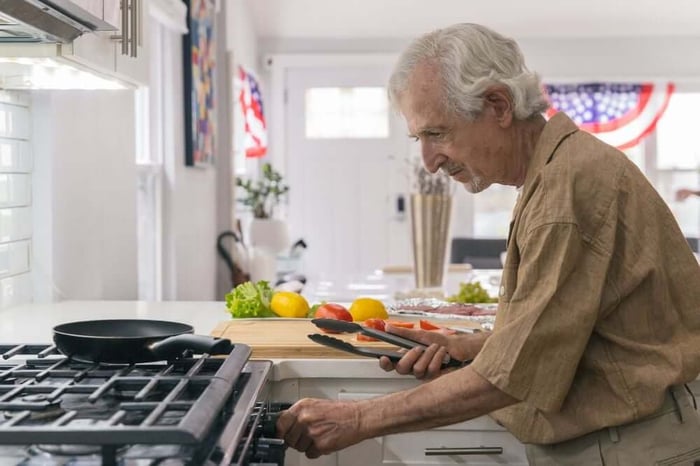

Growing older doesn't have to mean giving up independence. For many older adults, remaining in their own home, making their own decisions, and continuing with familiar routines are closely tied to their sense of identity, confidence, and overall quality of life. While some changes are inevitable with age, losing independence is not. With the right support, many seniors can continue living safely and confidently in their own homes for years.
This has never been more important. America's population is aging rapidly, with adults aged 65 and older now making up 18% of the U.S. population according to United States Census Bureau data. This is up from 12.4% in 2004, and the trend is expected to continue.
At the same time, according to an AARP survey, around 75% of adults over 50 say they want to remain in their own homes and communities as they age, making "aging in place" one of the defining challenges facing today's families. Maintaining independence is about much more than convenience. It has a direct impact on physical health, emotional well-being, confidence, and quality of life. It also helps many older adults remain active participants in their families and communities for longer.
For family caregivers, supporting that independence can sometimes feel like walking a fine line. You naturally want to keep your loved one safe, but you also want to respect their wishes and encourage them to continue doing as much as they comfortably can for themselves. Knowing when to step in and when to step back isn't always easy.
The encouraging news is that independence doesn't mean doing everything alone. Rather, it's about helping older adults maintain control over their lives while providing the support they need to overcome the challenges that naturally come with aging.
This guide brings together many of the key elements that contribute to independent living, from mobility and home safety to nutrition, chronic disease management, emotional wellbeing, and personal care. Throughout the guide, you'll find links to more detailed articles covering each topic in greater depth, making this a practical starting point for caregivers looking to build their knowledge over time.
Understanding What Independence Really Means
When people think about independence, they often picture someone who manages every aspect of daily life without assistance. In reality, helping seniors maintain independence at home is much more personal and far more flexible than that.
Many older adults remain highly independent while receiving help with specific tasks. They may rely on family members for transportation, ask for assistance with grocery shopping, or appreciate help with heavier household chores while continuing to make their own decisions, manage their daily routines, and enjoy an active social life.
True independence isn't measured by how little help someone receives. It's measured by how much control they retain over their own life.
For caregivers, this shift in perspective is important. Our natural instinct is often to protect those we love by taking over tasks that have become more difficult. Although this comes from a place of compassion, doing too much too soon can sometimes reduce confidence and limit opportunities for older adults to remain physically and mentally active.
Whenever possible, it's often better to support rather than replace. Small adjustments, such as allowing extra time to complete a task, introducing adaptive equipment, or modifying the home environment, can help someone continue doing things safely while preserving their sense of independence.
Instead of asking, "What can I do for them?", it can be helpful to ask, "What can we do together?" or "What can they still do safely on their own?" That simple change in thinking often makes a meaningful difference.
Recognizing When Extra Support Is Needed
Supporting independence also means recognizing when additional help may be beneficial. These changes often occur gradually, making them easy to overlook until they begin to affect everyday life.
Some of the early signs that an older adult may benefit from extra support include:
- Increasing difficulty with walking or maintaining balance.
- Avoiding activities they previously enjoyed.
- Forgetting appointments or medications more often.
- Unexplained weight loss or changes in eating habits.
- Difficulty keeping up with housekeeping or personal hygiene.
- Reduced stamina or increased fatigue.
- New concerns about vision or hearing.
- Becoming withdrawn from family, friends, or community activities.
Experiencing one or two of these changes doesn't necessarily mean someone can no longer live independently. More often, they present an opportunity to provide practical support before a minor challenge becomes a more serious problem.
For example, a senior who feels less confident walking outdoors may benefit from a mobility assessment and an appropriate walking aid rather than giving up daily walks altogether. Someone struggling to read medication labels may simply need brighter lighting, larger print labels, or a better medication organization system.
Addressing these challenges early is one of the most effective ways to help older adults remain independent for longer.
The Building Blocks of Independent Living
Living independently isn't dependent on one single factor. Instead, it relies on several areas of health and daily living working together to support both physical ability and emotional wellbeing.
In the following sections, we'll explore the key building blocks that help older adults continue living safely and confidently at home. Each section provides an overview of the topic before directing you to more detailed resources that explore individual subjects in greater depth.
Rather than trying to solve every challenge at once, think of these building blocks as pieces of a larger puzzle. Improvements in one area often have a positive effect on many others. Better mobility can encourage greater social engagement. Improved nutrition may increase energy levels. A safer home environment can boost confidence and reduce the fear of falling.
When these elements come together, they create the foundation for maintaining independence with dignity, confidence, and the highest possible quality of life.
Safe Mobility. The Foundation of Independence
The ability to move around safely is one of the greatest contributors to independent living. Whether it's walking to the mailbox, preparing a meal, climbing a flight of stairs, or visiting friends, mobility affects almost every aspect of daily life. When movement becomes difficult, people often begin limiting their activities, sometimes long before it becomes medically necessary.
Reduced mobility doesn't only affect physical health. It can also influence confidence, emotional well-being, and social engagement. An older adult who worries about losing their balance may stop attending community events, avoid shopping independently, or become reluctant to leave the house altogether. Over time, this reduced activity can contribute to muscle weakness, loneliness, and a gradual loss of independence.
Fortunately, mobility challenges rarely appear overnight. Small changes often provide an opportunity to intervene early and help someone remain active.
Some common signs include:
- Taking shorter or slower walks.
- Using furniture for support while walking.
- Becoming hesitant on uneven surfaces or stairs.
- Finding it more difficult to carry groceries or household items.
- Avoiding outings because walking feels tiring or uncomfortable.
Recognizing these changes early allows caregivers to explore practical solutions before confidence begins to decline.
Sometimes the answer is as simple as starting a regular exercise program to improve strength and balance. In other situations, an appropriately selected mobility aid can provide the extra stability needed to continue enjoying daily activities safely.
The important point is that introducing a mobility aid should never be viewed as giving up independence. Quite the opposite. The right equipment often enables older adults to remain active, continue participating in family life, and maintain the confidence to do things they might otherwise avoid.
Continue your learning:
The Caregiver Guide – How to Choose a Walker
Transitioning from Walking to Mobility Aids for Seniors
Creating a Safe Home Environment
Home should be the place where older adults feel most comfortable, yet it can also present unexpected challenges as physical abilities change.
Fortunately, improving safety doesn't necessarily require expensive renovations. In many cases, a series of small adjustments can make everyday activities easier while helping older adults continue living independently.
Simple changes such as improving lighting, reducing trip hazards, installing grab bars where appropriate, and keeping frequently used items within easy reach can make a noticeable difference without changing the familiar feel of the home.
It's equally important to look beyond obvious hazards. Everyday routines should also be considered.
Ask yourself questions such as:
- Can they prepare meals safely?
- Are medication supplies easy to reach?
- Is the bathroom comfortable to use?
- Are frequently used pathways free from clutter?
- Can they answer the door safely?
- Is emergency assistance easily accessible if needed?
These questions encourage caregivers to think about how the home supports daily living rather than simply identifying hazards.
The goal isn't to remove every possible risk. That would be unrealistic. Instead, it's about creating an environment that encourages confidence while reducing unnecessary obstacles to independent living.
Continue your learning:
The Caregiver Guide – Home Safety Tips for Seniors
The Caregiver Guide –The Care Supporting Vision Loss at Home
Personal Care and Daily Living
Personal care is one of the most sensitive aspects of caregiving because it directly affects dignity, privacy, and self-esteem.
As people grow older, everyday activities such as bathing, dressing, grooming, and using the bathroom may gradually become more challenging. For many seniors, accepting help with these tasks can feel like losing a part of their independence.
Family caregivers naturally want to assist, but preserving independence often means encouraging participation rather than taking complete control.
For example, adaptive clothing may allow someone with arthritis to continue dressing themselves. A shower chair or handheld showerhead can make bathing safer without requiring constant supervision. Long-handled dressing aids or reachers may help someone continue completing daily routines with confidence.
Supporting independence isn't always about doing less. It's about finding better ways to help older adults continue doing as much as they safely can for themselves.
Caregivers should also remember that these conversations require patience and sensitivity. Many older adults value their privacy and may feel embarrassed discussing personal care needs. Taking time to listen, involving them in decisions, and respecting their preferences whenever possible helps preserve both dignity and trust.
Continue your learning:
The Caregiver Guide - Adaptive Clothing and Dressing Aids
The Caregiver Guide – Managing Personal Hygiene Challenges
Managing Health Before It Becomes a Crisis
Good health is one of the cornerstones of independent living. While some medical conditions become more common with age, many can be managed successfully when they are identified early and monitored consistently.
One of the biggest challenges for family caregivers is that changes in health are often gradual. A loved one may begin forgetting medications occasionally, feel more tired than usual, or struggle to keep track of medical appointments. Individually, these changes may seem minor. Together, they can slowly affect confidence, physical ability, and the capacity to live independently.
Developing simple routines can make a significant difference. Keeping a current list of medications, attending regular health check-ups, monitoring changes in weight or appetite, and encouraging recommended screenings all help identify problems before they become emergencies.
Chronic conditions such as diabetes, arthritis, heart disease, vision loss, hearing loss, and high blood pressure don't automatically prevent someone from living independently. However, they do require ongoing management and, in many cases, small adjustments to daily routines.
The role of a caregiver isn't to replace healthcare professionals. Instead, it's to help create an environment where healthy habits become part of everyday life. That may involve organising medications, accompanying a loved one to appointments, encouraging physical activity, or simply noticing changes that deserve further attention.
When health concerns are managed proactively, older adults are often able to continue enjoying the activities that matter most to them for many years.
Continue your learning:
The Compounded Conundrum: Diabetes and Peripheral Neuropathy
The Compounded Conundrum: Hypertension and Chronic Kidney Disease
Nutrition and Hydration: Fueling Independence
The foods we eat and the fluids we drink affect almost every aspect of healthy aging. Good nutrition helps maintain muscle strength, supports the immune system, promotes wound healing, and provides the energy needed to remain active throughout the day. Staying well hydrated is equally important for maintaining physical and cognitive function.
Unfortunately, eating and drinking well can become more difficult with age. Reduced appetite, dental problems, difficulty swallowing, medication side effects, limited mobility, or simply cooking for one person may all affect nutritional intake.
Caregivers can often help through simple, practical measures rather than major lifestyle changes.
Preparing balanced meals in advance, keeping healthy snacks readily available, encouraging regular fluid intake, and creating enjoyable mealtime routines can all make a meaningful difference.
It's also important to recognise that nutrition isn't solely about calories. Older adults require adequate protein to help maintain muscle mass, sufficient fibre to support digestive health, and a variety of vitamins and minerals that contribute to overall wellbeing.
Hydration deserves particular attention because the sensation of thirst often becomes less noticeable with age. Many older adults simply don't realise they're becoming dehydrated until symptoms begin affecting their energy, concentration, or balance.
By supporting healthy eating and drinking habits every day, caregivers can help maintain the strength and resilience needed for independent living.
Continue your learning:
Senior Health - Dehydration Symptoms, Risks, and Prevention
Sip Smart: Hydration and Immune Support Strategies for Seniors
Staying Connected: The Importance of Emotional and Social Wellbeing
Helping seniors maintain independence at home isn't only about their physical ability. Emotional wellbeing and social connection play an equally important role.
As people grow older, retirement, reduced mobility, the loss of friends or a spouse, and health problems can gradually reduce opportunities for social interaction. Even older adults who appear physically healthy may become isolated without regular contact with family, neighbours, or community groups.
Loneliness is more than an emotional experience. It can influence motivation, confidence, physical activity, and overall quality of life. Seniors who remain socially engaged are often more likely to continue participating in hobbies, attending appointments, exercising, and maintaining healthy routines.
Family caregivers can support social wellbeing in many ways.
Sometimes it's arranging regular visits with relatives. Sometimes it's encouraging participation in community activities, helping someone learn to use video calls, or simply making time for meaningful conversations.
It's equally important to respect personal preferences. Some people enjoy busy social calendars, while others prefer quieter interactions with a smaller circle of family and friends. Independence includes allowing older adults to choose how they spend their time whenever possible.
Helping someone remain socially connected isn't simply about preventing loneliness. It's about preserving purpose, confidence, and the enjoyment that comes from continuing to participate in life.
Continue your learning:
The Hidden Impact of Loneliness on Physical Health
Technology for Caregivers – How the Role is Changing
Supporting Cognitive Health
Memory, concentration, and decision-making naturally change as we age, but maintaining cognitive health involves much more than memory alone. Staying mentally active helps older adults continue to manage daily routines, make informed decisions, and participate confidently in everyday life.
Caregivers sometimes worry that every forgotten appointment or misplaced item is an early sign of dementia. While memory changes should never be ignored, many factors can temporarily affect cognitive function, including poor sleep, medication side effects, dehydration, infections, stress, or untreated hearing and vision problems.
Supporting cognitive health begins with everyday habits.
Regular physical activity, balanced nutrition, adequate sleep, meaningful social interaction, and mentally stimulating activities all contribute to maintaining brain health. Reading, puzzles, learning new skills, music, gardening, volunteering, or simply enjoying conversations with family can all help keep the mind engaged.
When more significant changes begin affecting daily life, early assessment is important. Identifying the cause allows healthcare professionals to recommend appropriate treatment, support services, and planning while the older adult can still participate fully in decisions about their future.
Perhaps most importantly, caregivers should remember that cognitive changes don't immediately remove a person's ability to make choices or remain involved in their own care. Preserving independence means continuing to involve them in decisions for as long as safely possible.
Continue your learning:
The Compounded Conundrum: Dementia and Sleep Disorders
The Caregiver Guide - Patient Communication; What You Don't Hear
Helping Without Taking Over
One of the most difficult challenges for family caregivers is knowing when to step in and when to step back. Watching someone you love struggle with everyday tasks naturally makes you want to help. Yet preserving independence often means resisting the urge to do everything for them.
Whenever it is safe to do so, encourage participation rather than perfection. If dressing takes a little longer, allow the extra time. If meal preparation requires some assistance, look for ways to share the task instead of completing it entirely. Small successes help build confidence and reinforce the feeling of remaining capable.
This approach also supports physical and cognitive health. Everyday activities such as folding laundry, preparing simple meals, watering plants, or making the bed provide opportunities to stay active, solve problems, and maintain familiar routines. These activities may seem ordinary, but together they help preserve strength, coordination, and a sense of purpose.
Communication also plays an important role. Rather than making decisions on behalf of an older adult, involve them in conversations about their care whenever possible.
Ask questions such as:
- "What would make this easier for you?"
- "Would you like to try a different approach?"
- "How can I support you without you feeling that I’m taking over?"
Simple questions like these acknowledge that the older adult remains an active partner in decisions about their own life.
Of course, there may come a time when increased support becomes necessary for safety reasons. Even then, maintaining independence should remain the goal. Independence is not an all-or-nothing concept. Someone may need assistance with certain activities but still be able to make decisions, pursue hobbies, maintain friendships, and enjoy meaningful daily routines.
The most effective caregivers don't measure success by how much they do. They measure it by how much their loved one is still able to do for themselves.
Building Your Support Network
No caregiver should feel they have to manage everything alone.
Helping seniors maintain independence at home often requires the support of a wider team. Family members, friends, healthcare professionals, therapists, pharmacists, community organisations, and trusted neighbours can all play valuable roles.
Building that network before a crisis occurs makes it much easier to respond when circumstances change.
For example, keeping an up-to-date list of healthcare providers, discussing emergency contacts with family members, and becoming familiar with local community services can reduce stress and prevent rushed decisions later.
Technology can also strengthen a caregiver's support network. Shared family calendars, medication reminder apps, telehealth appointments, emergency response systems, and video calls all make it easier to coordinate care while allowing older adults to remain actively involved in their daily lives.
It's equally important for caregivers to recognise their own needs. Caring for someone else can be deeply rewarding, but it can also be physically and emotionally demanding. Accepting help, taking regular breaks, and seeking support when needed are not signs of weakness. They are essential for providing consistent, compassionate care over the long term.
Remember, maintaining independence is rarely the responsibility of one person. It is usually the result of many people working together with a shared goal.
Independence Looks Different for Everyone
No two people experience aging in exactly the same way.
One older adult may continue hiking well into their seventies, while another may need a walking aid after surgery. Someone living with arthritis may require adaptive equipment to continue dressing independently, while another person may need help managing medications but remain socially active and mentally sharp.
Comparing one person's journey with another rarely provides useful answers.
Instead, focus on helping each individual achieve the highest level of independence that is realistic, safe, and meaningful for them. That may involve introducing assistive devices, modifying the home environment, encouraging healthier routines, or simply providing reassurance when confidence begins to fade.
Helping seniors maintain independence at home isn't about avoiding change. It's about adapting to change in ways that allow older adults to continue living fulfilling lives.
As caregivers, our role is not to take control away from those we love. It is to provide the right support at the right time, preserving dignity, encouraging confidence, and helping them remain active participants in their own lives for as long as possible.
Conclusion
Helping an older adult maintain their independence is one of the greatest gifts a caregiver can offer. It isn't about eliminating every challenge or preventing every setback. Instead, it's about recognising abilities, encouraging participation, and creating an environment where older adults can continue living with confidence, purpose, and dignity.
Every positive step matters. Installing a grab bar, introducing a mobility aid, encouraging healthier eating, adapting daily routines, or simply taking the time to ask, "How would you like to do this?" can have a lasting impact on someone's quality of life. Small changes, made thoughtfully and with compassion, often allow older adults to remain safely in their own homes for much longer than they or their families imagined possible.
Throughout this guide, we've explored the many factors that contribute to independent living. As you continue your caregiving journey, remember that each of these topics deserves a closer look. The linked resources throughout this guide provide practical advice, detailed information, and real-world strategies to help you support your loved one with confidence.
At LL Medico, we believe that caregiving is about helping seniors maintain independence at home as far as possible while also looking after their daily needs when necessary. We try to support caregivers and their loved ones with products that preserve dignity and independence, such as adult diapers for discreet protection against incontinence, personal care products to make everyday hygiene routines easier and home and bath safety devices to create a safer home environment.
For advice on how our products can help, call us at (855) 422-4556 or email support@llmedico.com. On weekdays between 9 am and 5 pm EST, we’re also available for an online chat. Our experienced assistants will gladly help you make the right choices.
As Helen Keller wisely observed, "Alone we can do so little; together we can do so much." These words encapsulate the heart of successful caregiving. Independence is rarely achieved alone. It grows through encouragement, understanding, thoughtful support, and the shared commitment to helping older adults continue living with dignity, confidence, and hope.