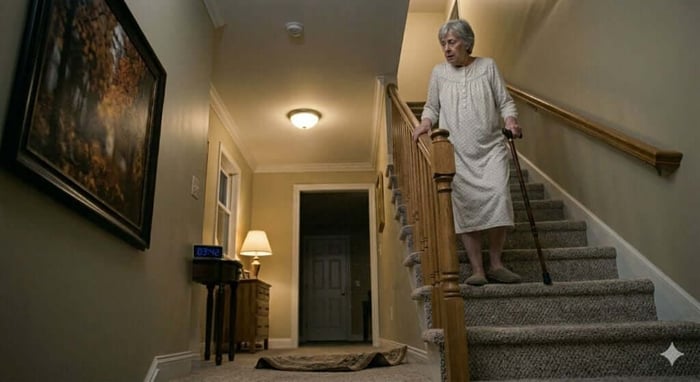

It’s widely accepted that older adults experience less or poorer quality sleep. The National Institute on Aging reports that insomnia, sleep apnea, restless sleep, and fragmented sleep become more common with age, particularly when chronic illness or medication use is involved.
Another thing that is quite common among older adults is dementia. A study published by the National Institutes of Health found that the estimated lifetime risk of dementia for Americans was 42% after age 55. As with most conditions, the prevalence increases further as age advances beyond 55.
Considered individually, these two conditions are challenging enough, but as a combination, they’re highly disruptive in the latter stages of life. They often create a cycle that affects memory, mood, physical health, and the stability of the entire household.
The impact reaches far beyond bedtime. Poor sleep may worsen memory, increase irritability, raise fall risk, and place enormous strain on caregivers who are also losing rest. Understanding how dementia and sleep disorders influence each other is the first step toward breaking a pattern that can leave everyone exhausted.
Why Dementia and Sleep Disorders Often Arrive Together
Changes in the Brain’s Internal Clock
Healthy sleep depends on the brain’s ability to regulate circadian rhythm, the internal clock that helps us feel alert during the day and sleepy at night. Dementia can damage the areas of the brain involved in this process, making sleep-wake patterns less reliable.
Someone who once slept predictably may begin waking repeatedly, napping excessively during the day, or becoming restless late in the evening.
Memory Loss Creates Nighttime Confusion
A person living with dementia may wake during the night and not understand where they are or what time it is. Darkness, shadows, and unfamiliar silence can intensify confusion.
This can lead to:
- Wandering through the home
- Attempting to leave the house
- Calling out for family members
- Anxiety or agitation
What looks like difficult behavior is often fear mixed with disorientation.
Existing Sleep Disorders May Be Overlooked
Not every sleep problem in dementia is caused by dementia itself. Many older adults also live with:
- Sleep apnea
- Restless legs syndrome
- Chronic pain
- Medication-related insomnia
- Depression or anxiety
When these conditions go untreated, they can worsen both sleep quality and cognitive symptoms.
How Poor Sleep Can Worsen Dementia Symptoms
Memory and Thinking Often Decline Further
Sleep plays a key role in memory consolidation and brain recovery. When sleep becomes fragmented, concentration and recall often worsen the next day.
For someone already coping with dementia, even a small drop in cognitive reserve can be noticeable.
Mood Changes Become More Common
Poor sleep can lower tolerance for stress. Irritability, anxiety, tearfulness, and suspiciousness may increase after a restless night.
For caregivers, look out for a pattern of difficult days following a poor night.
Increased Fall Risk and Physical Decline
Nighttime waking creates practical dangers. Getting out of bed while groggy or confused increases the risk of falls. Over time, chronic sleep loss may also reduce strength, mobility, and immune resilience.
Sundowning and Evening Agitation
What It Is
The term “sundowning,” coined in 1987 by nurse researcher Lois K. Evans, refers to an increase in levels of confusion, restlessness, or agitation in the late afternoon or evening. Although quite common among people with dementia, not everyone experiences it. Estimates put the prevalence at between 20% and 60% of patients with Alzheimer’s disease. When it occurs, though, it makes evenings and bedtime especially challenging.
Why It Happens
There is no single cause, but contributing factors are thought to include:
- Fatigue after the day’s activities
- Changes in light and shadow
- Hunger or dehydration
- Overstimulation
- Disrupted circadian rhythm
The result is usually a household that becomes tense and on edge just when everyone is ready to wind down.
Practical Ways to Improve Sleep
Build a Predictable Daily Rhythm
Routine matters. Keeping to a schedule for getting up, taking meals, exercising, and going to bed helps reinforce the body’s natural clock. Even when sleep is imperfect, consistency can improve overall rhythm.
Encourage Daytime Light and Movement
Exposure to morning sunlight can support circadian timing. Gentle activity during the day, such as walking, stretching, or household movement, may help improve nighttime sleep. Although it sounds counterintuitive, too little daytime activity can lead to daytime naps, causing poorer sleep later.
Create a Calmer Evening Environment
As bedtime approaches, reduce stimulation. Lower lights gradually, limit loud television, and keep the environment peaceful. A familiar bedtime routine can help signal that the day is ending.
Address Physical Discomfort
Sometimes, sleep resistance is not rooted in any cognitive issues but triggered by something physical. Check for signs of:
- Pain
- Hunger
- Need to use the bathroom
- Room temperature discomfort
- Wet or uncomfortable incontinence products
Comfort problems frequently masquerade as sleep problems.
When Medical Evaluation Is Important
Watch for Sleep Apnea
Loud snoring, pauses in breathing, gasping, and severe daytime sleepiness may suggest sleep apnea, which can worsen fatigue, heart health, and cognitive functioning. If it seems to be getting worse, it’s better to seek medical attention rather than dismissing it as ordinary aging.
Review Medications
Some medications may stimulate wakefulness, while others can cause daytime drowsiness and naps that disrupt nighttime sleep. Timing can matter as much as the medication itself. Talk to a physician or pharmacist to review the medication schedule and dosage.
Persistent Insomnia Should Not Be Ignored
If someone consistently struggles to fall asleep, wakes repeatedly, or becomes dangerously active at night, consult a healthcare provider.
Sleep medications may help in the short term, but non-drug approaches are a better first choice because sedating drugs can increase confusion and fall risk.
Hope and Realistic Expectations
While it’s very difficult to completely reverse sleep quality issues, especially in progressive dementia, some improvement is always possible.
The goal should not be perfect sleep; just better sleep. Fewer disruptions and less agitation means safer nights, and more manageable days. These small gains can make a big difference.
Conclusion
Dementia and sleep disorders often feed each other in frustrating ways, turning nights into long stretches of frustration and uncertainty and days into endless spells of fatigue. It’s not necessarily all doom and gloom, though. A few simple changes can ease the challenges a little.
A bit of routine, a safe and comfortable environment, and compassionate support can restore calm where chaos threatens. As a caregiver, it’s worth remembering that your loved one’s poor sleep is not your failure nor their deliberate resistance. It’s much more likely just a cry for help.
At LL Medico, we understand the challenges of nighttime care for an older loved one. From top-quality adult diapers and protective bedding for sleep comfort to home and bath safety devices for peace of mind during nighttime bathroom visits, and much more, we aim to make these daily challenges more comfortable and practical. To find out more, call (855) 422-4556 today or email support@llmedico.com. Our experienced assistants will be happy to hear from you.
We close with the sage words of the Dalai Lama, “Sleep is the best meditation.” If we can improve the quality of rest, even just a little, we can restore strength, both physical and emotional, and renew hope for the day ahead.