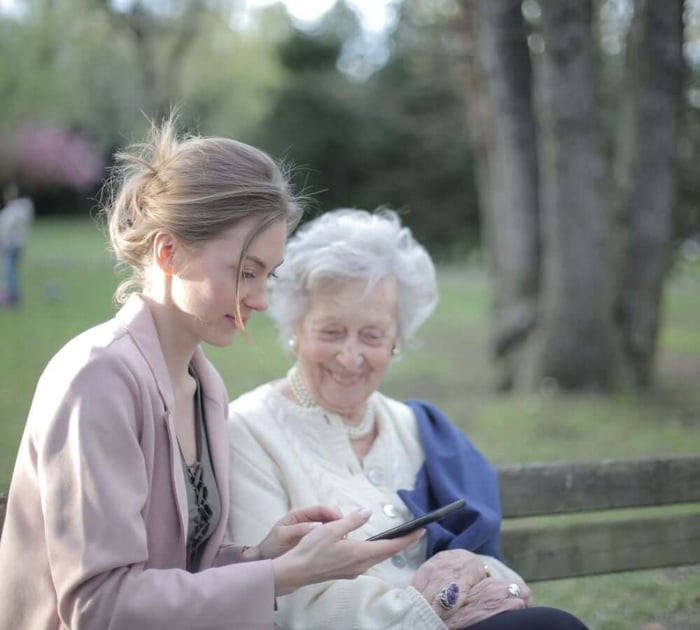

Caregiving can be very intimate and creates a deep connection between the caregiver and recipient. No app, device, or digital platform can replace the patience or compassion of the human caregiver, or the quiet reassurance of simply being there. But technology for caregivers is changing how caregiving happens at home, and for many families, it is making the job a little less overwhelming.
Today’s caregivers are juggling more than ever. According to the National Alliance for Caregiving and AARP’s Caregiving in the US 2025 report, more than 50 million Americans provide unpaid care for a loved one, with many balancing caregiving alongside full-time jobs and family responsibilities. At the same time, AARP’s 2025 Tech Trend Report shows that more than 80% of adults over 50 now use the internet in some form, a number that continues to rise as technology becomes more accessible.
This combination is now reshaping the home care scene. What once required endless phone calls, handwritten notes, and in-person appointments can now often be managed with a few taps on a screen. Medication reminders, telehealth visits, smart home monitoring, and wearable devices are giving caregivers new tools to support loved ones more effectively, sometimes even from miles away.
Of course, technology has its limits. It can help with logistics, safety, and communication, but it cannot replace trust or instinct. Still, when used thoughtfully, it can lighten the load in ways previous generations could scarcely imagine.
The Gamechanger That Is Telehealth
A decade ago, every health issue meant a trip to the doctor’s office. Today, many routine appointments take place in the living room. Telehealth has become one of the biggest innovations in home caregiving.
For seniors with mobility challenges, chronic pain, or transportation difficulties, this has been a monumental shift, saving many hours sitting in traffic or crowded waiting rooms. A virtual consultation for medication reviews, follow-ups, or minor concerns not only saves time but also reduces stress and can help catch problems earlier.
Smart Medication Management
Medication schedules can quickly become complicated for older adults. Many seniors take multiple medications for various age-related conditions, sometimes several times a day.
Missed doses and accidental double-dosing are common risks.
Technology has stepped in here, too. There are several types of smart pill dispensers that can dispense medications by dose and time, send alerts for missed doses and notify loved ones or caregivers remotely.
There are also apps that track prescriptions, refill reminders, and possible medication interactions. This is particularly important as polypharmacy becomes more common among older adults. In many homes, these tools have turned medication management from a stressful guessing game into a structured routine.
Remote Monitoring Is Expanding Peace of Mind
One of the hardest parts of caregiving is worrying when you are not physically present. Technology cannot remove that worry completely but it can reduce it.
Remote monitoring systems now allow caregivers to track important daily patterns such as:
- Movement around the home
- Sleep habits
- Bathroom visits
- Door openings
- Falls
For example, if a senior who usually wakes at 7 a.m. has not moved by 9 a.m., a caregiver can receive an alert. That information can be invaluable, allowing families to spot subtle changes before they become emergencies.
Wearables More Than Just Step Counters
Wearable technology has moved well beyond basic fitness. Some of the more sophisticated smartwatches and health trackers can now monitor:
- Heart rate
- Oxygen levels
- Irregular rhythms
- Sleep patterns
- Fall detection
For seniors living alone, automatic fall alerts can be especially valuable. Some devices can contact emergency services or family members if a hard fall is detected, significantly reducing response times. And in caregiving, time often matters.
Smart Homes Are Becoming Safer Homes
Many of today’s smart home tools provide functionality that improves safety for older adults.
Voice assistants such as Amazon Alexa or Google Assistant can be used to:
- Set reminders
- Call family members
- Control lights
- Play music
- Ask questions without moving
Smart lights can reduce nighttime falls by automatically illuminating hallways. Smart locks can allow caregivers access during emergencies. Video doorbells can improve security and reduce confusion about visitors.
These small conveniences often add up to greater independence.
Technology Is Helping Families Coordinate Care
Caregiving can get a little messy when it involves multiple family members. Medical appointments can fall through the cracks or someone may not fill a prescription, assuming someone else dealt with it.
Shared caregiving apps now allow families to coordinate schedules, update care notes, and assign tasks. This reduces duplication, miscommunication, and resentment and makes caregiving feel a little less of a burden.
The Rise of AI in Caregiving
Artificial intelligence is beginning to play a bigger role too. Some AI systems can identify patterns in behavior, flag unusual changes, or even detect speech changes that may hint at cognitive decline.
AI chat tools can also assist caregivers by answering questions, organizing care plans, or helping research symptoms. But there is an important line here. Always remember, AI can support decisions, but it cannot replace human judgment.
No algorithm understands a loved one the way a caregiver does. At least not yet.
The Digital Divide Still Matters
For all its benefits, technology is not always easy. Some seniors may struggle with:
- Small screens
- Complex menus
- Passwords
- Hearing difficulties
- Vision problems
Caregivers may need to introduce tools slowly and patiently. The best technology for caregivers is often the simplest. A complicated system that nobody uses is not helpful. Sometimes a basic medication reminder is more valuable than a high-tech setup that overwhelms. The goal is practicality, not novelty.
Privacy and Trust Matter Too
Remote monitoring and digital health tools collect a lot of information. That can improve care, but it also raises questions about privacy.
Families should understand what data is collected and who has access to it. Although data use is subject to legislation, it’s still important to read the data policy when setting up devices or apps. Look for information on:
- How data is stored
- Whether it is shared
- How secure the system is
Trust matters in caregiving, and that includes trusting the technology involved.
Conclusion
Technology for caregivers is changing the role in ways that would have seemed almost futuristic just a generation ago. It is making communication easier, improving safety, simplifying medication routines, and allowing families to stay connected across distance. For caregivers stretched thin by work, family, and responsibility, these tools can provide something priceless: breathing room.
But the heart of caregiving remains the same. Technology may help organize the tasks, but it cannot replace the human side of care—the intuition, patience, and compassion that make someone feel safe and understood. The best caregiving today is often a partnership between old-fashioned human connection and modern practical tools.
At LL Medico, we understand that caregiving is evolving. From everyday essentials like adult diapers and personal care products to mobility aids and practical home safety solutions, we strive to support caregivers as they adapt to both the timeless and changing demands of caring for someone they love.
Our product range may seem a little daunting for some, but we’re always just a call away. You can reach us at (855) 422-4556 from Monday to Friday between 9 am and 5 pm EST. You can also drop us an email at support@llmedico.com. Our experienced assistants will gladly help you make informed product choices.
Let’s close off with the poignant words of Albert Einstein, “It has become appallingly obvious that our technology has exceeded our humanity.” The challenge is not to let technology for caregivers replace care, but to let it supplement and improve the care we already give.