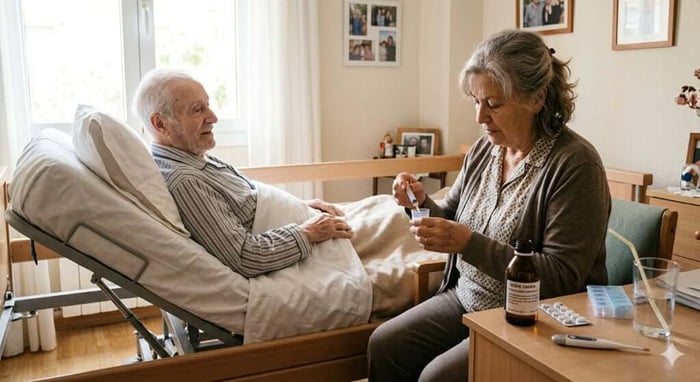

Arriving back home after surgery is often the final step of a scary medical journey. It’s also frequently the beginning of a sometimes long and arduous recovery phase. For older adults in particular, the transition from hospital to home can be challenging. Healing doesn’t happen overnight, and without the structured support of a medical setting, caregivers play a central role in ensuring a safe and steady recovery.
The scale of post-surgical care needs is significant. According to an article in the National Library of Medicine, between 40 and 50 million surgical procedures are performed each year in the United States. As many as 15% of these patients will have serious post-operative morbidity and up to 4% will die. This is what makes surgery scary and the recovery process critical.
A caregiver’s role in the convalescence period tries to balance the need to encourage independence and movement with the responsibility to prevent setbacks such as infection, falls, or delayed healing. This guide explores the key aspects of post-surgery recovery at home, offering practical strategies to support healing while maintaining comfort and safety.
Understanding the Recovery Process
Post surgery recovery depends on the type of procedure, the patient’s overall health, and the level of care provided at home. While some people may regain strength relatively quickly, others may require weeks or even months to return to their normal routine.
In the early stages, the body focuses on healing tissue, fighting inflammation, and restoring function. Fatigue is common, and even simple tasks may feel more demanding than usual. There will also be pain and discomfort, though they should gradually dissipate as recovery progresses.
It’s important to understand that recovery is not necessarily a steady progression. There may be good days, but there will be setbacks along the way. Remaining patient on the not-so-good days helps create a supportive environment that encourages steady improvement.
Preparing the Home Environment
A safe and well-organized environment can make a significant difference in recovery. Before your patient returns home, it is worth taking time to make a few practical adjustments.
Clear clutter and ensure pathways are unobstructed to reduce the risk of falls. Removing loose rugs, securing cables, and ensuring adequate lighting can help create a safer space. Frequently used items should be placed within easy reach to minimize unnecessary movement.
In some cases, it may be helpful to set up a temporary living space on one level of the home, especially if stairs present a challenge. A comfortable chair with good support, along with a nearby table for medications and personal items, can serve as a central recovery area.
Small changes like these often go a long way in preventing accidents and reducing physical strain.
Managing Pain and Medications
Pain management is a key component of recovery. While some discomfort is expected, it should be controlled well enough to allow for rest and gentle activity.
Medications are often prescribed to manage pain and prevent complications such as infection. Following the prescribed schedule is important, as missed doses or incorrect timing can affect both comfort and recovery outcomes.
Using a dosage management device, such as a simple, inexpensive pillbox, can help caregivers stay organized and prevent missed doses or overmedication. This is particularly useful when multiple prescriptions are involved. It is also important to watch for side effects, such as dizziness or nausea, and report any concerns to a healthcare provider.
Over time, as healing progresses, the need for pain medication may decrease. Any adjustments should be made in line with professional medical guidance.
Wound Care and Infection Prevention
Proper wound care is essential to avoid complications. Surgical sites should be kept clean and monitored regularly for signs of infection. Look out for redness, swelling, unusual discharge, or an increase in pain around the incision area. A fever may also indicate infection and should be addressed promptly.
Following the care instructions provided at discharge is critical. This may include changing dressings, keeping the area dry, or avoiding certain movements. Maintaining good hand hygiene before and after wound care reduces the risk of introducing bacteria.
Even small lapses in care can lead to complications, so consistency is key.
Mobility and Physical Activity
Movement promotes recovery, even if it seems to make no sense at first. Activity helps improve circulation, reduce stiffness, and prevent complications such as blood clots.
The type and intensity of activity will depend on the type of surgery. Short walks and light exercises are commonly encouraged early on. Caregivers should support these efforts while ensuring that movements are safe and within recommended limits.
Assistive devices such as walkers or canes may be necessary, at least temporarily. Providing support during transfers, such as getting in and out of bed or chairs, also helps prevent falls and build confidence.
Balancing rest with activity is essential. Too much inactivity can slow recovery, while overexertion can lead to strain and potential setbacks.
Nutrition and Hydration
Nutrition matters. The body requires proper protein, vitamins, and minerals for effective tissue repair and immune function.
Balanced meals that include lean proteins, fruits, vegetables, and whole grains support recovery. In some cases, smaller, more frequent meals may be easier to manage, particularly if appetite is reduced.
Encourage adequate fluid intake to help maintain circulation, support digestion, and reduce the risk of complications such as constipation, which can be a side effect of certain medications.
Managing Daily Activities
During the recovery period, routine tasks will probably be a bit more strenuous or uncomfortable. Activities such as bathing, dressing, and using the bathroom may need to be modified to accommodate limited mobility or discomfort.
Providing assistance while encouraging independence where possible helps maintain dignity. Simple adaptations, such as using a shower chair or placing frequently used items within reach, can make these tasks more manageable.
Fatigue should also be taken into account. Allowing time for rest between activities prevents overexertion and supports steady progress.
Emotional and Mental Well-Being
Recovery encompasses more than just the physical healing aspect. It can also affect emotional well-being. It is common for individuals to feel frustrated, anxious, or even discouraged during this period.
Maintain open communication. Offering reassurance and acknowledging progress, even small improvements, often significantly boosts morale.
Caregivers should also be mindful of their own well-being, as providing support during recovery can be demanding.
Practical Tips for Caregivers
Routine brings structure to the recovery process. Knowing what to expect each day reduces uncertainty and helps both caregiver and patient stay on track.
Preparation is equally important. Keeping essential supplies organized and within reach saves time and minimizes stress. It also helps to maintain a calm and steady pace, avoiding rushed movements that could lead to discomfort or injury.
Look out for subtle changes in behavior, appetite, or physical condition that could be early warning signs of potential issues. Address concerns promptly to prevent issues escalating and causing further complications.
Helpful Tools and Products
A range of products can support post-surgery recovery at home. Mobility aids such as walkers and canes help improve stability, while grab bars and non-slip mats enhance safety in the bathroom.
Wound care supplies, including dressings and gentle cleansers, are essential for maintaining hygiene and preventing infection. Disposable gloves and wipes can simplify daily care tasks.
Absorbent products, such as underpads and protective garments, may be useful for individuals with limited mobility or temporary incontinence. These products help maintain cleanliness and reduce the risk of skin irritation.
Positioning aids, such as supportive pillows, can improve comfort and help relieve pressure during rest.
Conclusion
Recovering from surgery at home requires patience, attention, and a supportive environment. While the process can sometimes be demanding, careful planning and consistent care can eliminate many of the risks associated with post-surgical recovery.
Having suitable supplies on hand will also help make the ride smoother. Products such as adult diapers, absorbent underpads, and personal hygiene essentials help maintain comfort and cleanliness, while mobility aids and safety equipment reduce the risk of strains or falls.
At LL Medico, we offer a wide range of these and other products that can make a caregiver’s life a little easier when looking after a convalescing patient. If you’d like to know more, give us a call at (855) 422-4556 or email support@llmedico.com. Our assistants would be happy to guide you.
As Ralph Waldo Emerson once said, “The first wealth is health.” Recovery is much like rebuilding after a storm. With steady effort and the right support, each day brings renewed strength, gradually restoring what was once taken for granted.