
When we think of the challenges of aging, common medical conditions like diabetes and cardiovascular disease, or a physical condition like impaired mobility, may come to mind. It’s probably unlikely that we would immediately think of pressure ulcers, or bedsores, as they’re more commonly known. They are, however, a serious, but preventable, problem for many older adults.
Bedsores develop when the flow of blood is restricted due to sustained pressure on a specific area of the skin. This causes skin tissue to break down, and the damage can progress rapidly if it isn’t attended to. Bedsores aren’t just a passing clinical problem. Without proper care and attention, they can create an ongoing health risk.
This is not an insignificant health problem for Americans. According to an Agency for Healthcare Research and Quality article, pressure ulcers affect more than 2.5 million people in the United States each year. A California Department of Social Services guide highlights that many of these cases can be prevented with appropriate care.
Understanding Pressure Ulcers
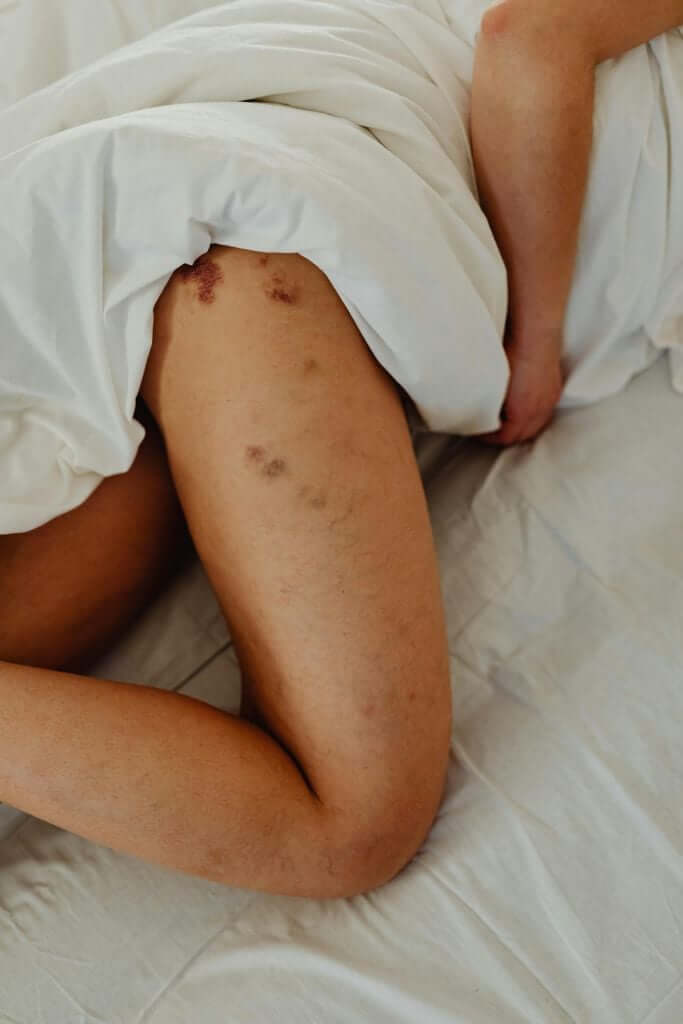
Pressure ulcers form when bony parts of the body squeeze the skin against outside surfaces for extended periods. They most commonly occur in the heels, hips, tailbone, elbows, and shoulder blades. People who spend long periods in bed or seated in a chair are particularly vulnerable. The first signs are usually subtle with mild discoloration or irritation, but open wounds can form if the pressure isn’t relieved.
Clinically, they’re classified into stages depending on severity. In the early stages, they may appear as a reddish spot or a patch of skin that is noticeably warmer than the surrounding area. In later stages, they progress to open breaks in the skin, forming wounds that extend into deeper layers of tissue. The most severe cases may expose muscle and bone, creating a significant risk of infection.
Causes and Risk Factors
While sustained pressure is the primary cause, various other factors can increase the likelihood of developing pressure ulcers or their severity.
Limited mobility is one of the most significant risks. When a person cannot shift their weight independently, pressure builds in specific areas over time. Poor circulation is another culprit. Aging and certain medical conditions can reduce blood flow, making the skin more susceptible to damage.
Moisture can also be a key factor, particularly in individuals with incontinence. Prolonged exposure to moisture weakens the skin and accelerates breakdown. Friction and shear, which occur when a person slides in bed or is repositioned without proper support, can further damage the skin’s surface.
And, the importance of nutrition mustn’t be underestimated. A lack of adequate protein, vitamins, and hydration can impair the skin’s ability to repair itself, increasing both the risk of ulcers and the time required for healing.
Signs and Early Warning Indicators
Detecting the signs of bedsores early on helps caregivers take timely preventive measures before skin breaks and open wounds develop, avoiding potential serious complications. Caregivers for vulnerable people should look out for subtle changes in the skin, especially in high-risk areas.
Look for persistent redness or discoloration that does not fade when pressure is applied. The skin may feel warmer, firmer, or softer than the surrounding tissue. Some individuals report tenderness or discomfort before visible changes appear. In certain cases, small blisters or open areas may develop.
For people with darker skin tones, early signs may appear as areas that are darker or have a different texture rather than visibly red. Regular inspection is essential, particularly during routine activities such as bathing or dressing.
Prevention Strategies
We’re all very familiar with the famous quote, “prevention is better than cure.” Well, integrating a care plan for the prevention of pressure ulcers into normal daily routines can certainly save a lot of the time, discomfort and money involved in a treatment regimen.
Repositioning
Regular movement is one of the most effective preventive measures. Bedridden individuals should be repositioned at least every two hours. Those who spend extended periods in a chair should shift their weight frequently. Simple supports such as pillows or foam wedges can help redistribute pressure and protect vulnerable areas.
Skin Care and Hygiene
Keeping the skin clean and dry is essential. Gentle cleansing routines help remove irritants without damaging the skin. Harsh scrubbing should be avoided, as it can cause micro-injuries. Applying moisture barriers can provide an added layer of protection, particularly in areas exposed to moisture.
Managing Incontinence
Changing soiled incontinence products and clothing promptly prevents prolonged skin contact with moisture and, coupled with thorough cleaning and drying of the skin, can significantly reduce the risk of breakdown. Using absorbent products designed to wick moisture away quickly also reduces skin contact.
Support Surfaces
Specialized mattresses and cushions are designed to distribute weight more evenly and reduce pressure points. These can be particularly valuable for individuals who spend long periods in bed or seated.
Nutrition and Hydration
A balanced diet supports skin integrity and healing. Adequate protein intake helps repair tissue, while proper hydration maintains skin elasticity. Encouraging regular meals and fluid intake is a simple but effective preventive measure.
Treatment and Management
When a pressure ulcer does develop, applying appropriate care as early as possible is will help prevent the condition from progressing.
Cleaning and Protecting the Wound
The affected area should be cleaned gently using appropriate solutions, typically saline or a recommended wound cleanser. Harsh antiseptics are generally avoided unless directed by a healthcare professional. Keeping the wound clean reduces the risk of infection.
Dressing the Ulcer
Dressings help maintain a moist healing environment while protecting the wound from external contaminants. The type of dressing used will depend on the severity and location of the ulcer, and should be selected based on professional guidance.
Reducing Pressure
Relieving pressure on the affected area remains a priority throughout treatment. This often requires strict adherence to repositioning schedules and careful use of supportive devices.
Medical Care
Professional evaluation is important, particularly for more advanced ulcers. Healthcare providers can determine the stage of the wound and recommend appropriate treatment, which may include specialized care or medication if infection is present.
Practical Tips for Caregivers
Consistency is the foundation of effective care. Establishing a daily routine that includes skin checks can help identify problems early. Many caregivers find it helpful to link inspections with existing tasks such as bathing or dressing, which makes the process more manageable.
Keeping supplies organized and within easy reach reduces delays and simplifies daily care. Communication also plays a role. Encouraging the person in your care to speak up about discomfort can help you catch issues before they escalate.
It is equally important to recognize when additional help is needed. If a wound does not improve or appears to worsen, seeking professional advice without delay is the safest course of action.
Helpful Tools and Products
A range of products can support both prevention and treatment. Pressure-relief mattresses and cushions help distribute weight more evenly, reducing stress on vulnerable areas. Absorbent products, including underpads and protective garments, play a key role in keeping the skin dry.
Barrier creams can protect against irritation caused by moisture, while gentle cleansing products simplify hygiene routines without damaging the skin. Positioning aids, such as wedges and supportive pillows, assist with safe and effective repositioning.
Used together, these tools form part of a comprehensive approach that makes daily care more manageable and reduces the likelihood of complications.
Conclusion
Managing pressure ulcers requires attention to detail, patience, and a proactive mindset. While the condition can be serious, it is also one of the most preventable complications in caregiving. Small, consistent actions, carried out day after day, can protect skin integrity and preserve comfort and dignity.
Having access to the right supplies can make this process far more manageable. LL Medico offers a wide range of products designed to support these needs, such as top-quality adult diapers and skin care essentials for preventive care and wound care products for when bedsores penetrate your defenses.
Shipping is free on orders over $49 in the contiguous US and usually takes 1 to 3 working days. The Autoship feature ensures that you never run out of supplies and earns you a 15% discount on your first order. So, call us today at (855) 422-4556 or email support@llmedico.com and let’s tackle those bedsores.
We close with one of Benjamin Franklin’s famous quotes, “An ounce of prevention is worth a pound of cure.” As a caregiver, proactive preventive action can potentially reduce the physical demands and stress of a very tough role, and help maintain the dignity and quality of life of the person you’re caring for.