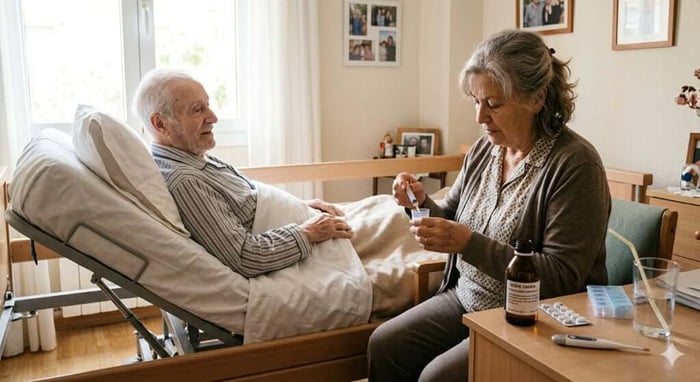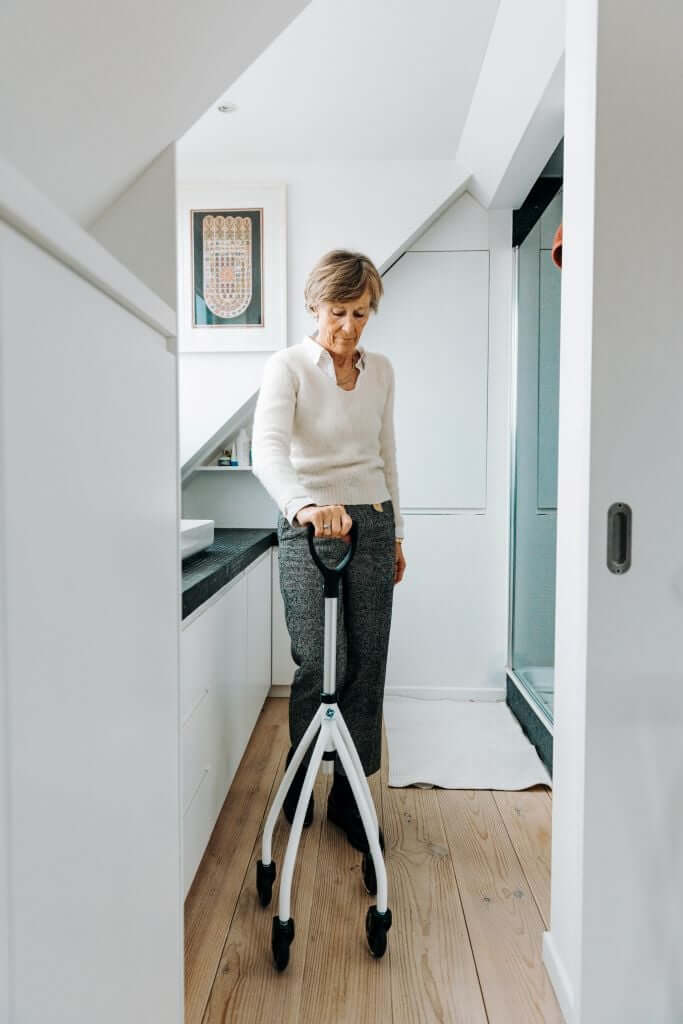

For many older adults, the idea of retirement assumes they will remain in the comfort of their own home for as long as possible. This concept, known as aging in place, has become almost the norm in modern elder care. AARP’s national 2024 Home and Community Preferences Survey reported that approximately 77% of adults aged 50 and older say they want to stay in their current homes as they age.
Unfortunately, most homes were not originally designed with aging in mind. Research cited by the National Community Reinvestment Coalition indicates that fewer than 5% of American homes meet accessibility criteria such as a step-free entryway, wide doorways, and a bedroom and bathroom on the first floor. As mobility changes with age, these limitations can quickly become safety hazards.
For caregivers, aging in place home modifications can dramatically improve safety, independence, and quality of life. The goal is not only to prevent injuries but also to make daily activities easier and less physically demanding.
Why Home Safety Matters
Falls are the leading cause of injury among older adults. According to Centers for Disease Control and Prevention data, one in four Americans aged 65 and older falls each year, resulting in millions of emergency department visits annually.
Many of these accidents occur inside the home. However, studies consistently show that aging in place home modifications, such as grab bars, improved lighting, and secure handrails, can significantly reduce fall risk. Preparing a home properly is, therefore, one of the most effective strategies a caregiver can use to protect a loved one while preserving independence.
Key Areas to Modify in the Home
Bathroom Safety Improvements
The bathrooms is one of the most hazardous areas in the home due to slippery surfaces and tight spaces. For older adults with limited mobility or balance issues, simple bathroom tasks can quickly become dangerous.
Important safety upgrades include:
- Grab bars near the toilet and inside the shower or bathtub
- Non-slip mats or adhesive strips in tubs and showers
- Shower chairs or transfer benches to allow seated bathing
- Raised toilet seats that make sitting and standing easier
- Handheld shower heads for greater control during bathing
For homes undergoing more extensive aging in place home modifications, caregivers may also consider walk-in showers or low-threshold tubs, which eliminate the need to step over a high bathtub wall.
These relatively simple improvements can significantly reduce fall risk while making bathing safer and less strenuous.
Mobility and Accessibility Modifications
As mobility changes, moving around in the home will become more challenging. Narrow doorways, high thresholds, and steep stairs can quickly become obstacles that turn daily activities into an ordeal.
Structural improvements that support aging in place may include:
- Widening doorways to accommodate walkers or wheelchairs
- Installing ramps at entrances instead of steps
- Adding stair lifts in multi-story homes
- Installing sturdy handrails on both sides of staircases
- Replacing round doorknobs with lever-style handles that are easier to grip
Accessibility also includes making sure everyday items are easy to reach. Frequently used kitchen items, clothing, and household supplies should be stored at a comfortable height between the waist and the shoulder to minimize bending or climbing.
Improving Lighting Throughout the Home
As vision deteriorates with age, we require more light to see clearly, particularly indoors where light tends to be dimmer.
Simple improvements include:
- Installing brighter overhead lighting in living spaces
- Adding night lights in hallways, bedrooms, and bathrooms
- Using motion-activated lighting for nighttime bathroom trips
- Improving illumination on stairs and entryways
Better lighting can significantly reduce nighttime falls, which are common when older adults move through dark areas. Note, though, that harsh lighting can also be risky due to the glare it can produce.
Decluttering and Removing Hazards
Some of the most effective safety improvements cost little or nothing.
Common household hazards include:
- Loose throw rugs
- Electrical cords stretched across walkways
- Cluttered hallways or narrow walking paths
- Slippery floors
Removing rugs, securing cords, and keeping pathways clear can immediately reduce the risk of tripping. Decluttering also makes the home easier to navigate for people using canes, walkers, or wheelchairs.
Kitchen Safety and Accessibility
The kitchen can present several challenges for older adults, especially when reaching high shelves or handling heavy cookware.
Helpful modifications include:
- Pull-out shelves or drawer systems for easier access
- Lower storage areas for frequently used items
- Easy-grip faucet handles
- Improved task lighting over counters and cooking areas
Some caregivers also choose to install automatic stove shut-off devices or use voice-activated smart assistants to control lighting and appliances.
Bedroom Adjustments
A bedroom should provide both comfort and safe nighttime mobility.
Important considerations include:
- Maintaining an unobstructed path to the bathroom
- Installing bedside lamps or motion-activated lights
- Ensuring the bed height allows easy sitting and standing
- Keeping a phone or emergency alert device within reach
Whenever possible, the home should be arranged so essential living areas—including a bedroom and bathroom—are located on the same floor, reducing the need to climb stairs.
Smart Technology for Aging in Place
Modern technology is playing an increasingly important role in helping older adults remain independent.
Examples include:
- Medical alert systems with fall detection
- Smart doorbells and cameras for security
- Motion sensors that monitor activity patterns
- Voice-activated assistants for controlling lights and appliances
For caregivers who live far away, these tools can provide reassurance and allow a quick response if something goes wrong.
Financial Assistance and Support Programs
Home modifications can be expensive. Larger projects, such as bathroom remodels or accessibility upgrades, may cost thousands of dollars. Fortunately, several organizations and government programs help older adults cover these costs.
Government Housing Programs
Programs associated with the U.S. Department of Housing and Urban Development may provide grants or low-interest loans for accessibility improvements through local housing agencies. These programs often prioritize seniors with limited incomes.
The Weatherization Assistance Program
The Weatherization Assistance Program, administered by the U.S. Department of Energy, helps low-income households improve the safety and efficiency of their homes.
Although the program focuses on energy efficiency, it may fund improvements such as:
- Insulation upgrades
- Heating system repairs
- Sealing windows and doors
- Ventilation improvements
These changes can improve comfort and indoor safety while reducing energy costs.
Community Volunteer Organizations
Nonprofit groups such as Habitat for Humanity and Rebuilding Together often organize volunteer programs that provide home repairs and accessibility modifications for older adults.
Services may include:
- Wheelchair ramp installation
- Grab bar installation
- Minor structural repairs
- Home safety upgrades
Eligibility requirements vary by location, but these programs can be an excellent resource for seniors with limited financial means.
Eldercare Locator
The Eldercare Locator, operated by the Administration for Community Living, helps connect older adults and caregivers with local services.
Through this nationwide referral network, families can find:
- Local home repair programs
- Aging-in-place resources
- Caregiver support services
- Transportation programs
Because many assistance programs operate locally, the Eldercare Locator is often the best place to start when searching for help.
Home Modification Resource Centers
Websites such as HomeMods.org provide educational materials and planning tools for aging-in-place modifications.
The site offers:
- Home safety checklists
- Accessibility design ideas
- Funding resource guides
- Information for caregivers and contractors
Although it does not provide direct funding, it serves as a valuable planning resource for families considering home modifications.
Planning Ahead Makes All the Difference
Making aging in place home modifications isn’t simply about installing equipment or knocking out a wall or two. It’s about creating an environment that supports independence, safety, and dignity.
Many improvements, such as grab bars, better lighting, and decluttering, are relatively simple and inexpensive. Others, like widening doorways or remodeling bathrooms, may require more planning but will provide lasting benefits.
At LL Medico, our focus is mostly on consumable senior care products such as adult diapers and urology products. We do, however, also stock home and bath safety products such as grab bars, raised toilet seats, and the like. For more information, call us at (855) 422-4556 or email support@llmedico.com. Our experienced assistants will gladly help.
For caregivers, taking the time to evaluate the home environment today can help prevent injuries tomorrow. With thoughtful preparation and the support of community resources, the home can remain a safe and comfortable place for years to come.
As the renowned architect Frank Lloyd Wright once observed, “The space within becomes the reality of the building.” When caregivers adapt a home for aging in place, they do more than modify a structure; they create a space where loved ones can continue living safely, independently, and with dignity.