
As summer approaches, the days get longer, the sky brightens, and the warmer weather entices us to spend more time outdoors. For older adults, however, rising temperatures can pose serious health risks. One of the most dangerous is heatstroke, a potentially life-threatening condition that occurs when the body loses the ability to regulate its temperature.
According to a Centers for Disease Control and Prevention (CDC) advisory, adults aged 65 and older are more vulnerable to health problems due to extreme heat. Aging bodies do not adjust to sudden temperature changes as efficiently as younger ones, and certain medications or chronic health conditions can further increase the risk.
As a caregiver, it’s important to understand how to prevent heatstroke and what to do if you suspect your loved one is suffering from it. This article discusses how, with thoughtful planning and a few practical habits, you can keep your loved one safe even while active during the hottest summer months.
Understanding Heatstroke
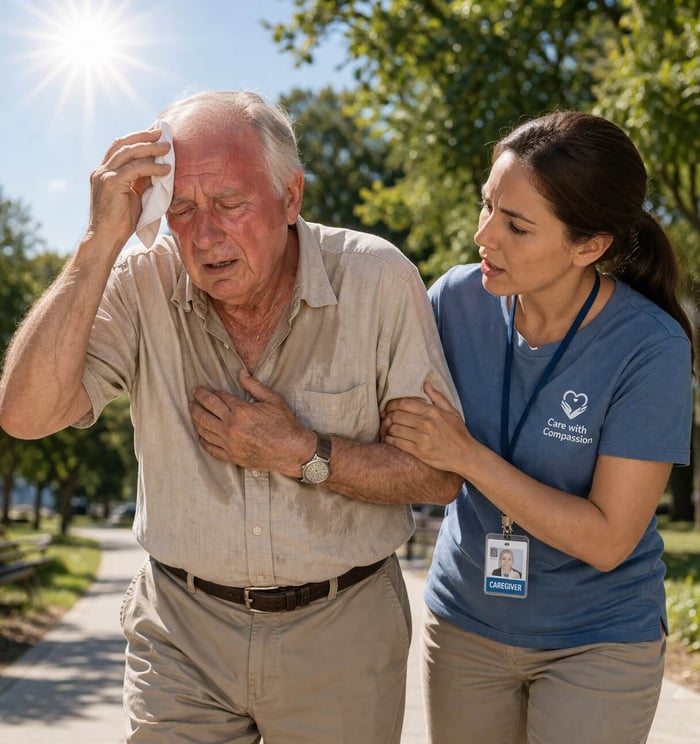
Heatstroke is the most severe form of heat-related illness. It occurs when the body temperature rises to 104°F (40°C) or higher and the body’s cooling mechanisms, such as sweating or vasodilation, stop working effectively.
The condition can develop rapidly, particularly in older adults who may not notice early warning signs.
Common symptoms include:
- High body temperature
- Confusion or disorientation
- Headache or dizziness
- Rapid pulse
- Nausea or vomiting
- Hot, dry skin or heavy sweating
- Loss of consciousness in severe cases
A World Health Organization article emphasizes that heatstroke is a medical emergency with a high-case fatality rate. It further reports that, between the 2000 to 2004 period and the 2017 to 2021 period, heat-related mortality among those over 65 increased by 85%. Immediate cooling and professional medical care are, therefore, absolutely critical.
The best protection, however, as with many health risks, is prevention.
Why Older Adults Are at Higher Risk
Several factors make seniors more vulnerable to heat-related illness.
First, aging bodies regulate temperature less efficiently. Sweat production may decline, circulation can slow, and the body may struggle to release heat effectively.
Second, many older adults live with chronic health conditions such as heart disease or diabetes. Research supported by the National Institutes of Health shows that these conditions can interfere with the body’s ability to cope with high temperatures.
Medications may also play a role. Diuretics, blood pressure medications, and some antidepressants can affect hydration levels or the body’s ability to cool itself.
Finally, seniors sometimes do not feel thirsty even when their bodies need fluids. This makes dehydration, a key contributor to heatstroke, more likely.
For caregivers, understanding these risks is a very important first step toward preventing heatstroke and identifying the warning signs.
Ensure Adequate Hydration
One of the simplest ways to protect an older adult during hot weather is to ensure they drink enough fluids throughout the day. Hydration helps regulate body temperature and supports circulation, both of which are essential during periods of heat.
Encourage your loved one to:
- Drink water regularly, even if they do not feel thirsty
- Keep a water bottle within easy reach
- Consume foods with high water content, such as fruit and vegetables
- Limit alcohol and excessive caffeine, which can contribute to dehydration
Small, consistent intakes of fluids can make a big difference. A glass of water every hour, especially during hotter days, helps maintain proper hydration.
Plan Outdoor Activities Carefully
Warm weather often makes us want to spend more time outside. Walking in the park, gardening, or visiting the beach can be enjoyable and beneficial for physical and mental well-being.
The key is timing.
Schedule outdoor activities earlier in the morning or later in the evening, when temperatures are lower and sunlight is less intense. Midday hours, typically between 10 a.m. and 4 p.m., tend to be the hottest, and you should avoid them whenever possible.
When heading outdoors:
- Choose shaded areas whenever possible
- Bring water and take regular breaks
- Watch for signs of fatigue or overheating
A relaxed pace and shorter outings can help ensure summer activities remain enjoyable rather than exhausting.
Dress for the Weather
Clothing plays an important role in regulating body temperature.
Encourage your loved one to wear:
- Lightweight fabrics
- Loose-fitting clothing
- Light colors that reflect sunlight
- Breathable materials such as cotton
- Wide-brimmed hats and sunglasses to help protect against direct sun exposure.
Any time you spend outdoors will expose you to sunlight and the risk of sunburn. which reduces the skin’s ability to cool itself and increases the risk of heat-related illness. It’s important, therefore to use a sunscreen with a high sun protection factor.
Monitor Medications and Health Conditions
Because certain medications can affect hydration or heat tolerance, you should keep an eye on how your loved one responds to hot weather. If you notice symptoms such as unusual fatigue, dizziness, or confusion during hot days, consult a healthcare professional.
It may also be helpful to review medications with a doctor or pharmacist at the beginning of the summer season to ensure there are no additional heat-related precautions to consider.
Watch for Early Warning Signs
Heatstroke rarely appears entirely without warning. Often, milder heat-related illnesses occur first.
Signs of heat exhaustion, a precursor to heatstroke, may include:
- Heavy sweating
- Weakness or fatigue
- Cool, pale skin
- Nausea
- Muscle cramps
- Lightheadedness
If you notice any of these signs, move the person to a cooler place immediately, give them some water, and allow them to rest. Prompt action at this stage can prevent the situation from becoming more serious.
Create a Simple Summer Safety Plan
Preparation makes hot weather easier to manage.
A basic summer safety plan might include:
- Setting reminders for regular hydration
- Scheduling outdoor activities during cooler hours
- Identifying the coolest areas of the home
- Keeping emergency contact numbers easily available
- Monitoring weather forecasts during heat waves
These simple steps help ensure that you and your loved one are ready to deal with sudden or rapid temperature changes.
A Season to Enjoy Safely
The hotter seasons are a great time to break out of the winter gloom and to reconnect with the outdoors and get more active. For older people, though, this does come with some risk. But, with a little planning and forethought, we can mitigate that risk and enjoy the season’s warmth comfortably and safely.
At LL Medico, we share your enthusiasm for the warmer weather, and we are equally conscious of the risks it may bring for older people. To gear up and be ready for the season, have a look through our website to see what products you can add to your arsenal.
For instance, our nutritional products section has electrolyte solutions for rehydrating after a hot and tiring day out, and, in case of sunburn or minor sprains and aches, our pain relief selection will sort you out. Also, where relevant to your loved one, it’s always a good idea to take along a kit with spare adult diapers, wipes and other incontinence care requisites.
For expert advice on these and other senior care products, call us at (855) 422-4556 or email support@llmedico.com. We have 30 years of experience in this field, and our consultants would be very happy to share that with you. Don’t delay, act today.
Let’s close out with these words from Benjamin Franklin: “An ounce of prevention is worth a pound of cure.” A little planning and taking precautions during the hotter days of the year can make a big difference in helping an older loved one savor the joys and the sunny warmth of summer without worry.