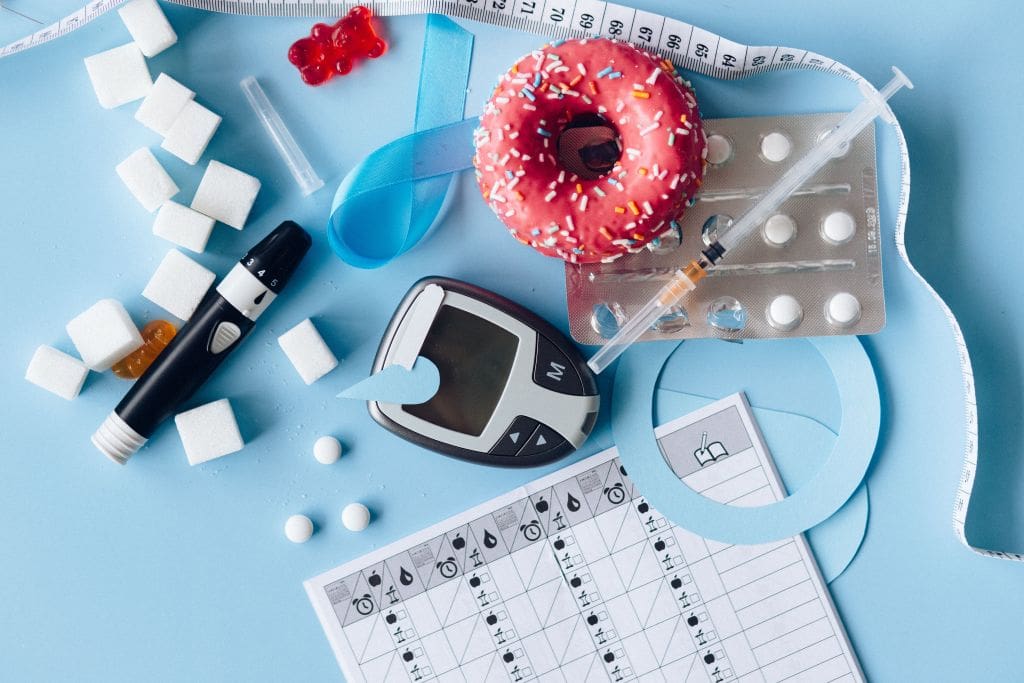

An estimated 40.1 million Americans have diabetes according to the National Diabetes Statistics Report, and a further 1.5 million are newly diagnosed every year. This creates a massive demand for blood glucose testing meters and consumables.
Since blood glucose testing is an integral and critical aspect of diabetes management, glucose meters have a very high accuracy bar. According to a diaTribe report, FDA guidelines require that a blood glucose meter must produce results within 15% of a lab reference value at least 95% of the time, and within 20% at least 99% of the time.
The glucose meters market is also constantly evolving. In March 2024, the FDA cleared the first over-the-counter continuous glucose monitor, the Dexcom Stelo, opening up a category that previously required a prescription, according to a GlobeNewswire report on the CGM market.
Between these two facts sits the real decision most people face today. Should they stick with a familiar fingerstick meter, or is it worth exploring a continuous glucose monitor? And either way, what should guide the choice of the best glucose monitor for any specific situation?
This guide focuses exclusively on the factors that drive the choice of the monitor. If you’re new to diabetes care and need a broader view of testing equipment, consumables, and skin/nutrition support, our article on Choosing Diabetic Supplies deals with that on a more macro level.
Standard Meters vs. Continuous Glucose Monitors
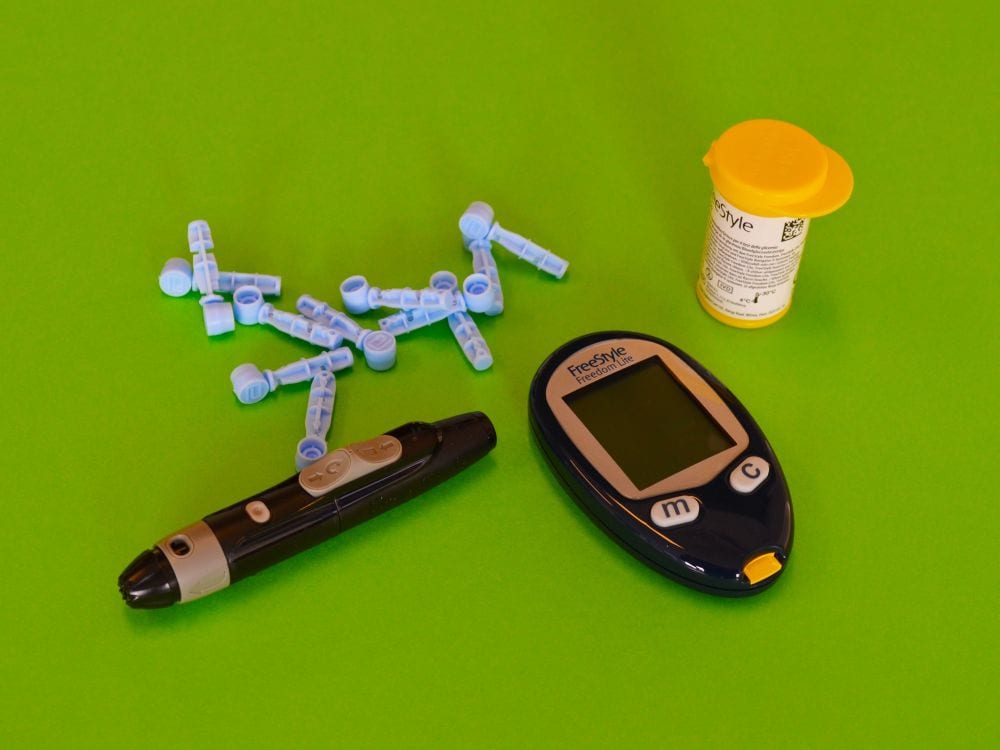
A standard blood glucose meter (BGM) works by reading a small blood sample from a fingerstick, giving a single reading at the moment of the test. It's the more affordable, more established option, and for many people, especially those testing once or twice a day, it does the job adequately.
A continuous glucose monitor (CGM) is a small wearable sensor, usually worn on the arm or abdomen, that tracks glucose levels around the clock and sends readings to a smartphone or receiver. CGMs are particularly useful for people on insulin, for those with frequent blood sugar swings, or for anyone who wants to see patterns and trends rather than isolated snapshots.
They cost significantly more than fingerstick meters, though CGM prescriptions are frequently covered at least partially by insurance or Medicare for people who meet specific criteria, and the newer over-the-counter CGMs have made the category more accessible even without a prescription.
Examples to explore: the Embrace blood glucose meter as a standard fingerstick option, and the Dexcom G6 sensor for continuous monitoring.
Accuracy and What It Actually Means for You
Every meter sold in the U.S. has to meet the FDA accuracy standard described above, but that doesn't mean all meters perform identically in practice. Factors that affect real-world accuracy include how the test strips were stored, whether the meter was calibrated or coded correctly (some older models require manual coding, which is a common source of user error), and even altitude or humidity in some cases. If a reading seems off compared to how someone feels, or compared to a lab test result from a recent doctor's visit, running a control solution check is the fastest way to confirm whether the meter itself is the issue.
ℹ️ Good to Know: Modern meters are increasingly "no-code," meaning they automatically calibrate to each new batch of strips. If coding errors have been a recurring issue, a no-code meter removes that variable entirely.One no-code option to look at is the Prodigy blood glucose meter.
Usability Features That Matter for Older Adults
For seniors testing daily, sometimes multiple times a day, usability differences that might seem minor add up quickly. A large, high-contrast, backlit display makes a real difference for anyone with age-related vision changes. Meters requiring a smaller blood sample and fewer steps reduce the physical demand of each test, which matters for anyone with dexterity limitations from arthritis or tremor.
Audio-readout meters, which speak the result aloud, are worth considering for someone with significant vision impairment. Alternate-site testing, drawing a sample from the palm or forearm instead of a fingertip, can also make daily testing more comfortable for some users, though it's worth confirming with a doctor whether it's appropriate given how quickly certain readings need to reflect current blood sugar.
For a larger display, take a look at the McKesson QUINTET AC meter, and for results spoken aloud, the EmbraceTalk no-code talking meter.
Multi-User Memory and Caregiver Access
If you're managing testing for more than one person, or simply want to review results without hovering over every test, look for meters with multi-user memory profiles and companion apps that sync results to a phone. Many modern meters store weeks or months of readings and calculate rolling averages (commonly 7, 14, and 30-day trends), which makes it far easier to spot patterns worth flagging at the next doctor's visit than trying to recall individual numbers from memory.
The Embrace Wave meter is one to consider if a companion app is on your list.
The Real Cost Structure
Meters themselves are frequently inexpensive, sometimes even given away for free or at a steep discount, because the actual profit and ongoing cost sit in the strips. This is worth understanding before choosing a meter based on the sticker price alone. A slightly pricier meter with cheaper, widely available strips can easily cost less over a year than a free meter locked into an expensive proprietary strip. Before committing, it's worth checking strip pricing for a specific meter model and confirming whether it's covered under insurance, Medicare, or FSA/HSA funds, since coverage terms can differ meaningfully even between similar-looking meters.
⏱️ Timing Matters: If your loved one is due for a Medicare wellness visit or insurance renewal soon, it's worth timing a new meter purchase around that window. Coverage details and preferred brands under a plan can change year to year.If you'd like a meter and strips together, the GlucoCard Vital meter is a good place to start.
Conclusion
Choosing the best glucose monitor for your unique situation isn't just about picking the newest or most expensive option. It's about matching the device to how someone actually tests, sees, and handles it day to day. Taking the time to get this one decision right tends to make every test afterward just a little bit easier, which matters when it's happening multiple times a day, every day.
At LL Medico, our Blood Glucose Meters collection is built with exactly these decision points in mind, from large-display and no-code models to CGM-compatible options, with clear FSA/HSA eligibility noted on every listing. Good glucose management reaches beyond the meter, which is why we also offer diabetic-friendly nutritional supplements, and for families whose care routine includes incontinence, our adult diapers can go in the same order. Since you’ll probably be restocking strips and other supplies regularly once you've settled on a meter, our Autoship program takes 15% off your first order and 5% off every order after, and purchases over $49 ship free anywhere in the lower 48.
If you need any advice on which meter fits your specific situation, you can reach out to LL Medico at (855) 422-4556 or email support@llmedico.com, and our team will be glad to help you sort through the options.
As inventor Charles Kettering once said, "A problem well stated is a problem half solved." Getting clear on what actually matters for your testing routine, before comparing a single product, tends to make the rest of this decision come together quickly.
FAQs
Is a continuous glucose monitor more accurate than a standard fingerstick meter?
Not necessarily more accurate in a lab sense, since both are held to similar accuracy standards, but CGMs offer continuous data rather than single-point readings, which is valuable for spotting trends a fingerstick test alone would miss.
Do I need a prescription for a CGM?
It depends on the model. Some CGMs still require a prescription, particularly those intended for people on insulin, while newer over-the-counter CGMs cleared by the FDA don't require one, though they're generally intended for people not using insulin.
How do I know if my meter is giving an accurate reading?
Running a control solution test, available for most meters, checks the meter and strips against a known reference value and is the most reliable way to confirm accuracy at home.
What does "no-code" mean on a glucose meter?
It means the meter automatically calibrates to each new batch of test strips without requiring the user to manually enter a code, which removes a common source of user error.
Can I use strips from a different brand with my meter?
No, strips are generally only compatible with their matching meter brand, so it's worth confirming strip availability and pricing for a specific meter model before purchasing.
Are glucose meters covered by Medicare?
Medicare Part B typically covers blood glucose monitors and related supplies for people with diagnosed diabetes, though specific coverage and quantity limits can vary, so it's worth checking current terms directly.
What's the benefit of alternate-site testing?
It allows blood samples to be drawn from the palm or forearm instead of a fingertip, which some people find more comfortable, though it's worth confirming with a doctor whether it's appropriate for a specific testing situation.
Should I choose a meter based on price alone?
Not usually a good idea, since the meter's upfront cost is often much less significant than the ongoing cost of strips, which is where most of the actual spending happens over time.