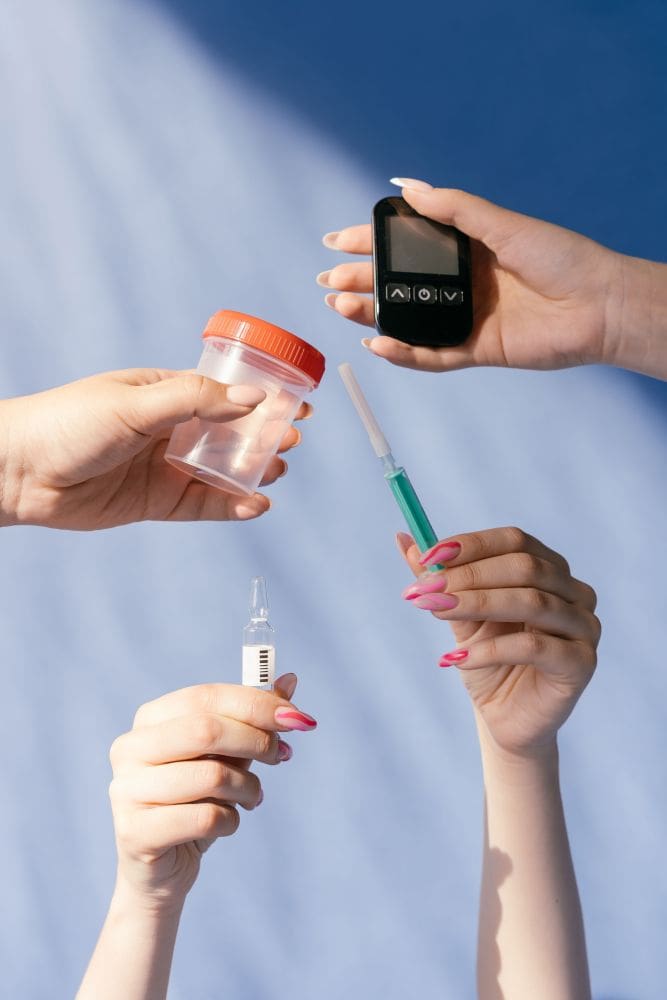

Effective diabetes management depends as much on choosing diabetic supplies correctly as it does on following a rigorous treatment plan, and the supply side of diabetes care carries real financial weight. A 2022 American Diabetes Association study found that glucose-lowering medications and diabetes supplies together account for roughly 17% of the total direct medical costs attributable to diabetes.
Zoom out further, and overall diabetes care for diagnosed cases now accounts for one of every four health care dollars spent in the U.S., according to the same ADA report. For a caregiver looking after someone with diabetes, or someone living with it, getting these purchases right - not just buying something, but buying the right something - is essential for both health outcomes and for the household budget.
In this guide, we will discuss the practical aspects of what supplies you will typically need and how you should go about making choices. In the months ahead, we plan to publish a series of dedicated guides on the major product categories such as blood glucose meters, test strips, lancets, and control solution, and diabetic skin care and nutrition products.
Alternatively, if you're new to diabetes care and looking for broader caregiving guidance relating specifically to Type II diabetes, including nutrition, exercise, medication management, and the caregiver's role, our Caregiver Guide to Type II Diabetes covers that ground.
The Three Categories of Diabetic Supplies
Most day-to-day diabetes management supplies fall into a few distinct categories, each with its own considerations.
Testing equipment. The blood glucose meter. This is usually a one-time or occasional purchase, but it's a decision that shapes every purchase after it, since strips are typically only compatible with their matching meter brand. Getting this choice right matters more than you may initially have thought, especially for older adults who'll be using the device daily, sometimes multiple times a day.
Testing consumables. Test strips, lancets, and control solution. These are the ongoing, recurring costs of diabetes management, and where most of the actual spending happens over time. These wear out a household's testing budget fast if not bought thoughtfully, which is exactly why they're worth their own dedicated buying guide.
Skin care and nutrition support. Often the most overlooked category, this includes barrier creams and moisture-protectant products formulated for skin that's more vulnerable to breakdown and slower to heal, plus diabetic-friendly nutrition items like sugar-free treats and specialized supplement shakes.
FSA/HSA/Medicare Eligibility
One detail worth flagging up front: diabetic supplies are frequently FSA/HSA eligible. You may or may not need a prescription or Letter of Medical Necessity, depending on the specific product. This distinction isn't always obvious from a product listing alone, so it's worth checking eligibility requirements before assuming a purchase will qualify. An unexpected requirement for paperwork can delay getting your supplies when you need them, or it can result in an unnecessary cost.
It's also worth knowing that Medicare Part B covers blood glucose monitors, test strips, lancets, and control solution for people with diagnosed diabetes, whether or not insulin is part of their treatment, though quantity limits typically apply, and those limits are lower for people who don't use insulin. If your loved one is on Medicare, checking current coverage limits before stocking up in bulk can save an unwelcome surprise at checkout.
ℹ️ Good to Know:Eligibility rules can differ even between very similar products. One brand of barrier cream might require a prescription while another doesn't. When in doubt, check the product listing directly or confirm with your specific health plan rather than assuming eligibility based on a similar item.Buying for Someone Else vs. Buying for Yourself
If you're a caregiver choosing diabetic supplies on behalf of a parent or loved one rather than for your own use, a few things are worth double-checking that might not occur to someone shopping only for themselves:
- whether the meter's display is large and easy to read for someone with vision changes
- whether the lancing device requires fine dexterity that may be difficult with arthritis or tremors
- whether test results can be shared with you directly (many modern meters and apps support this) so you can help monitor patterns without needing to have sight of every test.
🛒 Product Tip: If you or your loved one is testing multiple times a day, a meter with a larger memory and averaging feature (7/14/30-day trends) makes it much easier to spot patterns worth discussing at the next doctor's visit, rather than relying on recording or remembering individual readings.Storage and Travel Considerations
Test strips and control solution are more sensitive to their environment than most people expect. Extreme heat, cold, or humidity will all affect accuracy, with potentially very serious consequences. Keep them at room temperature where possible, and avoid leaving a testing kit in a parked car for any length of time.
When traveling, lancets and lancing devices are generally allowed in carry-on luggage under TSA guidelines, but it's worth packing a doctor's note or prescription label just in case, along with a few extra days' supply beyond what the trip requires.
Conclusion
Choosing diabetic supplies correctly is more than just a quick shopping trip; it's a vital element of the daily infrastructure that makes managing this condition sustainable, whether that management is your own or a loved one's. Getting familiar with what's currently available in the marketplace, and what best fits your situation, tends to pay off in fewer surprises and less friction down the line.
At LL Medico, our Diabetic Supplies collection covers testing equipment, consumables, and skin/nutrition support in one place, with clear FSA/HSA eligibility noted on every listing. Of course, if you’re a caregiver for an older loved one, you might also be interested in our other care supplies, including adult diapers, mobility devices, and much more. And, if you're restocking the same supplies regularly, our Autoship program takes 15% off your first order 5% off every one after that.
If you have questions about which meter, strips, or supplies are right for your situation, reach out to LL Medico at (855) 422-4556 or email support@llmedico.com. Our experienced team would be glad to help you sort through the options.
As Benjamin Franklin is credited with saying, "An ounce of prevention is worth a pound of cure." Keeping the right supplies consistently on hand is a small, unglamorous form of prevention, but one of the most effective ones available.
FAQs
Do I need a prescription to buy diabetic testing supplies?
It depends on the specific product — many meters, strips, and lancets don't require a prescription, but some diabetic skin care or nutrition items may need a doctor's Rx or Letter of Medical Necessity for FSA/HSA purchase specifically, even though they can be bought without one otherwise.
Can I use test strips from a different brand than my meter?
By default, no — test strips are generally only compatible with their matching meter brand, so it's important to confirm your meter model before ordering strips.
How often should test strips and control solution be replaced?
Both have expiration dates and are sensitive to heat, humidity, and light, so check dates regularly and store them as directed rather than assuming an open box stays accurate indefinitely.
Are diabetic supplies typically covered by insurance?
Many are, though coverage varies significantly by plan — FSA/HSA eligibility is a separate question from insurance coverage, and it's worth checking both if cost is a concern.
What should I look for in a meter for an older adult?
A large, easy-to-read display, minimal steps to get a result, and — if relevant — the ability to share readings with a caregiver's app or account are all worth prioritizing over more advanced features that may add complexity without adding value.
Is it worth buying diabetic-specific skin care products, or are regular moisturizers fine?
Diabetic-specific formulas are often designed with extra moisture retention and are free of fragrances or ingredients that can irritate skin that's already more prone to breakdown and slower to heal. For skin showing any signs of dryness or irritation, the diabetic-specific option is generally the safer choice, albeit possibly a little more expensive.
How do I know if a diabetic-friendly treat is actually appropriate for someone's diet?
"Sugar-free" doesn't automatically mean appropriate for every diabetic diet — some products still affect blood sugar through other ingredients, so it's worth confirming with a doctor or dietitian rather than assuming based on labeling alone.
Where can I find more detailed guidance on managing Type II diabetes day to day?
Our companion Caregiver Guide to Type II Diabetes covers nutrition, exercise, medication management, and the broader caregiving picture in depth — this guide focuses specifically on choosing supplies.