
Type II diabetes is one of the fastest-growing chronic health conditions in the United States, affecting millions of adults and placing them at increased risk of serious complications such as heart disease, stroke, kidney disease, vision loss, and nerve damage. While it can develop at any age, the condition becomes increasingly common in older adults, making it an important concern for caregivers and families alike.
According to 2023 data in the National Diabetes Statistics Report, an estimated 40.1 million Americans have diabetes, and approximately 90% to 95% of these cases are Type II diabetes. Even more concerning, an estimated 115.2 million U.S. adults have prediabetes, and more than 80% are unaware they have it, missing a valuable opportunity to delay or even prevent the disease through lifestyle changes. The report also mentions that prediabetes among over 65s is a staggering 52.1%, over and above 28.8% with diagnosed diabetes, as reported by the American Diabetes Association.
The good news is that Type II diabetes is often preventable and, when diagnosed early, can usually be managed very successfully. Many people are even able to achieve remission through sustained weight loss, healthier eating habits, regular physical activity, and appropriate medical care. For caregivers, understanding the condition is one of the most valuable ways to support a loved one living with diabetes.
Understanding Type II Diabetes
Type II diabetes develops when the body either becomes resistant to insulin or the pancreas can no longer produce enough insulin to keep blood glucose within a healthy range. Insulin acts like a key, allowing glucose from the bloodstream to enter the body's cells where it is used for energy. When this process no longer works efficiently, glucose remains in the bloodstream, causing blood sugar levels to rise.
Unlike Type I diabetes, which is an autoimmune condition, Type II diabetes usually develops gradually over many years. Many people have few noticeable symptoms during the early stages, allowing damage to occur silently before the condition is diagnosed.
Persistently high blood sugar can damage blood vessels and nerves throughout the body. Over time, this increases the risk of several serious complications, including:
- Cardiovascular disease, including heart attack and stroke.
- Peripheral neuropathy, causing numbness, tingling, burning pain, or loss of sensation in the hands and feet.
- Diabetic retinopathy, cataracts, and glaucoma, which may lead to partial or complete vision loss.
- Chronic kidney disease that may eventually require dialysis or kidney transplantation.
- Poor wound healing, particularly affecting the feet and lower legs.
- Increased susceptibility to infections because elevated blood glucose can impair the immune system.
Many of these complications develop slowly and may not cause symptoms until significant damage has already occurred. This is why early diagnosis and consistent management are so important.
Who Is Most at Risk?
Although anyone can develop Type II diabetes, certain factors substantially increase the risk.
Age
Risk increases steadily with age. According to the CDC, adults aged 65 years and older are far more likely to develop Type II diabetes than younger adults, partly because insulin sensitivity naturally declines as we age.
Excess Body Weight
Carrying excess body fat, particularly around the abdomen, is one of the strongest risk factors. Extra fat tissue can interfere with the body's ability to use insulin effectively, resulting in insulin resistance.
Physical Inactivity
Regular movement helps muscles use glucose efficiently. A sedentary lifestyle reduces this effect, allowing blood sugar levels to remain elevated for longer periods.
Family History
Having a parent or sibling with Type II diabetes increases the likelihood of developing the condition. Genetics certainly play a role, but so do eating habits, physical activity levels, and other lifestyle factors.
Other Medical Conditions
High blood pressure, elevated cholesterol, heart disease, polycystic ovary syndrome (PCOS), previous gestational diabetes, and prediabetes all increase the risk of progressing to Type II diabetes.
Fortunately, while we cannot change our age or genetics, many of the other risk factors can be improved through healthy lifestyle choices and regular medical care.
Recognizing the Signs and Symptoms
One of the biggest challenges with Type II diabetes is that it often develops gradually. Many people experience mild symptoms for months, or even years, before receiving a diagnosis. Others dismiss the early warning signs as simply "getting older" or being tired from a busy lifestyle.
Recognizing these symptoms early allows treatment to begin sooner, reducing the risk of long-term complications.
Common symptoms include:
- Persistent thirst that doesn't improve with drinking fluids.
- Frequent urination, particularly during the night.
- Increased hunger despite eating regular meals.
- Unexplained weight loss.
- Fatigue and lack of energy.
- Blurred vision that comes and goes.
- Slow-healing cuts, sores, or bruises.
- Frequent skin, urinary tract, or yeast infections.
- Tingling, numbness, or burning sensations in the hands or feet.
- Darkened patches of skin, particularly around the neck, armpits, or groin, which may indicate insulin resistance.
Many people experience several of these symptoms at the same time. If you notice any combination of these warning signs, arrange a medical evaluation rather than waiting for symptoms to worsen.
Prevention Is Better Than Treatment
Although there is currently no cure for Type II diabetes, it is one of the few chronic diseases where lifestyle changes can dramatically reduce the risk of developing the condition. For those already diagnosed, these same healthy habits often improve blood sugar control and may even lead to remission in some individuals.
As a caregiver, you have a unique opportunity to encourage and support these positive changes without making your loved one feel as though they are "on a diet" or being constantly monitored. Small, sustainable improvements are usually far more successful than dramatic lifestyle changes that are difficult to maintain.
Healthy Eating Habits
Nutrition is one of the cornerstones of both preventing and managing Type II diabetes. Rather than focusing on restrictive diets, most healthcare professionals recommend developing healthy eating patterns that can be maintained for life.
Aim to include plenty of:
- Non-starchy vegetables such as spinach, broccoli, peppers, tomatoes, and leafy greens.
- Whole grains in appropriate portions.
- Beans, lentils, and other legumes.
- Lean proteins including fish, poultry, eggs, and plant-based proteins.
- Healthy fats from foods such as nuts, seeds, avocados, and olive oil.
Try to limit foods that cause rapid spikes in blood glucose, including:
- Sugar-sweetened beverages.
- Candy and desserts.
- Highly processed snack foods.
- Refined carbohydrates such as white bread, pastries, and sugary breakfast cereals.
Portion control is also very important. Using smaller plates, measuring serving sizes, and balancing meals with protein, fiber, and healthy fats can help reduce sudden increases in blood sugar after eating.
Planning meals in advance is another good strategy as it can reduce reliance on convenience foods and make healthy choices easier on busy days.
The Importance of Regular Physical Activity
Exercise remains one of the most effective ways to improve insulin sensitivity. When muscles are active, they use glucose more efficiently, helping lower blood sugar levels naturally. Current recommendations suggest aiming for at least 150 minutes of moderate-intensity physical activity each week, together with muscle-strengthening activities on two or more days where appropriate.
Being physically active doesn't necessarily require joining a gym. Many enjoyable activities provide significant benefits, including:
- Brisk walking.
- Swimming.
- Cycling.
- Gardening.
- Dancing.
- Chair-based exercises.
- Resistance band exercises.
- Light weight training.
For older adults, it’s also important to maintain balance and flexibility. Activities such as tai chi and gentle yoga can reduce fall risk while improving overall mobility.
As a caregiver, consider making physical activity something you do together. Walking after dinner, visiting local parks, or attending community exercise programs can improve motivation while providing valuable social interaction.
Before beginning any new exercise program, especially for someone with heart disease, neuropathy, or mobility limitations, seek advice from their healthcare provider to ensure activities are appropriate and safe.
Maintaining a Healthy Weight
Excess body weight, particularly around the abdomen, is one of the strongest risk factors for developing Type II diabetes. It also makes blood glucose more difficult to control because excess fat tissue contributes to insulin resistance.
The encouraging news is that even modest weight loss can make a meaningful difference. Research has shown that losing just 5% to 10% of body weight can improve insulin sensitivity, lower blood sugar levels, reduce blood pressure, and improve cholesterol levels. For some people, sustained weight loss, combined with healthy lifestyle changes, may even lead to remission of Type II diabetes under medical supervision.
Rather than focusing on rapid weight loss, caregivers should encourage realistic, long-term changes such as:
- Eating balanced meals at regular times.
- Reducing portion sizes gradually.
- Choosing water instead of sweetened drinks.
- Limiting highly processed foods.
- Increasing daily physical activity.
Supporting healthy habits as a household rather than singling out one individual often leads to better long-term results and makes lifestyle changes feel less restrictive.
Monitoring Blood Glucose
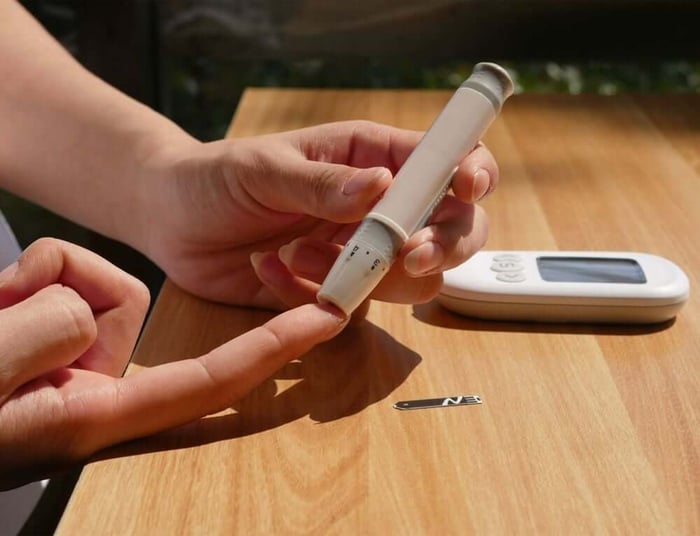
Monitoring blood glucose is a key aspect of diabetes management. Regular testing helps identify patterns, evaluate how meals and activities affect blood sugar, and determine whether medications are working effectively.
Many people still use traditional blood glucose meters, which require a small finger-prick blood sample. These devices are most people’s first choice because they’re accurate, affordable, and widely used.
Increasingly, however, people with diabetes are benefiting from Continuous Glucose Monitoring (CGM) systems. These small wearable sensors are attached to the skin and automatically measure glucose levels throughout the day and night. Instead of providing occasional readings, CGMs allow users and healthcare providers to see trends over time and receive alerts when glucose levels are rising or falling too quickly.
For caregivers, this additional information can provide reassurance and help identify patterns that may otherwise go unnoticed, such as overnight low blood sugar or spikes after certain meals.
Regardless of which monitoring method is used, encourage your loved one to:
- Record readings if recommended by their healthcare provider.
- Understand their target blood glucose range.
- Recognize symptoms of both high and low blood sugar.
- Report unusual or persistent changes to their healthcare team.
Monitoring is not simply about collecting numbers. It provides valuable information to guide treatment decisions and support better long-term diabetes control.
Managing Medications Safely
Many people with Type II diabetes require medication to help control their blood glucose. Treatment varies from person to person and may include oral medications, injectable therapies, insulin, or a combination of these.
For older adults who often manage several chronic conditions, medication schedules can become complicated. Missing doses, taking medications at the wrong time, or accidentally doubling a dose can affect blood glucose control and increase the risk of complications.
Caregivers can help by:
- Using weekly pill organizers.
- Setting reminders on phones or smart devices.
- Keeping an up-to-date medication list.
- Attending medical appointments when appropriate.
- Watching for side effects or signs that medications may need adjusting.
Never stop or change diabetes medications without first consulting a healthcare professional, even if blood sugar readings appear to improve. Medication needs often change over time and should be reviewed regularly.
Understanding Hypoglycemia
Although high blood sugar receives most of the attention, low blood sugar (hypoglycemia) can also become dangerous, particularly for people taking insulin or certain diabetes medications.
Early warning signs include:
- Shakiness or trembling.
- Sweating.
- Sudden hunger.
- Dizziness.
- Headache.
- Irritability or confusion.
- Difficulty concentrating.
If left untreated, severe hypoglycemia may lead to seizures, unconsciousness, or loss of coordination, increasing the risk of serious falls and injuries.
Caregivers should know how their loved one's healthcare provider recommends treating low blood sugar, which often involves consuming a fast-acting source of glucose such as glucose tablets, fruit juice, or regular (non-diet) soda, followed by a longer-acting carbohydrate if appropriate.
Being familiar with these symptoms and responding quickly can prevent a minor episode from becoming a medical emergency.
Looking After Foot Health
One of the most serious complications of Type II diabetes is damage to the nerves and blood vessels in the feet. Reduced sensation, known as peripheral neuropathy, means that cuts, blisters, or pressure sores may go unnoticed. At the same time, poor circulation can slow healing, increasing the risk of infection and, in severe cases, amputation.
For caregivers, regular foot care should become part of the daily routine, particularly if your loved one has reduced mobility or difficulty inspecting their own feet.
Check the feet each day for:
- Cuts, blisters, or sores.
- Redness or swelling.
- Cracked or dry skin.
- Changes in skin color.
- Ingrown toenails or fungal infections.
- Areas of unusual warmth or tenderness.
Encourage your loved one to wash their feet daily using warm, not hot, water, and dry them thoroughly, especially between the toes. Applying moisturizer can help prevent cracked skin, although cream should not be applied between the toes where excess moisture can encourage fungal infections.
Proper footwear is equally important. Shoes should fit comfortably without rubbing, and socks should be clean, dry, and free from tight elastic bands that may restrict circulation.
Never ignore even a minor foot injury. A small blister or cut can quickly develop into a serious infection in someone with diabetes.
Managing Stress and Emotional Well-being
Living with Type II diabetes can be emotionally demanding. Managing medications, monitoring blood glucose, making dietary changes, and worrying about long-term complications can all contribute to stress, anxiety, or depression.
Unfortunately, stress itself can also affect blood sugar levels. During periods of emotional stress, the body releases hormones such as cortisol and adrenaline, which can cause blood glucose to rise.
As a caregiver, supporting emotional well-being is just as important as helping manage physical health.
Simple ways to reduce stress include:
- Encouraging regular social interaction.
- Maintaining enjoyable hobbies.
- Practicing relaxation techniques such as deep breathing or mindfulness.
- Spending time outdoors.
- Listening without judgment when your loved one wants to talk.
- Encouraging participation in diabetes education or support groups.
Remember that caregivers are also at risk of stress and burnout. Looking after your own physical and emotional health enables you to provide better support over the long term.
Regular Medical Reviews Matter
Successful diabetes management involves much more than controlling blood sugar. Regular healthcare appointments help detect complications before they become serious and allow treatment plans to be adjusted as health needs change.
Routine care should include:
- HbA1c testing to assess long-term blood glucose control.
- Blood pressure monitoring.
- Cholesterol checks.
- Kidney function tests.
- Comprehensive eye examinations.
- Annual foot examinations.
- Medication reviews.
- Recommended vaccinations, including influenza and pneumococcal vaccines where appropriate.
Encourage your loved one to keep scheduled appointments even when they are feeling well. Diabetes-related complications often develop silently, and routine screening allows problems to be identified early when treatment is usually most effective.
The Caregiver's Role
Caring for someone with Type II diabetes extends well beyond reminding them to take medication. Caregivers often become partners in helping their loved one build healthier routines while providing encouragement during setbacks.
You can make a significant difference by:
- Preparing nutritious meals together.
- Encouraging regular physical activity.
- Helping monitor blood glucose when appropriate.
- Supporting medication adherence.
- Watching for early signs of complications.
- Accompanying your loved one to medical appointments.
- Celebrating progress, no matter how small.
Perhaps most importantly, remember that managing diabetes is a lifelong journey. There will be good days and more challenging ones. Offering patience, understanding, and consistent support can have just as much impact as any medication.
-
Good intentions don't always translate into helpful actions, and it's worth being aware of a few habits that can quietly undermine an otherwise supportive caregiving relationship.
Don't nag or criticize. Slip-ups happen — a skipped walk, a dessert that wasn't part of the plan. Treating these as moments to problem-solve together, rather than as failures to point out, keeps the relationship collaborative instead of adversarial.
Don't take over. It can be tempting to manage every detail of someone's diabetes care, especially when you're worried about their health. But stepping in too far can erode the independence that's so important to their overall wellbeing. Offer support where it's genuinely needed, and let your loved one continue to lead their own day-to-day routine wherever possible.
Don't expect the impossible. Building new habits and managing a chronic condition is a gradual process, not a single decision made once and finished. Progress usually comes in small, uneven steps rather than a straight line, and that's normal.
Don't dismiss their concerns. Frustration, fear, or fatigue around living with diabetes are real and worth acknowledging, not brushing past. Listening without rushing to fix or minimize what they're feeling goes a long way toward making sure they don't feel like they're managing this alone.
Conclusion
Type II diabetes is a complex condition, but it does not have to define a person's future. With early diagnosis, healthy lifestyle choices, appropriate medical care, and the support of informed caregivers, many people continue to lead active, independent, and fulfilling lives for many years.
As a caregiver, your role extends beyond helping manage blood sugar. You provide encouragement, help establish healthy routines, recognise potential problems early, and offer the emotional support that makes long-term diabetes management more achievable. Every healthy meal prepared, every walk taken together, every medical appointment attended, and every small success celebrated contributes to better health and a higher quality of life.
LL Medico is committed to supporting caregivers with trusted information and a wide range of products designed to help people living with diabetes maintain their comfort, dignity, mobility, and independence. We have 30 years of experience in the senior care products market, and we have used this knowledge to source a vast range of best-brand products.
Whether you’re looking for diabetes care supplies, skincare and personal hygiene products or even adult diapers, we’re confident we can cover all your specific needs. For more information, give us a call at (855) 422-4556 or email support@llmedico.com. Our experienced assistants will gladly assist.
We conclude with the wise words of physician Sir William Osler, "The good physician treats the disease; the great physician treats the patient who has the disease." For caregivers, that sentiment serves as a valuable reminder. While managing diabetes is important, caring for the whole person, their health, confidence, independence, and emotional well-being, is what truly makes the greatest difference.