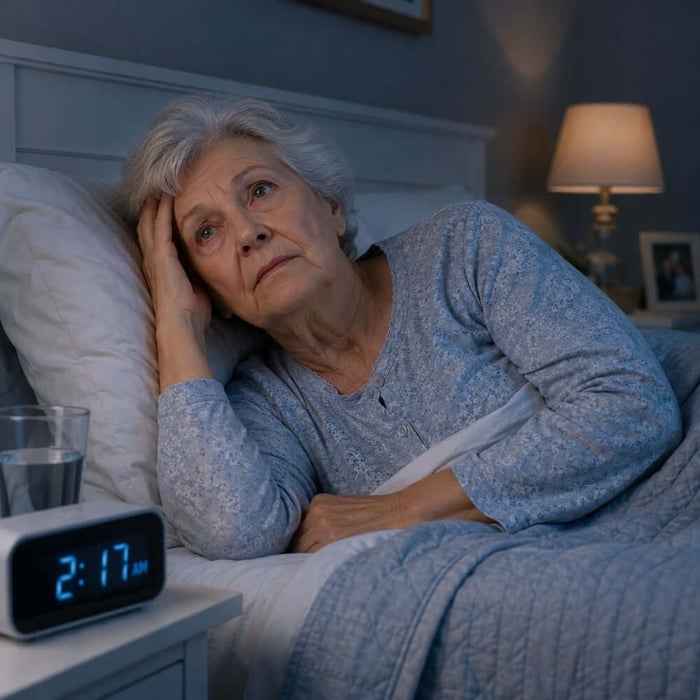

Have you noticed that, as you get older, the duration and quality of your sleep are changing? More often than not, insomnia manifests as a gradual deterioration. It starts taking longer to fall asleep and you might wake up any number of times during the night. Some days, you might find yourself wide awake in the small hours despite going to bed exhausted. On other days, you feel sleepy throughout the day yet struggle to get truly restorative rest that night.
These changes are extremely common, especially among older people, according to this National Institute on Aging article. Sadly, the changes aren’t always harmless, nor are they inevitable. At the same time, the Centers for Disease Control and Prevention reports that insufficient sleep is associated with a higher risk of problems such as type 2 diabetes, heart disease and hypertension, to name a few.
The encouraging news is that while sleep may change with age, poor sleep should not simply be accepted as “part of getting older.” Understanding why these changes happen is often the first step toward improving them.
Why Sleep Changes as We Age
The Body’s Internal Clock Shifts
One reason older adults often wake earlier is that the body’s circadian rhythm naturally changes over time. The internal clock that regulates sleep and wakefulness becomes less responsive with age. As a result, many people feel sleepy earlier in the evening and wake earlier in the morning, even if they would prefer to sleep longer. This is why some older adults find themselves nodding off in a chair at 8:30 p.m. and then waking fully alert at 4:30 a.m.
Deep Sleep Becomes Lighter
Sleep is not one uniform state. The body cycles through several stages, including deep restorative sleep. As people age, the amount of time spent in deep sleep often decreases. Sleep becomes lighter and easier to interrupt, which means noises, discomfort, stress, or the need to use the bathroom can wake someone more easily than before.
Health Conditions Begin to Interfere
Sleep changes are not caused by aging alone. Chronic health conditions frequently play a major role. Conditions that commonly disrupt sleep include:
- Arthritis and chronic pain
- Diabetes
- Acid reflux
- Heart disease
- Parkinson’s disease
- Dementia
- Sleep apnea
- Restless legs syndrome
Often, several of these issues overlap.
Medications Can Affect Sleep Too
Many older adults take several medications daily, some of which may interfere with sleep quality.
Common culprits can include:
- Blood pressure medications
- Steroids
- Antidepressants
- Decongestants
- Diuretics that increase nighttime urination
Even medications that cause drowsiness may reduce sleep quality rather than improve it.
The Emotional Side of Sleep Changes
Anxiety Becomes Louder at Night
Worries often feel heavier in the quiet hours. Concerns about health, finances, loneliness, caregiving responsibilities, or the future can become magnified once the house is dark and distractions disappear. Sleep problems and anxiety often reinforce one another. The more someone worries about sleep, the harder sleep becomes.
Loneliness and Grief Can Affect Sleep
For older adults living alone, nighttime can feel especially isolating. The loss of a spouse or long-established routine may profoundly affect sleep habits. Some people sleep poorly simply because the emotional structure of life has changed. These experiences are deeply human, and far more common than many families realize.
Common Sleep Problems in Older Adults
Insomnia
Insomnia involves difficulty falling asleep, staying asleep, or waking too early and being unable to return to sleep. This is one of the most common sleep complaints among older adults.
Sleep Apnea
Sleep apnea causes repeated pauses in breathing during sleep.
Signs include:
- Loud snoring
- Gasping during sleep
- Morning headaches
- Excessive daytime fatigue
Because it disrupts oxygen levels and sleep quality, untreated sleep apnea can increase risks for heart problems, cognitive decline, and falls.
Restless Legs Syndrome
This condition creates uncomfortable sensations in the legs along with a strong urge to move them, particularly at night. People often describe it as tingling, crawling, or buzzing feelings deep in the legs.
Why Good Sleep Matters More Than Ever
Sleep Affects Balance and Fall Risk
Poor sleep can reduce coordination, slow reaction time, and worsen dizziness or confusion. For older adults already managing mobility issues, this can significantly increase fall risk.
Memory and Cognitive Function Depend on Sleep
The brain uses sleep to process information and consolidate memories. Persistent sleep disruption may worsen concentration and memory problems, particularly in people already coping with mild cognitive impairment or dementia.
The Immune System Needs Rest
The body performs much of its repair work during sleep. Poor sleep may affect immune response, healing, and overall resilience.
What Actually Helps
Keep a Consistent Schedule
One of the most effective sleep strategies is also one of the simplest: going to bed and waking up at the same time every day. Consistency helps regulate the body’s internal clock.
Reduce Evening Stimulation
Bright screens, heavy meals, caffeine late in the day, and stressful television content can all interfere with winding down. Creating a calmer evening routine helps more than people expect.
Get More Daylight and Movement
Natural light exposure helps regulate circadian rhythm. Even modest daily activity such as walking, gardening, or light stretching may improve sleep quality.
Be Careful With Napping
Short naps can be refreshing. Long afternoon naps can make nighttime sleep harder. For many people, limiting naps to 20–30 minutes earlier in the day helps maintain better nighttime rest.
Make the Bedroom More Sleep-Friendly
Small environmental changes can matter:
- Cooler room temperatures
- Softer lighting
- Lower noise levels
- Comfortable bedding
- Limiting television in bed
The goal is to help the brain associate the bedroom with rest rather than stimulation.
When to See a Doctor
Sleep problems should not simply be dismissed as “old age.” Medical evaluation is important when someone experiences:
- Disruptively loud snoring or pauses in breathing
- Persistent insomnia
- Excessive daytime sleepiness
- Sudden sleep changes
- Sleep-related confusion or wandering
- Frequent nighttime falls
Sometimes improving sleep begins with treating an underlying condition.
Conclusion
Sleep changes with age, but chronic exhaustion, constant interruptions, and poor-quality rest should not simply be accepted without question. Many sleep problems can be improved through consistent routines, healthier sleep habits, proper medical care, and small practical adjustments around the home.
Sometimes the biggest difference comes not from dramatic interventions, but from paying closer attention to what the body has been quietly struggling to say.
At LL Medico, we understand that restful sleep affects nearly every aspect of health, comfort, and caregiving. From adult diapers and other incontinence products that support overnight protection to mobility aids and personal care essentials, we strive to help families create safer, calmer, and more comfortable nighttime routines.
For added convenience, our Autoship feature ensures you receive your supplies regularly so you don’t run out at an awkward time. What’s more, shipping is free within the lower 48 states on orders over $49. So, don’t hesitate; call us today at (855) 422-4556 or email support@llmedico.com. Our helpful assistants will gladly help you choose the best options for your needs.
In the words of the Dalai Lama, “Sleep is the best meditation.” When we improve the quality of sleep, even just a little, we restore the energy and mental clarity we need to face the day ahead.
FAQs
Is poor sleep just a normal part of getting older?
No. Although sleep patterns commonly change with age, persistent insomnia, constant nighttime interruptions, and poor-quality sleep should not simply be accepted as inevitable. Underlying health conditions, medications, emotional factors, and sleep disorders can all contribute, and some problems can be improved with appropriate care and changes to sleep habits.
Why do I wake up so often during the night?
Lighter sleep can make older adults more easily disturbed by noise, discomfort, stress, or the need to use the bathroom. Health conditions and medications can also contribute to nighttime waking.
Can medications cause sleep problems?
Yes. The article identifies several types of medication that may interfere with sleep, including some blood pressure medications, steroids, antidepressants, decongestants, and diuretics. Even medications that cause drowsiness may not necessarily improve sleep quality.
Are naps bad for older adults?
Not necessarily. Short naps can be refreshing, but long afternoon naps may make it harder to sleep at night. The article suggests that, for many people, keeping naps to around 20 to 30 minutes earlier in the day may be helpful.
Can exercise help older adults sleep better?
Regular daytime movement may improve sleep quality. The article specifically mentions activities such as walking, gardening, and light stretching, while also noting that natural daylight exposure can help regulate the body's internal clock.
When should an older adult see a doctor about sleep problems?
Medical evaluation is important when sleep problems are persistent or accompanied by disruptively loud snoring or pauses in breathing, excessive daytime sleepiness, sudden changes in sleep, sleep-related confusion or wandering, or frequent nighttime falls.
Can poor sleep increase the risk of falls?
Poor sleep can affect coordination, reaction time, dizziness, and confusion. For an older adult who already has mobility difficulties, these effects may increase the risk of falling.