
Incontinence now affects almost 100 million Americans, according to recent National Association for Continence data. For many, it’s a minor inconvenience, but for some, it has a significant impact on their quality of life. Alongside that, recurrent infections are usually treated as a separate medical problem.
For many older adults, however, these two conditions are closely connected, creating a frustrating cycle that can affect health, independence and dignity.
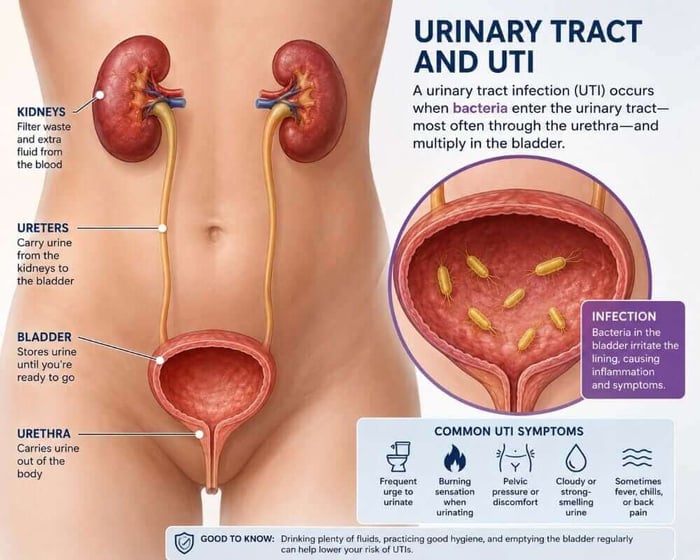
Urinary tract infections (UTIs) are among the most common infections affecting older adults. According to a Centers for Disease Control and Prevention (CDC) article, UTIs occur when bacteria enter the urinary tract, most often from bacteria normally found on the skin or around the rectal area. While anyone can develop a UTI, the risk increases with age and certain underlying health conditions.
Healthcare organizations that specialize in older adult care recognize incontinence as an important risk factor for infection because prolonged contact with moisture and bacteria can increase opportunities for contamination of the urinary tract.
For seniors and caregivers, this relationship can become particularly challenging. Incontinence may contribute to infections, while infections can worsen incontinence symptoms. The result is a compounded conundrum in which each condition fuels the other, making both harder to manage.
Understanding this relationship is essential for breaking the cycle and protecting overall health.
Understanding Incontinence
Urinary incontinence takes several forms, varying greatly in severity from person to person. For instance, some people experience only minor, occasional leaks when coughing, sneezing, or exercising. Others contend with sudden, intense urges to urinate that are difficult to control, while some face a complete loss of bladder control.
Recognizing these distinct experiences is essential to truly understanding the condition. While the physical symptoms are obvious, the consequences often extend much further. Many seniors experience embarrassment and reduced confidence, which may lead to anxiety about leaving home and even social withdrawal.
What is often overlooked, however, is how closely incontinence can be linked to infection risk.
Understanding Recurrent Infections
Most people will deal with an infection from time to time and recover without much trouble. Recurrent infections are a different matter altogether because they have a habit of returning, often just when it seems the problem has been resolved.
In older adults, urinary tract infections are the most common example. A single UTI can usually be treated effectively, but when they keep coming back, the pattern becomes more concerning. Each new infection chips away at the person’s strength, confidence, and overall health.
What makes this especially difficult is that older adults often do not show the classic symptoms people expect. Instead of obvious pain or burning during urination, an infection might first appear as unusual fatigue, increased confusion, reduced appetite, or even a sudden loss of mobility. It can look less like an infection and more like “something just isn’t right.”
That ambiguity is one of the reasons recurrent infections can become so disruptive. They often dig themselves in before anyone realizes what is happening.
How Incontinence Increases Infection Risk
The connection between incontinence and infection often begins with prolonged exposure to moisture. Urine and fecal matter naturally contain bacteria and, when skin remains exposed to moisture for extended periods, the bacteria have a greater chance of spreading to nearby areas.
The urinary tract is particularly vulnerable because bacteria can enter through the urethra and travel into the bladder, causing infection. The CDC notes that most UTIs occur when bacteria from the skin or rectal area enter the urinary tract.
This does not mean incontinence automatically causes infections. However, it can increase the risk when combined with factors such as limited mobility, difficulty performing personal hygiene routines, delaying absorbent product changes or cognitive impairment.
The more of these factors that are present, the greater the opportunity for infections to develop.
How Infections Can Worsen Incontinence
This relationship often works both ways. Infections themselves can aggravate bladder symptoms.
A urinary tract infection often irritates the bladder lining, making it more sensitive and reactive, leading to stronger urges, more frequent bathroom trips, and a greater likelihood of leakage. For someone who usually manages mild or moderate incontinence fairly well, this can feel like a sudden deterioration.
Caregivers may assume the condition is worsening, but it’s the infection driving a temporary change. Once the infection clears, bladder function often settles back down. The problem is when infections become frequent enough that this pattern keeps repeating. That is when the cycle becomes exhausting for everyone involved.
The Impact on Skin Health
When thinking about infections, UTIs probably come to mind first for most people. Skin infections, however, deserve more attention, especially among older adults.
Healthy skin acts as a protective barrier. Constant exposure to moisture weakens that barrier, making it more fragile and vulnerable. Over time, this can lead to redness, irritation, soreness, and even open wounds.
Once the skin breaks down, bacteria have another route into the body. This can create secondary infections, increase discomfort, and make personal care more painful. For someone already dealing with incontinence, this adds another layer of distress.
It’s one more reason why regular cleansing and skin protection are so important. These small habits may seem routine, but they can prevent much larger problems.
Why Older Adults Face Greater Risks
Aging itself does not directly cause infections. However, several age-related changes can increase susceptibility, including:
- Reduced immune function
- Decreased mobility
- Incomplete bladder emptying
- Postmenopausal hormonal changes
- Chronic health conditions
- Increased need for catheterization
- Cognitive impairment
Research has also identified urinary incontinence itself as a significant risk factor for recurrent urinary tract infections in older adults. When several of these factors occur together, infection risk rises substantially.
The Emotional Toll
Both incontinence and recurrent infections can take an emotional toll. Many older adults feel frustrated when infections repeatedly interrupt their lives. They may begin worrying about:
- Odor
- Accidents
- Public embarrassment
- Loss of independence
- Hospital visits
Caregivers often feel frustrated too. Just when a routine seems to be working, another infection appears and disrupts everything.
The emotional strain can become almost as challenging as the physical symptoms.
Practical Strategies for Prevention
To prevent recurrent infections, you often have to deal with several factors simultaneously. Good hygiene remains one of the most important preventive steps. This includes:
- Prompt changing of absorbent products
- Thorough but gentle cleansing
- Proper wiping techniques
- Regular skin inspections
- Adequate hydration.
Ironically, some individuals reduce fluid intake because they fear leakage. Unfortunately, concentrated urine and reduced urination can sometimes increase infection risk. Maintaining healthy bathroom habits and encouraging regular voiding can also be helpful.
Product Selection Matters
Not all absorbent products are created equal. Products that fit properly and effectively wick moisture away from the skin help support comfort and skin health. For individuals with heavier levels of incontinence, choosing products designed for the appropriate absorbency level can reduce prolonged exposure to moisture and minimize leakage episodes.
While no product can eliminate infection risk entirely, appropriate protection can play an important role within a broader care plan.
When to Seek Medical Attention
Because older adults often display atypical symptoms, caregivers should remain alert for changes such as:
- Increased confusion
- Sudden weakness
- Increased falls
- Unusual fatigue
- New or worsening incontinence
- Behavioral changes
These symptoms do not automatically indicate a UTI, but they should prompt further evaluation by a healthcare professional. Early treatment can often prevent more serious complications.
Conclusion
Incontinence and recurrent infections are often treated as separate problems, but in reality they frequently influence one another, forming a cycle that affects physical health, emotional well-being, independence, and quality of life. The encouraging news is that this cycle can be disrupted.
Good hygiene practices, appropriate continence products, adequate hydration, vigilant monitoring, and timely medical care can all help reduce risk and improve outcomes. While neither condition is always completely preventable, proactive management can make a meaningful difference.
At LL Medico, we understand how overlapping health challenges can complicate everyday life for seniors and caregivers alike. From high-quality adult diapers and skin care products to wound care solutions and other essential caregiving supplies, we strive to help families manage these challenges with greater confidence, comfort, and dignity.
Furthermore, shipping is free within the continental US on orders over $49 and takes between one and three days. For added convenience, our Autoship feature ensures you never run out of supplies. If you’d like to know more about our product range, give us a call at (855) 422-4556 or email support@llmedico.com. Our experienced team is always eager to assist.
As Benjamin Franklin once said, “An ounce of prevention is worth a pound of cure.” When it comes to incontinence and recurrent infections, a few consistent preventive habits today can help avoid far greater challenges tomorrow.