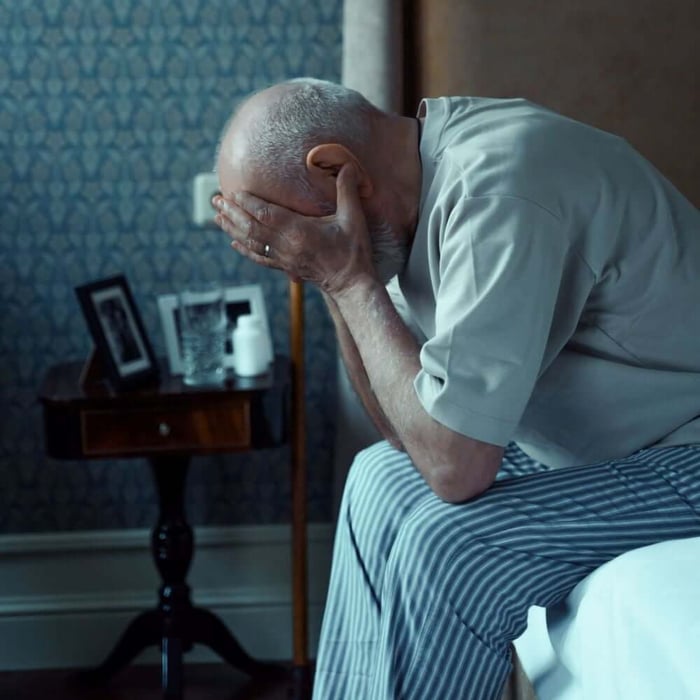

Most people would think of chronic pain as a physical problem and depression as an emotional one. In reality, however, the two are often deeply intertwined, particularly among older adults. Chronic pain can gradually erode independence, disrupt sleep, limit social activities, and make everyday tasks feel exhausting. Depression can sap motivation, amplify discomfort, reduce physical activity, and make it harder to manage existing health conditions. When chronic pain and depression occur together, though, they can create a cycle that becomes increasingly difficult to break.
The numbers tell an important story. According to Centers for Disease Control and Prevention (CDC) statistics, 36% of American adults aged 65 and over experience chronic pain, while 13.5% experience high-impact chronic pain, which is where the pain is severe enough to limit life or work activities.
Alongside this, according to a Mental Health America fact sheet, 8.8% of U.S. adults experience major depression, although experts believe the true number may be significantly higher because depression is often underdiagnosed and undertreated. The risk is also higher among older adults due to increasingly complex health challenges and life changes.
For seniors and their caregivers, the overlap between chronic pain and depression can be particularly challenging. One condition often worsens the other, creating a compounded conundrum that affects physical health, emotional well-being, relationships, and quality of life. Understanding this connection is the first step toward managing both more effectively.
Understanding Chronic Pain
Pain serves an important purpose. It alerts us to injury, illness, or potential harm. Most pain improves as the body heals. Chronic pain, however, is different. Generally speaking, chronic pain persists for months or even years, often continuing long after the original injury or condition has stabilized.
For older adults, common causes include:
- Osteoarthritis
- Rheumatoid arthritis
- Neuropathy
- Back and neck disorders
- Previous injuries
- Cancer-related pain
- Circulatory disorders
Unlike acute pain, chronic pain often becomes part of daily life. Unfortunately, that does not mean people become accustomed to it. Living with pain day after day can gradually affect nearly every aspect of a person's physical and emotional well-being.
Understanding Depression in Older Adults
Depression is one of the most misunderstood health conditions affecting older adults. Many people assume depression simply means sadness. In reality, it presents in many different ways.
Symptoms may include:
- Persistent low mood
- Loss of interest in activities
- Fatigue
- Sleep disturbances
- Difficulty concentrating
- Feelings of hopelessness
- Changes in appetite
- Increased irritability
Older adults are particularly vulnerable to depression because they often face multiple life changes simultaneously. Retirement, chronic illness, reduced mobility, bereavement, financial concerns, and social isolation can all contribute.
The Two-Way Relationship Between Pain and Depression
There is, without doubt, a clear connection between pain and depression. Imagine waking every morning knowing a day of discomfort lies ahead. Daily activities you took for granted have now become ordeals. Over time, this may lead to a feeling of loss of freedom and independence. Loss of the lifestyle you once enjoyed.
These losses can gradually contribute to depression.
On the flip side, you may be surprised to know that this relationship works both ways. Depression doesn’t only result from pain. It can actually make pain feel worse. According to a Medscape Medical News article, functional magnetic resonance imaging (fMRI) has shown that depression can affect how the brain processes pain signals.
People experiencing depression often report:
- Increased pain sensitivity
- Greater pain intensity
- Reduced pain tolerance
- More widespread discomfort
In other words, depression can amplify the experience of pain itself.
This creates a difficult cycle where pain contributes to depression, depression magnifies pain, the increased pain deepens depression. And so the cycle continues.
The Impact on Daily Life
One of the most difficult aspects of this compounded conundrum is its effect on independence. Pain discourages movement, and reduced movement causes muscle weakness and deconditioning.
As physical abilities decline, confidence diminishes, and activities that once provided purpose and enjoyment gradually disappear.
The emotional consequences can be profound. Many older adults begin feeling as though their world is becoming smaller.
Social Isolation Sets In
Chronic pain often encourages withdrawal. Social interaction becomes exhausting. Getting there in the first place is uncomfortable, and then an ordeal of standing, walking, or sitting for extended periods. It’s just too much sometimes.
As participation decreases, loneliness begins to develop. Depression can deepen the isolation by reducing motivation and interest in social engagement.
Loved ones may misinterpret this withdrawal as disinterest. In reality, however, the individual may desperately want connection, but just feels physically or emotionally unable to pursue it.
Treatment Requires a Broader View
When chronic pain and depression overlap, effective management usually involves multiple approaches.
Treatment may include:
- Appropriate pain management strategies
- Physical therapy
- Regular physical activity
- Counseling or psychotherapy
- Medication when appropriate
- Sleep therapy
- Social engagement
- Stress management techniques
The goal is not necessarily the total elimination of pain, but to improve function, quality of life, and emotional well-being despite ongoing health challenges.
Movement Often Helps
When people are in pain, the natural instinct is to rest. While rest has its place, prolonged inactivity can sometimes worsen both pain and depression.
Gentle movement helps maintain:
- Strength
- Flexibility
- Balance
- Circulation
- Mood
This does not mean running marathons or pushing through severe discomfort. Even modest activity, such as walking, stretching, water exercise, or chair-based exercise, can provide meaningful benefits.
Conclusion
Chronic pain and depression rarely exist in isolation. Together, they create a complicated and often frustrating relationship that can affect every aspect of a senior's life. One condition fuels the other, creating a cycle that impacts physical health, emotional well-being, independence, and relationships. Recognizing this connection is essential because treating one condition while ignoring the other seldom delivers satisfactory outcomes.
The encouraging news is that this cycle can be interrupted. Through proper medical care, emotional support, physical activity, meaningful social engagement, and practical lifestyle adjustments, many older adults find ways to regain control and improve their quality of life. Progress may be gradual, but it is often possible.
At LL Medico, we understand how chronic conditions can overlap to create challenges that extend far beyond either individual diagnosis. For this reason, we strive to support seniors, loved ones and caregivers in meeting these challenges with confidence and dignity.
While we cannot assist in managing this compounded conundrum, we can help reduce some of the other stressors older adults often have to face. With top-quality senior care products, an Autoship feature, and free shipping on orders over $49, your care supplies should never be a source of worry.
So, to learn more about our range of adult diapers, personal care products, diabetic supplies, and much more, call (855) 422-4556 or email support@llmedico.com. Our team of experienced assistants will be happy to help.
“Although the world is full of suffering, it is also full of the overcoming of it.” Let Helen Keller’s inspirational message be a reminder that, while pain and depression may shape part of the journey, they do not have to define the destination.