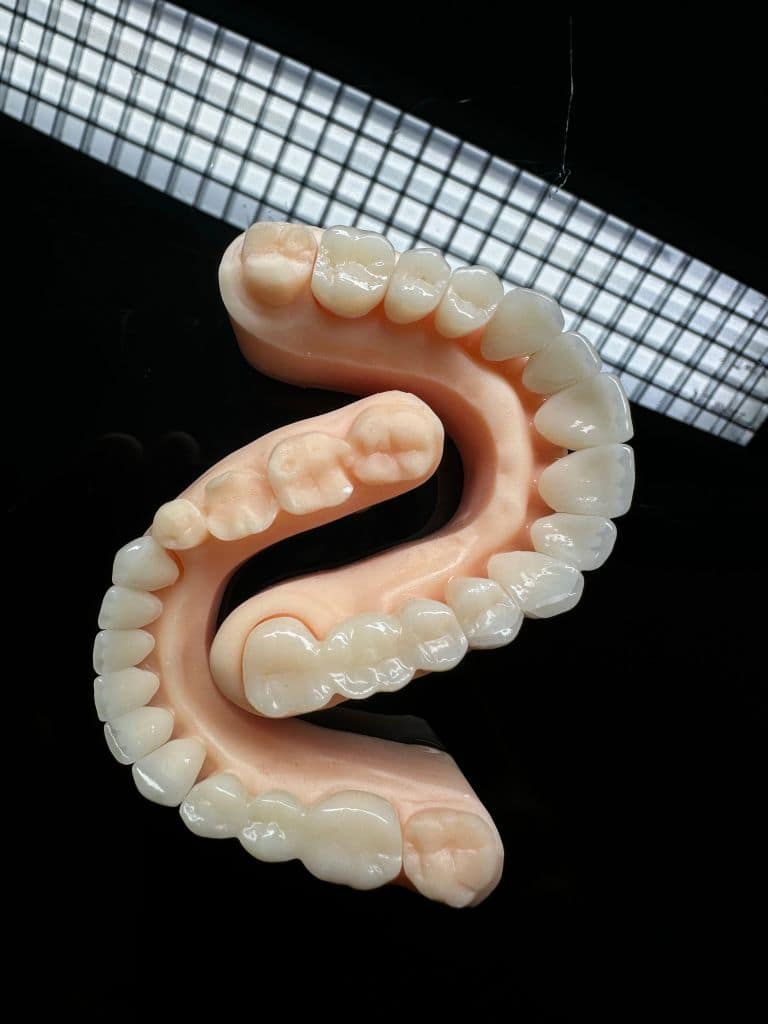

Dentures are one of the most common ways to replace missing teeth, and yet denture care is one of the most overlooked daily care routines. According to the American College of Prosthodontists, more than 36 million Americans have no teeth at all, and 120 million are missing at least one. Most of those with no teeth wear dentures, so a very large number of people, and the family members who help them, handle a removable appliance every single day.
How that appliance is looked after matters far more than most people would think . In a 2021 study in the International Journal of Dentistry, various reviews were analyzed and the prevalence of denture stomatitis, an inflammation of the tissue under the denture, varied between 20% and 67% of denture users. Other studies also found that wearing dentures overnight significantly increased the risk.
The encouraging part is that most denture problems come down to routine, and a good routine involves not only consistency but also having the right products within reach. This guide covers what to buy, how to use it, and when a visit to a prosthodontist is a better answer than another tube of adhesive.
Building a Daily Cleaning Routine
Dentures collect food, plaque and bacteria just like natural teeth do, and the acrylic surface is slightly porous, so buildup settles in quickly. A simple routine keeps it under control. Rinse the dentures under cool running water after meals to wash away loose food. Once a day, brush every surface with a soft denture brush and a cleanser made for dentures. At night, take them out and let them soak.
The brush deserves a little thought. Denture brushes have a wider head and bristles of two different lengths, which makes it easier to reach the curved inner surface and the grooves around the teeth. A regular soft toothbrush works in a pinch, but avoid anything labeled medium or hard. Regular toothpaste is also a poor choice for the dentures themselves. It is more abrasive than it looks, and the tiny scratches it leaves behind give bacteria and stains a place to hold on.
⚠️ Important: Do not use hot or boiling water, as this can warp the denture. And do not soak dentures in bleach unless a dentist tells you to. Bleach can fade the pink gum-colored material and corrode the metal clasps on partial dentures. When in doubt, follow the directions on the cleanser you bought.Overnight is when the soak does its work. Taking dentures out gives the gum tissue a chance to rest and recover, and a soak in plain water or a denture cleansing solution loosens whatever the brush missed. Rinse them well before they go back in, because cleanser left on the surface can irritate the mouth. While the dentures are out, gently clean the gums, tongue and roof of the mouth with a soft toothbrush or a damp piece of gauze. People with partial dentures should pay extra attention to the clasps and the natural teeth they grip.
If you are helping someone else, a few small habits prevent a lot of heartache. Clean the dentures over a sink lined with a folded towel or partly filled with water, so a slip does not end in a crack. Keep a lidded denture cup in an obvious spot, because dentures wrapped in a tissue have a way of ending up in the trash. And if the person is in a hospital or care facility, label the cup and the dentures themselves, since lost dentures are expensive and hard to replace quickly. For someone with dementia, it often helps to keep the routine at the same time and place every day and to narrate each step in a calm voice.
Choosing a Denture Adhesive
Adhesive is not a requirement for everyone, but many wearers like the extra confidence it gives when eating, laughing or speaking. The three main forms each suit a different person.
Creams are the most popular. They give a strong, long-lasting hold and are easy to apply in thin lines, though they can ooze at the edges if you use too much and take a little more effort to clean off. Powders are lighter and tend to feel less bulky, which some people prefer, and they work well on dentures that already fit fairly closely. They do need a dampened denture to activate, and they can be harder to apply evenly if your hands are unsteady. Adhesive strips or pads come pre-cut, which takes the guesswork out of how much to use, and many caregivers find them tidier when helping someone else.
Beyond the form, read the label for a few details. Flavor-free versions suit people who dislike the minty taste. Extra-hold formulas help with dentures that have loosened slightly, but they are not a repair. Some adhesives contain zinc, and the usual advice is to follow the package directions and not use more than recommended, so if you rely on adhesive daily it is worth mentioning to your dentist. Zinc-free formulas are widely available.
🛒 Product Tip: With cream, a few small dots along the ridge of a clean, dry denture are plenty. If you find yourself using more adhesive than you used to, that is not a product problem. It is usually a sign the denture no longer fits as it should.Remember that adhesive is a helper, not a fix. It supports a denture that already fits reasonably well, and it cannot make up for a fit that has changed. To remove it at the end of the day, rinse with warm water, soak, and brush gently, because leftover adhesive left on the denture or the gums encourages the same bacterial buildup you are working to prevent.
When to See a Prosthodontist
Dentures are not a one-time purchase. After teeth are lost, the gum tissue and the bone underneath slowly shrink, and a denture that fit well in year one may rock, slip or rub by year three. A reline or rebase can often restore the fit, and sometimes a new set is the better answer.
Any dentist can help with this, but a prosthodontist is a specialist, and the American College of Prosthodontists notes that prosthodontists complete three additional years of accredited training after dental school focused on replacing teeth. That makes them a good choice for complicated cases, repeated fit problems, or anyone considering implant-supported dentures.
Book an appointment if you notice any of the following:
- Dentures that feel loose, click, or shift when eating or talking
- Sore spots, persistent redness, or white or red patches in the mouth
- Cracks, chips, or teeth that have come loose from the base
- Cracking at the corners of the mouth
- Trouble chewing foods that used to be easy, or a growing list of foods being avoided
- A bad taste or odor that cleaning does not clear up
This list is about more than just comfort. When chewing gets hard, people often drift toward softer, less nutritious food without saying anything, and a poorly fitting denture can be the quiet reason behind weight loss or low appetite. Also, never try to repair a broken denture at home with super glue or a hardware-store adhesive. These products can be toxic and usually make a professional repair harder.
Even if everything feels fine, plan on a dental visit about once a year. The appointment is not only about the denture. A dentist will check the soft tissues for signs of infection and screen for oral cancer, which still matters when you have no natural teeth left.
Building a Denture Care Kit
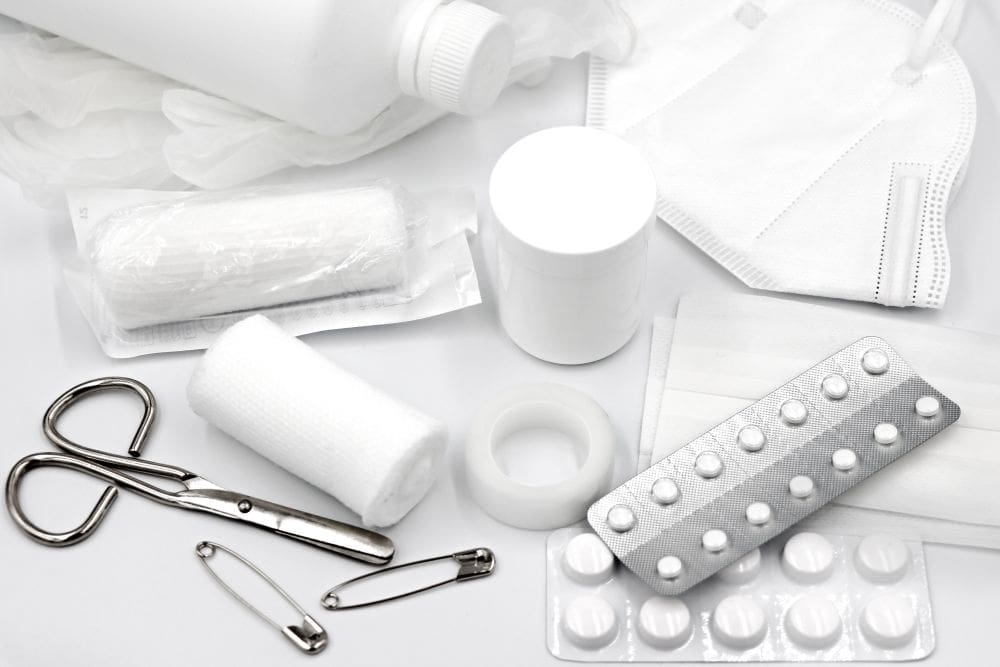
A small kit kept in one place makes the routine much easier to stick to, and it is a thoughtful gift for a family member who has just received their first set. A solid starter kit includes:
- A soft denture brush and a separate soft toothbrush for gums and tongue
- A non-abrasive denture cleanser, whether tablets, paste, or soak
- A lidded denture cup for overnight soaking
- A denture adhesive in the form that suits you best
- A travel case for overnight stays and day trips
- A small towel to line the sink while cleaning
Adding a spare cup and brush to a go-bag is also worthwhile if you spend time at hospitals, appointments or away from home.
📥 Download This Guide: Our free Denture Care Quick Reference Guide puts the daily steps, warning signs and when to call the dentist on a single page.Conclusion
Caring for dentures is not complicated, but it does ask for a little consistency, and that can feel like just one more task on an already long list, especially if you are looking after someone else too. The good news is that a few reliable habits do most of the work: rinse after meals, clean daily, rest the gums at night, use adhesive sparingly, and see a professional when the fit changes.
At LL Medico, our denture care collection includes everything you need to build a complete kit in one order. And, with our Autoship feature, you can set a recurring delivery so you never run out unexpectedly. What’s more, you save 15 percent off your first Autoship order and 5% on any subsequent ones. If you’re also helping an older adult, you may want to look at our wider range of senior care products such as adult diapers, nutritional supplements, and much, much more.
If you have any questions or concerns about our product, or you’re not sure where to start, call us at (855) 422-4556 or email support@llmedico.com, and we will gladly help.
We sign off with the words of Thich Nhat Hanh, "Sometimes your joy is the source of your smile, but sometimes your smile can be the source of your joy," reminding us that a healthy, comfortable smile is worth protecting. Every day of good care helps keep it that way.
FAQs
Can I clean my dentures with regular toothpaste?
It is best not to. Most toothpastes are abrasive enough to scratch denture material, and scratches hold bacteria and stains. A soft brush with a cleanser designed for dentures is a safer choice.
Should dentures be taken out at night?
Dentists generally recommend it, since the tissue needs time to rest, and the study above links overnight wear with a much higher chance of denture stomatitis. If your dentist has given you different instructions, follow those.
How long do dentures last?
It varies, but many sets need replacing or relining after several years because the mouth changes shape. A yearly checkup will catch fit problems before they cause sores.
Can I use denture adhesive every day?
Yes, as long as you follow the directions and use only the amount recommended. If you need more and more to keep the denture steady, ask your dentist about a reline or a new set.
What should I do if my denture cracks or breaks?
Stop wearing it and call your dentist. Do not glue it yourself, since home repairs can make things worse.