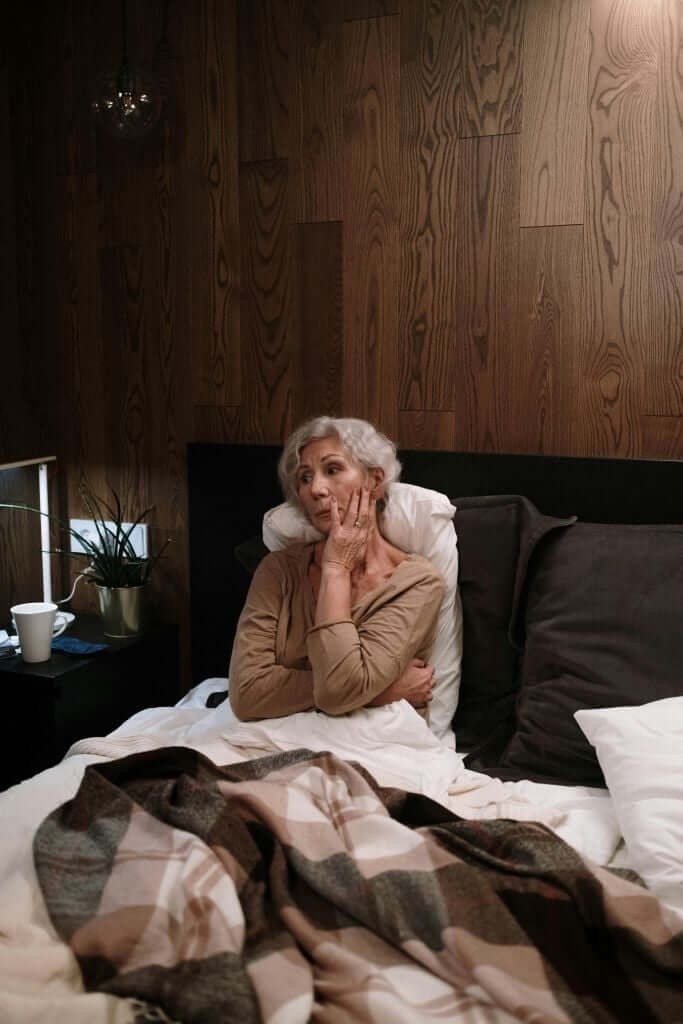

For many older adults, this is an all-too-common occurrence. You stand up and take a step. You hesitate. Not dramatically. Just enough to notice. Your feet feel a little less certain on the floor, your joints a little creaky. You’re not exactly scared, but you’re certainly not very confident either. This could be the first noticeable sign of arthritis.
Arthritis is a common chronic condition that affects 21.3% of adults over the age of 18 in the United States, according to Centers for Disease Control and Prevention data. By age group, the numbers are far more chilling. The prevalence rises exponentially with age, as you can see in this publication by America’s Health Rankings, an organ of the United Health Foundation.
Age Bracket | Percentage of Adults Affected |
18 – 44 | 8.6% |
45 – 64 | 32.7% |
65+ | 53.3% |
At the same time, falls remain a leading cause of injury among older adults, with one in four Americans aged 65 and older experiencing a fall each year, according to data published by the Centers for Disease Control and Prevention. The data also suggests that, in 2020, falls resulted in more than 5 million injuries requiring treatment or restricting normal activity.
Arthritis and fall risk individually present significant health challenges, but together, they create a spiral where pain impairs movement, reduced movement weakens the body, and weakness increases the likelihood of a fall. It is a quiet chain reaction, but one that deserves a closer look.
Understanding Arthritis, More Than Just “Aches and Pains”
Although arthritis is often seen as just “aches and pains”, it’s actually an umbrella term covering more than 100 conditions that affect the joints. The most common forms among older adults are osteoarthritis and rheumatoid arthritis.
Osteoarthritis involves the gradual breakdown of cartilage, the cushioning material that allows joints to move smoothly. Over time, this leads to stiffness, swelling, and pain. Rheumatoid arthritis, on the other hand, is an autoimmune condition where the body mistakenly attacks its own joint tissues.
Regardless of the type, the outcome is very similar. Joints become stiff and unstable, and, on some days, very painful.
Why Movement Becomes a Challenge
Pain naturally discourages movement. When walking, climbing stairs, or even standing becomes uncomfortable, people tend to do less of it. While that may feel like a sensible short-term adjustment, it comes with long-term consequences.
Muscles begin to weaken, joints stiffen further, and balance starts to decline. It is a bit like a door hinge that is never used; eventually, it can get almost completely stuck and very difficult to move at all.
The Mechanics of Falling, How Arthritis Tips the Balance
Joint Instability and Reduced Range of Motion
With healthy joints, movement is smooth and coordinated, while balance and posture are normal, reducing effort and maximizing control. Arthritic joints, however, limit the ease and range of motion, affecting the way a person walks, often leading to shorter steps, a slower pace, and uneven weight distribution, thereby increasing fall risk.
These changes, although subtle and seemingly almost a minor nuisance, can significantly affect balance. A missed step or a slight miscalculation can be enough to trigger a fall.
Muscle Weakness and Deconditioning
Maintaining muscle strength depends on them being used. When people become less active, muscles weaken. When the muscles that support posture and stabilize the body, particularly those in the legs and core, are weakened, it becomes harder to recover from a stumble, and what was once just a minor wobble becomes a full-blown fall.
Pain and Reaction Time
Pain not only limits movement but also affects how quickly the body reacts. With stiff or sore joints, it becomes more difficult to adjust position quickly and consequently, if you trip or lose balance, that split-second delay can be the difference between catching yourself and hitting the floor.
The Compounded Impact, When One Problem Feeds Another
Fear of Falling and Reduced Activity
After a fall, it’s quite normal to be more cautious, sometimes overly so. This fear can lead to avoiding activities altogether, especially those that involve walking outdoors or navigating uneven surfaces.
While understandable, this only accelerates the physical deterioration. Reducing movement weakens muscles and compromises balance, which, ironically, increases the likelihood of another fall—a classic catch-22.
Injuries That Change Everything
Falls aren’t always minor mishaps. They can result in fractures, particularly of the hip, wrist, or spine. For someone with arthritis, recovery is often complicated by the existing impairment of joint function.
Fractures can lead to hospitalization, a need for assistance with routine activities, and, in more extreme cases, long-term disability. It is a steep price to pay for what might have started as a simple misstep.
Treatment and Prevention, Breaking the Cycle
Managing Arthritis Effectively
Controlling arthritis symptoms can go a long way towards reducing the risk of a fall. Therapy can entail a combination of medication, physical therapy, and lifestyle adjustments. Managing the pain helps ease mobility constraints, and improved mobility helps preserve strength and balance; a virtuous cycle when managed well.
Strength and Balance Training
Exercise may be the last thing someone with joint pain wants to do, but it is one of the most effective tools available. Low-impact activities such as walking, swimming, or tai chi can improve muscle strength and coordination. Balance training, in particular, can make a noticeable difference. Even small gains in stability can significantly reduce the likelihood of falls.
Home Safety Adjustments
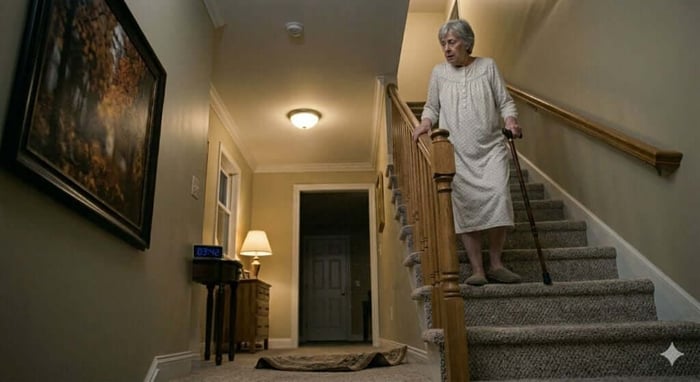
Your living environment plays a significant role in everyday safety. A few simple changes can make a big difference. For instance, remove loose rugs or apply non-skid pads, install grab bars and ensure adequate lighting throughout the home, especially in high-risk areas like staircases. Basic safety enhancements don’t require dramatic renovations, but they make the home much safer.
Assistive Devices and Support
Canes, walkers, and supportive footwear are not signs of weakness; they are practical tools. When used correctly, they provide stability and confidence.
Conclusion
Arthritis and falls may seem like separate challenges at first glance, but in reality, they are closely intertwined. Pain curbs activity levels, low activity leads to weakness, and weakness increases fall risk. The cycle is clear, but so is the opportunity to interrupt it.
At LL Medico, we understand that maintaining independence is a top priority, especially as we get older. We strive to support this independence by providing quality senior care products at competitive prices and with a hassle-free ordering process. Shipping takes one to three days and is free in the lower 48 states on orders over $49.
So, whether you’re in need of mobility aids, wound care essentials for those minor stumbles and falls, or just an everyday staple like adult diapers, call us today at (855) 422-4556 or email support@llmedico.com. Our experienced consultants are always ready to guide you.
We conclude with these words from Maya Angelou, “You may not control all the events that happen to you, but you can decide not to be reduced by them.” While arthritis may be unavoidable, its symptoms and the increased risk of falls can be tempered if you have the determination to retain your independence and quality of life.