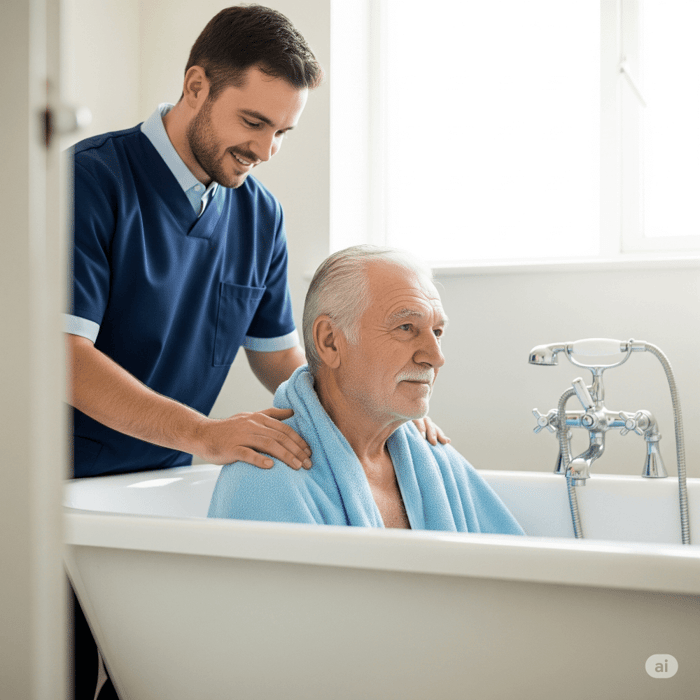

When we think of caregiving, we probably think first and foremost of the sacrifices made by the caregiver or the difference that caregiving makes to the quality of life of the care recipient. What we’re unlikely to think about is the often-unseen environmental cost. From single-use medical supplies to energy-intensive caregiving devices, the ecological footprint of home care is growing.
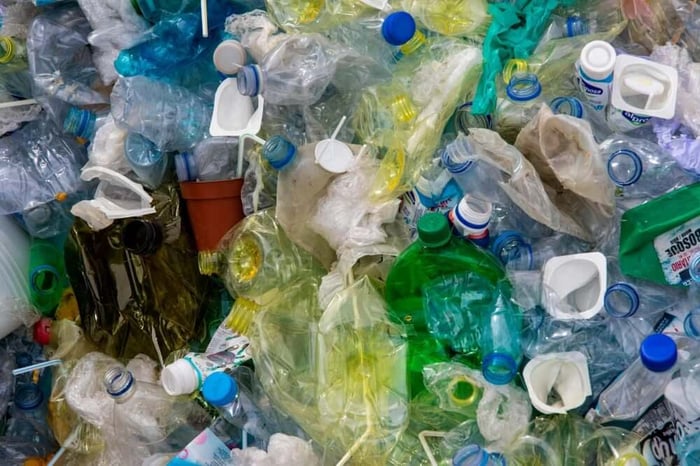
For instance, according to a Health Policy Watch report, healthcare services globally contribute about 4.4% of net global emissions—equivalent to being the world’s fifth-largest emitter. Another startling fact, according to a NewGenSurgical.com infographic, is that 85% of medical equipment used in caregiving is disposable plastic, with the US healthcare system generating a million tons of plastic waste annually.
On top of that, home caregiving adds to household resource use—extra laundry, increased water and energy consumption, apart from the frequent medical waste disposal. These environmental impacts are not trivial; they contribute to the acceleration of climate change, harming ecosystems, and ultimately affecting public health. Caregiving, however, doesn't have to be at odds with sustainability. With thoughtful strategies and innovations, we can reduce waste, conserve resources, and care for both our loved ones and the planet.
Single‑Use Medical Supplies
Challenges
Home caregiving often relies on single-use gloves, dressings, syringes, catheter kits, and more, most of which are plastic and non-biodegradable. These supplies quickly accumulate, and many end up in general waste or even inappropriate disposal channels. Biomedical waste—infectious materials like blood-soaked dressings and sharps—escapes proper controlled disposal and can pollute soil and waterways when improperly discarded.
Remedies
- Switch to reusables where safe: Reusable fabric gowns, cloth bandages, and washable incontinence pads can significantly reduce single-use waste.
- Proper Sharps Disposal: Use community sharps-collection programs or mail-back boxes to prevent landfill contamination.
- Green procurement: Choose biodegradable or recyclable options—bioplastic gloves, compostable dressings, or paper-based packaging.
- Partner with medical waste firms: It’s worth investigating local services that offer pickup or drop-off for biomedical waste.
By consciously shifting toward reusable and biodegradable supplies, caregivers can slash their waste footprint while maintaining safe care standards.
Energy and Water Consumption
Challenges
Caring for an elderly person often increases laundry (bedding, clothing, adult diapers), boosts water usage (more frequent bathing as opposed to showering), and raises home energy needs (heating devices, oxygen concentrators, medical machines). These devices consume significant amounts of energy, which, in turn. contributes to greenhouse gas emissions.
Remedies
- Choose energy-efficient appliances: Use ENERGY STAR–rated washers, dryers, and refrigerators.
- Optimize laundry loads: Wash full loads in cold or warm water; air-dry when possible. For bath linens, frequency can often be reduced without compromising hygiene.
- Invest in renewable energy: Solar panels can offset extra electricity needs and pay for themselves over time.
- Use smart power strips: Devices still draw energy even when “off.” Smart strips prevent this vampire power drain.
These seemingly small changes can lower household emissions, save energy costs, and support a greener caregiving household.
Pharmaceuticals & Personal Care Products
Challenges
Elderly care involves numerous medications—painkillers, supplements, and topical creams. Pharmaceuticals and personal care products (PPCPs) enter the environment through excretion and improper disposal. More than 20 million tons of these substances are produced annually, contaminating waterways and soil all over the world. It’s estimated that households are responsible for 80% of these substances entering waterways or leaching into the soil.
Remedies
- Proper medication disposal: Use community drug take-back bins or mail-back services. Never flush unused pills down the toilet.
- Ask for smaller prescriptions: Consult your pharmacist to avoid waste. Purchase only what’s needed.
- Use eco-conscious personal care: Swap conventional detergents or creams for biodegradable, natural alternatives.
These practices protect local ecosystems while promoting responsible caregiving.
Waste Treatment & Emissions
Challenges
Medical waste (e.g., gloves and dressings) typically goes through incineration, a process that releases dioxins, furans, and heavy metals unless modern facilities are used. For household caregivers, this burden falls on municipal systems, which may lack proper disposal channels.
Remedies
- Segregate waste: Separate infectious or hazardous waste from regular trash to facilitate appropriate processing by the waste management facility.
- Support local non-incineration treatment: Although this may be beyond the control of the average consumer, facilities using autoclaves, microwaves, or plasma pyrolysis produce fewer emissions.
- Special disposal solutions: Ask local pharmacies or clinics for the collection of biomedical household waste.
- Home composting (non-medical items only): Compost paper towels or food scraps separately. However, never dispose of medical items that way.
By taking responsible disposal steps, caregivers may be able to help reduce toxic waste generation and improve local environmental health.
Community & System-Level Solutions
Challenges
Many caregivers lack access to sustainable product choices or disposal infrastructure. This could be due to incomplete or absent systems or a slow rate of technological development in specific areas.
Remedies
- Tap co-care networks: Group purchases of eco-friendly caregiving supplies can lower costs and environmental impact.
- Choose greener senior care facilities: Where possible, opt for clinics or home-support services that prioritize energy, water, and waste efficiency.
- Benefit from technology: Robotic aides and telecare reduce home visits and unnecessary vehicle emissions.
By working together with neighbors, healthcare providers, and policymakers, caregivers can play a role in the adoption of scalable, sustainable solutions.
Mental & Emotional Sustainability
Challenges
Focusing solely on environmental sustainability can add a mental burden to an already stressful caregiving role. Guilt or perfectionism can amplify emotional strain.
Remedies
- Set realistic, incremental goals: You don’t have to be zero-waste overnight. Celebrate small wins, like switching to reusable pads or recycling medicine bottles.
- Practice self-care: Sustainability in caregiving includes caring for yourself—schedule rest, social time, and mental breaks.
- Embrace perspective: Every eco-step is valuable; perfection isn’t required to make a difference.
- Build community support: Share green caregiving ideas with other caregivers and rejoice together in shared progress.
In the words attributed to French writer and philosopher Voltaire, “Le mieux est l'ennemi du bien” or “the best is the enemy of the good”. Don’t get bogged down by trying to change too much too quickly. Make small, manageable changes, but do it consistently.
Conclusion
Making caregiving sustainable isn’t just a dream—it’s a practical, achievable goal. By choosing reusable supplies, conserving resources, disposing of waste responsibly, and advocating for greener systems, caregivers support both the environment and patient well-being. These changes lighten ecological impact and show that compassion and care can embrace our planet, too.
As Jane Goodall said, “What you do makes a difference, and you have to decide what kind of difference you want to make.” Let that empower your caregiving journey. You may not revolutionize environmental policy alone, but every eco-conscious act, switching a product, returning a syringe properly, choosing biodegradable packaging, paves the way to sustainability.
At LL Medico, we try to be as eco-friendly as we can be. We regularly review our product offering, and we strive to bring you the latest choices in technology and design. Visit llmedico.com to browse our range of adult diapers, personal care products or over-the-counter medications. You can also reach us at (855) 422-4556 or email support@llmedico.com to discuss your specific needs.