
Bathing is a fundamental part of personal care and hygiene, but for many older adults, it becomes a daunting or uncomfortable task. Declining mobility, cognitive changes, or emotional distress can make hygiene feel less like self-care and more like a battleground. For caregivers, this creates a dual responsibility: to maintain their loved one’s health and personal hygiene while also preserving their sense of autonomy and dignity.
Understanding The Hygiene Gap
Neglecting personal hygiene doesn’t just lead to bad odors or dirty clothing—it has real health implications. Poor hygiene in seniors has been linked to infections, skin breakdown, and emotional isolation.
Let’s have a look at a few key statistics that highlight the scope of the problem:
- Inadequate Cleaning in Facilities: A study published in the National Library of Medicine found that 88% to 100% of observed nursing home bathing sessions failed to clean essential body areas properly. Over 90% didn’t clean the genital area, and basic procedural errors like not using soap were widespread.
- High Risk of Bathroom Falls: According to a Care365 report, 80% of falls among adults 65 and older happen in the bathroom, most often during bathing or toileting. Falls in the bathroom are particularly dangerous due to the hard surfaces and limited space.
- Emotional Consequences of Poor Hygiene: Care management provider In-Home Quality Care suggests that infrequent bathing is associated with higher rates of depression, social isolation, and even cognitive decline. Seniors may withdraw from activities or avoid visitors out of embarrassment over their appearance or odor.
Why Seniors May Resist Bathing
Bathing is a private, vulnerable experience. For seniors, several factors can trigger resistance:
- Loss of Control: Many people are naturally modest and may feel humiliated or infantilized by being helped in the bath, especially if the helper is someone younger or of the opposite gender.
- Fear of Injury: A slippery floor or hard tile surface can make a simple task terrifying, especially if they’ve fallen before.
- Cognitive Disorders: Dementia can distort a person’s perception of temperature, time, or safety, causing confusion or even aggression when approached for bathing.
- Discomfort and Pain: Arthritis, wounds, or muscle soreness can make getting in and out of the tub feel unbearable.
- Mental Health: Depression and apathy can sap motivation for self-care, especially if a person feels that their dignity or independence has already been lost.
Tips for Caregivers
1. Build Trust First
Start small. If your patient resists bathing, it may not help to push for a full shower immediately. Begin with less invasive activities like brushing hair, washing hands, or a sponge bath. Earning trust through consistent, respectful care lays the foundation for greater cooperation later.
2. Safety Is Non-Negotiable
- Install grab bars in key locations—by the toilet, inside the tub, and near the sink.
- Use non-slip mats and rugs, both inside and outside the tub.
- Keep essential items within reach to prevent stretching or bending that could lead to falls.
- Use shower chairs and hand-held sprayers to provide both stability and flexibility.
Safety not only prevents injury but also helps reduce anxiety and may encourage participation in the bathing process.
3. Empower Through Choice
Seniors often resist care because they feel powerless. Giving choices—about when to bathe, what soap to use, or who helps—can restore a sense of agency. Ask questions like:
- “Would you like to take a shower this morning or later in the afternoon?”
- “Would you prefer the lavender or the unscented soap today?”
This doesn’t just show respect—it makes the individual a partner in their own care.
4. Communicate with Empathy and Clarity
- Use short, simple explanations.
- Speak calmly and face them directly.
- Use physical gestures to show what you’re about to do.
- Avoid surprises. Sudden water or unexpected contact can feel invasive or even threatening, especially to someone with memory loss or sensory processing issues.
5. Respect Modesty and Personal Space
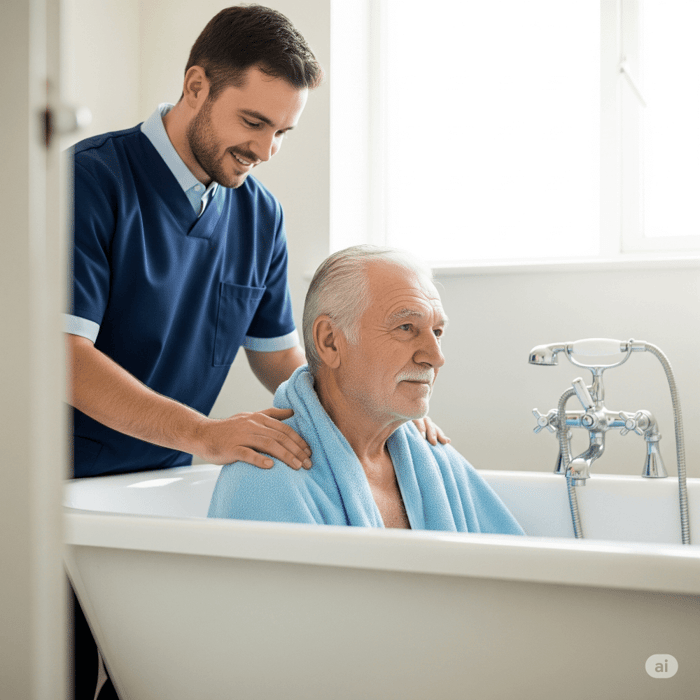
If you sense any discomfort or awkwardness, provide covering such as a towel or bathrobes. As far as practical, uncover only the area being washed, and use calm reassurance throughout. If same-gender caregivers are preferred, honor that when possible.
6. Use Positive Distractions
Create a calm atmosphere. Soft music, warm lighting, or scented candles can help create a spa-like ambiance that shifts focus from vulnerability to relaxation.
7. Turn Bathing into a Social Activity—Without Pressure
Some caregivers find success by reframing bathing as a social or pampering activity: “Let’s freshen up so you feel more comfortable for lunch,” rather than “You need a bath.” This subtle shift can reduce resistance and make the experience more collaborative.
Cultural and Personal Sensitivities
Respecting cultural or religious views around modesty, gender roles, or cleanliness is critical. For example:
- Some seniors may prefer to bathe at longer intervals as part of a lifelong cultural routine.
- Others may feel deeply uncomfortable being seen naked, even by close family.
Take time to ask what feels normal, respectful, or uncomfortable to them. Don’t assume that your standard of hygiene aligns with theirs. Making the effort to stay within their comfort zone reduces embarrassment or resentment and leads to a better outcome.
Creating a Long-Term Routine
The goal is consistency. Even if you start small, a predictable bathing routine builds trust and structure. Some helpful tips include:
- Link hygiene to positive events: “Let’s get ready for your favorite show,” or “How about a fresh shirt before we go for a walk?”
- Keep track of hygiene with a log: This can help identify patterns of resistance or physical discomfort that might need medical attention.
- Celebrate progress: “You did great today,” goes a long way in reinforcing cooperation.
Final Thoughts
Bathing is more than a task. For many, it’s a time of vulnerability where a loss of privacy can stir feelings of fear, embarrassment, or helplessness. For caregivers, it’s important to demonstrate empathy, patience, and respect.
In the words of author Leo Buscaglia, also known as Dr. Love, “Too often we underestimate the power of a touch, a smile, a kind word... all of which have the potential to turn a life around.” This is more than just a quote. For someone in a caring role, it’s almost a principle. Providing care, especially in matters of hygiene, is deeply human work. When done with grace, it can become a gift.
At LL Medico, we understand the issues with senior care and the burden it can place on both the caregiver and the patient. With our 30 years of experience in senior care, we have accumulated a collection of great products to help with sound hygiene care. Have a look at our range of personal care products or home and bath safety accessories.
And, since we’re a leader in senior care products, why not have a look at our adult diapers and a host of other items? Call us today at (855) 422-4556 or email support@llmedico.com. And from 9:00 a.m. to 5:00 p.m. EST, Monday through Friday, you can also reach us via live chat on our website.