
Aging rarely arrives as a single guest. More often than not, it brings along an additional gate crasher or two. Among the most insidious pairings to watch for is the silent erosion of muscle mass, known as sarcopenia, and the ever-prevalent challenge of urinary incontinence.
On their own, each of these conditions can significantly impact an older adult’s quality of life. But together, they form a vicious cycle that not only undermines independence but chips away at dignity, confidence, and physical resilience.
The numbers speak volumes. According to National Institutes of Health statistics, around 1 in 10 Americans in the 60 to 70 age bracket is affected by sarcopenia, rising to almost 1 in 3 for those over 80.
In addition, while estimates of the prevalence of incontinence vary widely, a National Institutes of Health publication suggests that about 25% to 45% of women are affected. In men, the prevalence is about half of that number. These numbers, of course, also increase with age.
In this installment of The Compounded Conundrum, we explore how the overlap between sarcopenia and incontinence can reinforce each other, reducing physical activity, increasing fall risk, and accelerating both functional and emotional decline. More importantly, we examine what caregivers and older adults themselves can do to arrest or slow this downward spiral.
Sarcopenia: The Slow Disappearing Act
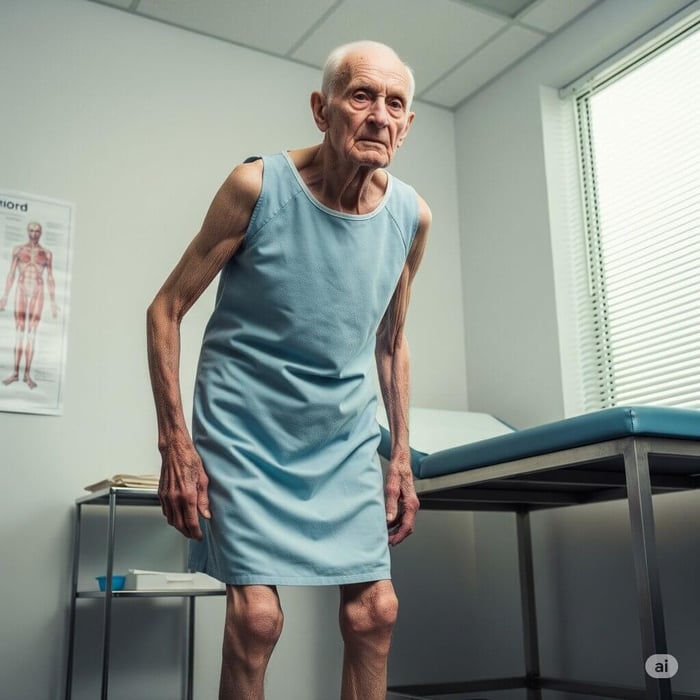
Sarcopenia isn’t just a fancy word for getting weak. It’s a clinical condition marked by progressive and generalized loss of skeletal muscle mass and strength. The body’s muscle reserves begin to decline around the age of 30, but the loss accelerates after 60, particularly in sedentary individuals.
The consequences are serious:
- Reduced mobility
- Higher fall risk
- Poor balance
- Increased dependence on caregivers
And then there's one often-overlooked consequence: loss of core and pelvic muscle strength, which directly undermines the body's ability to control bladder and bowel function.
Muscles of the pelvic floor, which support the bladder and help regulate urination, are just as prone to atrophy as the biceps or quadriceps. Without strong pelvic support, the bladder may leak during activities like coughing, laughing, or simply rising from a chair.
Incontinence: The Unwelcome Companion
Incontinence, while common, remains heavily stigmatized. Many older adults, especially men, may delay reporting symptoms or seeking treatment out of embarrassment. Unfortunately, incontinence rarely resolves on its own, and the longer it’s ignored, the more entrenched the problem becomes.
The relationship between incontinence and sarcopenia is often circular:
- Muscle loss weakens bladder control.
- Incontinence leads to reduced confidence in movement, especially in public.
- This fosters inactivity, which further accelerates sarcopenia.
This cycle becomes especially pronounced in older adults who avoid physical activity for fear of an accident. What starts as a strategy for avoiding embarrassment becomes the very behavior that worsens both conditions.
The Feedback Loop: How One Fuels the Other
Let’s take a closer look at how the interplay between sarcopenia and incontinence works:
Weakened Core Muscles
The pelvic floor doesn’t function in isolation—it relies on abdominal, back, and hip muscles. Sarcopenia compromises this network, making it harder to maintain bladder control.
Decreased Mobility
Muscle weakness leads to a slower gait and greater effort required to reach the bathroom in time. This often results in “functional incontinence,” where accidents happen simply because of mobility delays.
Reduced Physical Activity
People with incontinence often avoid walks, exercise classes, or even social events for fear of leaks. This leads to more muscle wasting, which worsens both sarcopenia and bladder control.
Falls and Injury
Both sarcopenia and incontinence increase the risk of falls, whether from rushing to the bathroom or due to general instability. A fall may result in a fracture, hospitalization, and prolonged bedrest, dramatically compounding muscle loss.
Emotional and Social Toll
Beyond the physical, this pairing carries a heavy psychological burden:
- Shame and embarrassment around, the still stigmatized, incontinence
- Loss of autonomy due to mobility issues
- Social isolation from fear of public accidents or mobility limitations
- Depression and anxiety as independence erodes
Caregivers, too, bear the brunt—managing toileting routines, cleaning up accidents, and coaxing loved ones to remain active despite their fears. This can lead to caregiver burnout, especially when the individual resists help out of pride or frustration.
Addressing the Double Burden
Though challenging, sarcopenia and incontinence are not inevitable. Here are practical steps that can help interrupt the cycle:
Targeted Exercise
Programs that combine resistance training, core strengthening, and balance exercises can reverse early-stage sarcopenia. Pelvic floor exercises, such as Kegels, strengthen bladder control.
Tip: Physical therapists can tailor a routine that’s both safe and discreet, addressing both core and pelvic muscles simultaneously.
Incontinence Management Tools
Modern incontinence products are discreet, breathable, and purpose-built for active adults. Using the right product restores confidence and enables more freedom of movement.
Scheduled Voiding and Bladder Training
Bladder retraining techniques—like going to the toilet at fixed intervals—can reduce urgency and prevent accidents, especially when muscle response times are slower.
Nutrition Support
Sarcopenia isn’t just about exercise. Older adults often don’t consume enough protein, which is critical for muscle maintenance. Nutritional counseling can help ensure the intake of vitamin D, calcium, and high-quality proteins needed for muscle health.
Mobility Aids and Home Modifications
Grab bars, non-slip mats, and raised toilet seats make toileting safer and faster. This is especially important for people with declining strength who may otherwise not “make it” in time.
Prevention is Better Than Cure
The silver lining? Both sarcopenia and incontinence develop gradually, offering a window of opportunity for early intervention. Middle-aged adults, and the children and caregivers of those affected, should see this as a wake-up call. Encouraging parents or partners to stay active, eat well, and report early signs of bladder leakage can delay or prevent the onset of this debilitating combo.
Even light daily movement—like gardening, gentle yoga, or resistance band work—can slow muscle loss. When paired with honest conversations about bladder health, these habits lay the foundation for a more independent and dignified later life.
Conclusion
Sarcopenia and incontinence may seem like separate issues, but in truth, they dance a destructive duet—one that robs older adults of both physical and emotional strength. But this duet doesn’t have to end in defeat. With proactive management, open dialogue, and a holistic approach, older adults can reclaim their stride and their confidence.
A word of caution from LL Medico, though. Diet and exercise alone may, in some cases, not be sufficient to reverse or relieve either or both of these conditions. In these cases, some form of external intervention or management strategies will be required in order to preserve dignity, independence, and quality of life.
LL Medico offers a comprehensive range of adult diapers and personal care products for incontinence management, and a selection of top nutritional supplements to fill the nutrient gaps in your normal diet. Contact us today at (855) 422-4556 or email support@llmedico.com to discuss how we can support you.
In closing, aging is not about bowing out. It’s about adapting, evolving, and holding on to the things that matter most: dignity, independence, and a life lived fully. In the words of Charles Darwin, "It is not the strongest of the species that survives, nor the most intelligent, but the one most responsive to change."