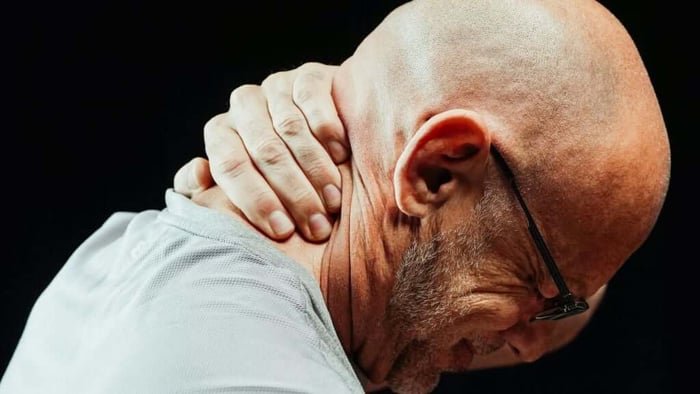

Chronic pain is an uninvited and unpleasant guest that far too many older adults have to live with daily. It lingers in aching joints, stiff backs, or nagging headaches, often affecting not just the body but also mood, sleep, and independence.
In fact, according to a Centers for Disease Control and Prevention (CDC) report, almost 21% of U.S. adults (over 50 million people) experienced chronic pain during 2021, and 7% (17 million people) experienced chronic pain at a sufficiently high level of intensity to result in substantial restriction to daily activities.
For caregivers, watching a loved one struggle with pain can feel frustrating, especially when traditional medications seem to provide only partial relief or come with unwanted side effects. That’s where holistic approaches step in.
Holistic pain management isn't about dismissing medicine, but rather about complementing it with strategies that treat the whole person, body, mind, and spirit. From gentle movement to mindful breathing, from the soothing power of music to the healing touch of massage, holistic pain management methods open up a toolbox filled with safe, natural ways to bring comfort. They also put caregivers back in the driver’s seat, offering practical, everyday techniques that can be used at home without complex equipment or endless appointments.
As Mahatma Gandhi once said, “It’s health that is real wealth and not pieces of gold and silver.” Caregivers who incorporate these pain management approaches aren’t just addressing pain; they’re enriching the quality of life, nurturing resilience, and helping seniors feel more like themselves again. So, let’s explore some of these techniques.
Gentle Movement: More Than Just Exercise
Diversified Movement Options
Chair-based Yoga: Even ten minutes a day can relieve back and hip tension. Combining stretches with breathing not only loosens muscles but also focuses and calms the mind.
Community Walking Groups: Local senior centers often offer guided walks a few times a week, adding social interaction to movement. Walking releases endorphins and lowers inflammation. In group settings, it also combats isolation.
Pool-Based Exercise: Warm water therapy, through gentle water aerobics, eases joint stress dramatically. Many fitness facilities or YMCAs offer senior swim classes, low-impact with high reward.
Incorporating Movement into Routine
Set movement reminders tied to other activities; e.g., stretch during TV commercial breaks or after meals.
Use visual prompts like colorful yoga mats or resistance bands near the recliner.
Holistic movement preserves both mobility and independence, and reminds seniors and caregivers that pain management and wellness can be gentle, steady, and even fun.
Mind-Body Techniques: Gentle Habits with Big Impact
Mindfulness and Meditation
Guided Audio: Apps like “Calm” or “Insight Timer,” or even voice recordings, help guide caregivers and seniors through five-minute breathing or visualization exercises.
Cognitive Behavioral Techniques (CBT)
Encourage reframing thoughts like “This pain is unbearable” into “This is uncomfortable, but I can breathe through it.” Repetition of positive reframing empowers perspective shifts.
Imagery and Relaxation
Visualization—like imagining a warm wave dissolving stiffness—can reduce perceived pain, especially in areas like the shoulders or hips.
These mind-body practices complement physical therapies, helping seniors feel empowered over their bodies, not resigned to pain.
Hands-On Relief: Touch, Thermal, and Pressure Therapy
Massage and Self-Massage
Professional Visits: A gentle 20-minute rub from a trained massage therapist once a week can relieve muscle buildup. Prioritize light pressure and low-risk positions.
Self-Massage Tools: Foam rollers or handheld massagers applied with gentle strokes provide localized relief.
Acupressure Points
Teach caregivers to press points like LI4 (between thumb and forefinger) or GB34 (just below the knee). Fifteen seconds of pressure on each can release natural analgesics.
Heat and Cold Therapy
Heat packs: Apply to sore areas for 15–20 minutes to soothe stiffness (especially in lower back or shoulders).
Cold compresses: Reduce inflammation after overexertion or during flare-ups.
Qualified hands-on relief physically and emotionally reinforces a tactile connection that carries healing beyond medication.
Sensory Soothers: Aromas, Music, and Comforting Presence
Aromatherapy
Scents like lavender and chamomile have mild analgesic and calming properties when inhaled or used in lotion. Place a few drops on a wristband or cloth near the bedside—non-invasive and soothing.
Music Therapy
Create a “pain-ease playlist”—songs from youth or nostalgic music can shift focus and uplift mood.
Pet and Comfort Therapy
A cuddle from a calm, gentle animal can trigger oxytocin release, easing tension and discomfort.
Weighted blankets or soft throws can offer comforting pressure that reduces nightly aches.
Sensory supports engage not just the body but the heart, making them potent yet subtle additions.
Lifestyle & Environmental Aid: Adjusting the Home for Wellness
Supportive Surfaces
Cushions with lumbar support and anti-fatigue mats near chairs or kitchen counters significantly reduce strain in hips and back.
Sleep Hygiene
Ensure a comfortable mattress and consistent bedtime routine—poor rest amplifies pain perception. A soothing bedtime ritual such as warm tea, soft music or a gentle foot massage, can prime both the body and mind for impending rest.
Nutrition with Purpose
Diets rich in omega-3s, antioxidants, and spices like turmeric can help reduce inflammation. Simple swaps, like berries over sugary snacks, help ease systemic pain over time.
These environmental changes require minor effort but yield a smoother daily experience with fewer flare-ups.
Practical Suggestions for Integrating Holistic Pain Care
Combine methods: For example, gentle yoga followed by a warm scented foot rub is doubly comforting.
Start small: Just two minutes of guided breathing or a single stretch can form a foundation.
Include your patient in planning: “Would you like some foot lotion applied after your walk? Maybe some music?”
Complement, don’t replace: Secure medical guidance before reducing medications; holistic pain management tactics are intended to support prescribed therapies, not replace them.
Track what works: Making notes can reveal trends (e.g., “Less hip pain after daily walk. Morning tea seems very calming”).
Caregiver care: You matter too. Take short mindful breaks, gentle walks, or music interludes, because your well-being sustains theirs. You can’t pour from an empty cup.
Conclusion
Holistic pain management doesn’t promise instant elimination of discomfort—but promises dignity, resilience, and partnership. Your loved one is more than a collection of symptoms; they’re a person whose body, mind, home, and history all matter.
At LL Medico, we understand the challenges of managing age-related conditions, and pain is no exception. Drawing on 30 years of experience, we have assembled not only a range of pain relief products, but also mobility aids and home and bath safety devices to help prevent falls and injuries. Of course, as a senior care product supplier, we also hold a wide range of adult diapers, nutritional supplements, and much more. Call us today at (855) 422-4556 or email support@llmedico.com. We’d be happy to discuss how we can help.
As Anne Lamott reminds us, “Almost everything will work again if you unplug it for a few minutes, including you.” Sometimes, that means unplugging from just handing out pills and reconnecting with movement, senses, and simple presence.