

Caregiving often goes beyond just the emotional and physical demands. In many cases, it carries a significant financial burden as well. A Caregiver Action Network (CAN) infographic provides some stark statistics:
- In 2023, 53 million adult caregivers provided unpaid care to older relatives or disabled adults—delivering care worth nearly $600 billion annually.
- On average, family caregivers spend about $7,200 per year out of pocket—nearly 25% of their annual income.
- 71% of caregivers are experiencing financial difficulties, with 63% of those living paycheck to paycheck.
These numbers reveal the true cost of caregiving and the potential value of knowing where to turn for financial support. In this article, we will explore the ways American caregivers can access federal, state, and local benefits and even get paid for care. From Medicaid waivers and Social Security spousal benefits to long-term care insurance, workplace policies, and tax credits, here's your practical guide to easing the financial strain of caregiving.
Why Financial Aid for Caregivers Matters
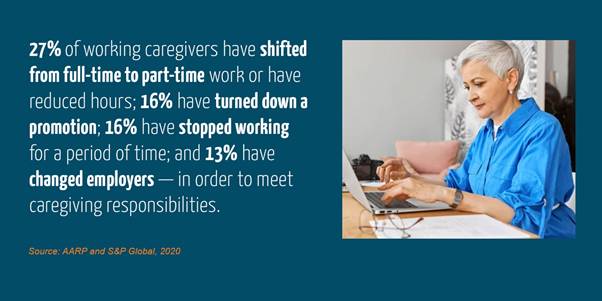
The CAN infographic also provides these statistics relating to the impact on caregivers’ employment status:
In practical terms, caregiver financial support helps protect savings, reduce stress, and sustain daily care arrangements without sacrificing quality of life for both you and your loved one.
Federal-Level Financial Aid
Medicaid Self‑Directed Care and HCBS Waivers
Through Home and Community-Based Services (HCBS) waivers, many states allow care recipients to hire family members as paid caregivers, under Medicaid. Known under names such as Cash & Counseling, Consumer-Directed Care, or Participant-Directed Services, these programs typically pay an allowance based on the needs of the care recipient and can vary significantly depending on the state.
Forbes reports that:
- California’s In-Home Supportive Services (IHSS) program can fund up to 195–283 care hours per month, compensating caregivers $13–$16.50/hour depending on the county.
- Michigan’s MI Choice Waiver allows family members to be paid for caregiving, with rates varying from $11 to $15 per hour.
Veterans Affairs (VA) Caregiver Benefits
If your loved one is a veteran with at least a 70% disability rating, you may qualify for the PCAFC (Program of Comprehensive Assistance for Family Caregivers), which offers:
- Monthly stipend to caregivers
- Healthcare coverage via CHAMPVA if needed
- Mental health counseling and travel expense support
- Up to 30 days of respite care per year
For other veterans, the Program of General Caregiver Support Services (PGCSS) provides resources and education—even without financial compensation.
Long-Term Care Insurance
Long-term care insurance is designed to cover some or all of the cost of ongoing care due to age-related cognitive or physical decline or chronic conditions. Policies purchased in advance, typically between the ages of 45 and 55, can cover:
- Home care, adult daycare, assisted living, respite care
- Home adaptations, visiting or live-in aides
Premiums are often tax-deductible, and financial aid received from these policies are not included in taxable income. The downsides of long-term care insurance are:
- The cost can be very high, especially if you purchase the policy at a more advanced age
- Premiums may be adjusted from time to time due to the ever-increasing long-term care costs. Adjustments of 20% to 40% are not unheard of.
- The policy may not cover all the expenses. Only certain types of costs are covered and often only for a specified length of time.
- Qualifying may be an obstacle. If you’re already in poor health, insurers may be unwilling to provide cover or increase premiums significantly.
Workplace Protections and Tax Credits
- The Family and Medical Leave Act (FMLA) provides up to 12 weeks of unpaid leave for caregiving at qualifying employers.
- Several states (e.g., California, New York, New Jersey, Rhode Island, Washington, DC) offer paid family leave benefits ranging from 4 to 18 weeks.
- The Child and Dependent Care Tax Credit allows caregivers to deduct up to $3,000 per dependent or $6,000 for two. However, claims for adult dependents remain low, only around 2‑3% of all claims despite potential eligibility.
State-Level Financial Aid Resources
State-Funded Paid Caregiver Programs
Some states provide compensation to family caregivers:
- Several states offer flexible programs via Medicaid or state-administered caregiver benefit plans that can pay a substantial contribution depending on hours and level of care.
- An example is Nebraska’s Lifespan Respite Program that offers up to $125 per client, per month for respite services.
National Volunteer & Non-Profit Support
Volunteer-based programs such as AmeriCorps Seniors (formerly RSVP/Senior Companion) offer non-monetary benefits including:
- Some programs may offer stipends
- Certain programs offer training, meals, and supplemental insurance while caregiving or supporting others
- Useful resources and community connections
Additionally, local non-profits and disease-specific organizations like the Alzheimer’s Association may offer grant-based support for respite care or minor expenses.
How to Access These Programs
- Contact your state’s Medicaid or aging services department, or local Area Agency on Aging.
- Visit Medicaid.gov or your state’s Medicaid waiver listings to explore available HCBS programs.
- Check VA caregiver support eligibility if your loved one has service history.
- Consult a financial advisor familiar with LTC planning, especially for hybrid LTC policies.
- Use tax preparation tools or IRS guidance to explore CDCTC eligibility.
- Request paid or unpaid leave from your employer early, if needed.
Know the Caveats
- Eligibility varies significantly by state and individual circumstances.
- Medicaid waivers generally apply to low-income individuals or those who’ve spent down assets; long-term care insurance requires advance planning.
- Tax credits like CDCTC are often underutilized for adult care. Caregivers need guidance to claim them.
- VA programs require specific veteran criteria, including disability rating and care need assessments.
Tips for Caregivers Navigating Financial Aid
- Be proactive: Start checking eligibility before financial strain sets in.
- Document caregiving hours and expenses: You’ll need logs for reimbursement or tax purposes.
- Apply for multiple programs: Combinations like VA stipend and Medicaid waiver may be possible.
- Keep track of approvals, deadlines, and recertifications: Many benefits require annual renewal.
- Beware of scams: Rely only on official websites or trusted non-profits for contact and application guidance.
Financial aid isn't just about dollars, though. It’s also about preserving dignity, managing stress, and enabling older adults to remain safe and supported at home. You’re not alone in this. Across federal, state, and non-profit landscapes, multiple programs exist to ease the burden and reward your caregiving.
Conclusion
At LL Medico, we’re very familiar with the financial challenges faced by caregivers. With 30 years of experience in the senior care market, we have heard many tales of the burdens of caregiving. One way we try to help is by providing a variety of savings mechanisms on our product range. For more details, read this article.
In addition, using our Autoship feature, you can schedule deliveries of your requirements at set intervals, relieving you of the stress of managing the supplies cabinet. You also get a discount on your first order. Give us a call today at (855) 422-4556 or email support@llmedico.com. We’d be happy to help you plan a delivery schedule for adult diapers, personal care products, nutritional supplements and much more.
In the words of Mother Teresa, “It's not how much we give but how much love we put into giving.” Providing care is indeed a labor of love and giving, but it shouldn’t come at the cost of your retirement savings, career progress, or emotional health. Remember, you’re entitled to some help in this journey—not just as a caregiver, but as a person.