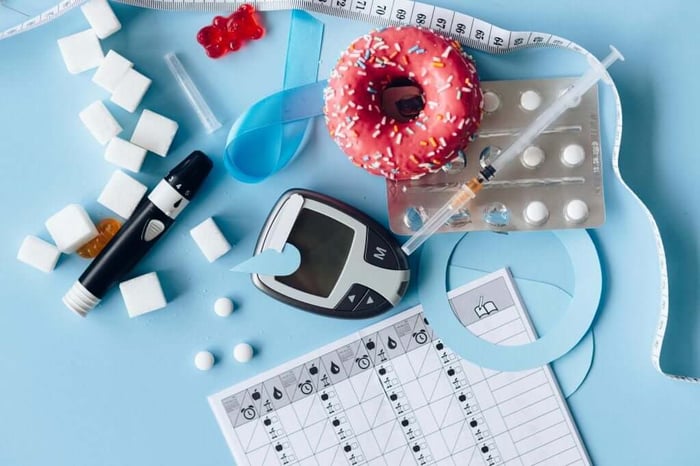

Aging often brings with it a veritable cocktail of challenges. We experience changes to the metabolism, loss of muscle mass, and a variety of chronic illnesses. But when diabetes enters the picture, it can quietly influence nearly every organ system.
A very under-discussed yet deeply personal complication of diabetes is its connection to incontinence. Though often viewed as separate health issues, diabetes and bladder control problems frequently intertwine in a way that creates a destructive synergy, affecting both physical health and emotional well-being.
According to a Centers for Disease Control and Prevention (CDC) report, more than 38 million American adults, or 14.7%, live with diabetes, and almost 98 million have prediabetes – 38% of the adult population. Among those aged 65 and older, the prevalence increases to 29.2% and 48.8% respectively.
Alongside this, more than 33 million Americans experience some form of urinary incontinence, according to a National Association for Continence (NAFC) article. When these two conditions coexist, they often reinforce each other, leading to a complex and frustrating cycle of symptoms.
How Diabetes Affects Bladder Function
Diabetes can influence bladder control in multiple ways, both directly and indirectly. Prolonged high blood glucose levels can damage the small nerves that control bladder sensation and muscle contraction — a condition known as diabetic neuropathy. When this happens, the bladder may struggle to sense fullness or to contract properly, leading to a range of issues such as urgency, frequency, leakage, or even urinary retention.
Additionally, high blood sugar increases urine production. When the kidneys attempt to filter excess glucose from the blood, they draw more water along with it. The result is more frequent urination and, over time, a bladder that becomes overstretched or weakened. For individuals with limited mobility, this can make reaching the bathroom in time particularly challenging.
The end result is a frustrating cycle: the more uncontrolled the blood sugar, the greater the urinary frequency; the greater the frequency, the more strain placed on bladder control mechanisms — ultimately amplifying the risk of incontinence.
The Hidden Emotional Toll
Beyond the physical discomfort, the pairing of diabetes and incontinence can take a heavy emotional toll. Many people feel embarrassed or reluctant to discuss bladder issues with their healthcare provider, leading to underreporting and undertreatment. The constant worry about accidents can lead to social withdrawal, anxiety, and even depression.
In older adults, the impact can extend to practical matters — such as disrupted sleep due to frequent nighttime urination, known as nocturia, or fear of traveling or attending social events. This decline in confidence and quality of life illustrates how the effects of these conditions go far beyond medical symptoms.
Recognizing the Warning Signs
For individuals managing diabetes, early recognition of bladder changes can help prevent more severe complications. Warning signs include:
- Needing to urinate more often, especially at night
- Difficulty starting urination or fully emptying the bladder
- Sudden, strong urges to urinate
- Leakage during physical activity, coughing, or sneezing
- Recurrent urinary tract infections (UTIs)
These symptoms should never be dismissed as “just part of getting older.” In the context of diabetes, they may indicate nerve damage or poor blood glucose control and should prompt a discussion with a healthcare provider.
Strategies for Breaking the Cycle
The good news is that managing diabetes effectively can help minimize or even prevent bladder control problems. A multi-pronged approach works best — addressing both the underlying glucose imbalance and the resulting urinary symptoms.
1. Blood Glucose Control
Maintaining blood sugar within target ranges is the cornerstone of prevention. Consistent glucose management helps protect nerves, preserve bladder function, and reduce the excessive urine output that aggravates incontinence.
2. Bladder Training and Scheduled Voiding
Structured voiding routines — such as going to the bathroom every two to three hours — can help retrain bladder muscles and reduce sudden urges. Over time, this helps restore some measure of predictability to urination patterns.
3. Pelvic Floor Exercises
For both men and women, Kegel exercises strengthen the pelvic floor muscles, which support the bladder and urethra. Stronger muscles can reduce stress incontinence (leakage from exertion or coughing) and improve overall control.
4. Medication and Medical Intervention
Depending on the type of incontinence, medications may help regulate bladder contractions or relax overactive muscles. In some cases, devices or surgical options may be appropriate, particularly when nerve damage has significantly impaired bladder function.
5. Weight and Lifestyle Management
Excess weight increases pressure on the bladder, while smoking, caffeine, and alcohol can irritate it. Small changes — such as adjusting fluid intake, limiting irritants, and maintaining a healthy weight — can have meaningful effects on symptom control.
6. Communication and Support
Open dialogue with healthcare providers is vital. Discussing bladder symptoms may feel uncomfortable, but it ensures that both diabetes and incontinence are managed together — rather than as isolated problems.
A Team Approach to Care
Because diabetes and incontinence influence each other, care should ideally involve collaboration between endocrinologists, urologists, and primary care physicians. Dietitians, diabetes educators, and physical therapists can also play key roles in creating individualized care plans. For caregivers, awareness is equally important — monitoring fluid intake, ensuring easy bathroom access, and supporting dignity and independence can make a world of difference.
Conclusion
Living with both diabetes and incontinence can feel overwhelming, but it does not have to mean surrendering independence or comfort. With early recognition, medical guidance, and daily management, the destructive synergy between these two conditions can be slowed or even reversed. Empowerment begins with awareness, and small steps toward control can lead to significant improvements in quality of life.
At LL Medico, we thoroughly understand the compounded effect of co-existing age-related conditions. We strive to assist seniors and their caregivers, where applicable, to preserve their quality of life by providing a wide range of top-quality care products at competitive prices.
With our Autoship feature, we can eliminate one of the moving parts in your care routine. Delivery to your doorstep is free within the continental US and usually takes one to three days. So, don’t hesitate; for all your adult diapers, diabetic supplies or personal care products, call us today at (855) 422-4556 or email support@llmedico.com.
In the words of Eleanor Roosevelt, “You gain strength, courage, and confidence by every experience in which you really stop to look fear in the face.” Facing up to the twin challenges of incontinence and diabetes may just equip you with the resolve and resilience to take back control and preserve your quality of life.