
Dementia caregiving carries a particular kind of weight, and it’s scale is enormous. Nearly 13 million Americans provided unpaid care to someone with Alzheimer's or another dementia in 2025, together delivering more than 19 billion hours of care valued at $446.3 billion, according to the Alzheimer's Association's (alz.org) 2026 Facts and Figures report.
According to another alz.org article, Alzheimer's disease itself is the most common cause of dementia, accounting for 60 to 80 percent of cases. However, it's not the only one, and understanding which type of dementia you're dealing with shapes what caregiving will actually look like day to day.
This guide is a detailed look into Alzheimer's and other dementias, in terms of the diseases themselves - the types, how diagnosis works, the stages of decline, and the behavioral and communication challenges that set dementia caregiving apart from other neurodegenerative conditions. We also cover the care aspects that are specific to these diseases.
For a broader look at caring for someone with neurodegenerative disease in general, this article covers common caregiving considerations like home safety fundamentals, care team coordination, advance care planning, and more.
Understanding Dementia: Types and Causes
Dementia isn't a single disease; it's an umbrella term for a decline in memory, thinking, or reasoning severe enough to interfere with daily life. Alzheimer's disease is the most common cause, typically starting with short-term memory loss and gradually affecting language, problem-solving, and the ability to complete familiar tasks.
Vascular dementia, the second most common type, results from strokes or reduced blood flow to the brain and tends to progress in noticeable steps rather than a steady decline. Lewy body dementia and frontotemporal dementia are less common but distinct in important ways.
Lewy body dementia often involves visual hallucinations and pronounced fluctuations in alertness, while frontotemporal dementia tends to affect personality and behavior before memory. It's also common for more than one type to occur together, known as mixed dementia, which isn't always obvious from symptoms alone.
📌 Keep in Mind: A dementia diagnosis doesn't always specify which type is involved, especially early on. If your loved one's diagnosis feels vague, it's reasonable to ask their doctor directly which type is suspected and why. The answer can meaningfully shape what to expect and plan for.Diagnosis and Staging
There's no single definitive test for dementia. Instead, doctors look for a pattern, a decline in specific skills and functions over time, combined with medical history, cognitive testing, and sometimes imaging or biomarker testing to rule out other causes. That process takes time: the average gap between symptom onset and an accurate Alzheimer's diagnosis is commonly cited at two to three years, which is part of why early evaluation matters even when symptoms still seem mild or easy to explain away.
Once diagnosed, many care teams use a staging tool (the Functional Assessment Staging Test (FAST) is among the most widely used) to describe how far the disease has progressed and to guide care planning. Staging isn't just clinical bookkeeping. Knowing roughly where your loved one is in the disease's progression helps you anticipate what's coming next rather than being caught off guard by it.
Communication Strategies for Cognitive Decline
As dementia progresses, finding words, following conversations, and processing information all become harder, and how you communicate matters as much as what you're trying to say. A few techniques consistently help: speaking in short, simple sentences rather than complex ones; maintaining eye contact and warm body language, since non-verbal cues often land even when words don't; allowing extra time for a response instead of filling the silence or repeating yourself faster; and using visual aids, gestures, or written notes to reinforce a spoken message.
Where and how a conversation happens matters too. Quiet spaces with minimal background noise or distraction make it a lot easier for someone with dementia to follow, and offering choices ("would you like the blue shirt or the green one?") rather than open-ended questions helps preserve a sense of control without overwhelming them.
💬 What to Say: Rather than correcting a factual error mid-conversation — which can cause frustration or shame — it's often kinder to gently redirect: "That's an interesting thought, tell me more" keeps the connection going without turning the moment into a test.Managing Behavioral Changes
Personality and behavioral changes are among the most difficult parts of dementia caregiving, and three patterns come up often enough to be worth understanding in advance.
Aggression can appear suddenly or build gradually, and it's rarely random. It's usually a response to frustration, discomfort, confusion, or an unmet need the person can't clearly express. Identifying what precedes an outburst (pain, hunger, overstimulation, a specific task) often does more to prevent it than any in-the-moment response.
Wandering poses real safety risks, from injury to getting lost, and it tends to happen when someone feels restless, is looking for something or someone familiar, or is trying to respond to an old routine (like "going to work"). Door alarms, secured exits, and a current photo on hand for emergencies are practical safeguards worth setting up before wandering becomes an issue, not after.
Sundowning, increased confusion, agitation, or anxiety in the late afternoon and evening, is common enough to have its own name. Reducing stimulation and noise as the day winds down, keeping a consistent evening routine, and ensuring good lighting before dusk can all soften its effects.
Daily Living: Hygiene, Nutrition, and Medication
Dementia frequently affects a person's ability or willingness to manage hygiene, meals, and medication independently, and this is often where caregivers feel the day-to-day demands most acutely.
For hygiene, simple, consistent routines (washing hands before meals, a set time for bathing) tend to work better than ad hoc reminders, and offering praise after a completed task can help maintain motivation and dignity. Refusal to bathe or brush teeth is common and usually isn't stubbornness; it's often confusion, fear, or discomfort, and gentle patience gets further than insistence.
For nutrition, a consistent, balanced diet matters, and planning meals in advance reduces the daily decision load for everyone involved. Watch for unintentional weight loss or reduced appetite, which can signal anything from medication side effects to difficulty using utensils, and is worth raising with the care team rather than assuming it will resolve on its own.
Medication management usually can't be left to the person with dementia once the disease has progressed meaningfully. Incorrect or missed doses are common risks. Keep medications under lock and key, use a pill organizer, and keep an updated list of prescriptions and dosages to reduce the chance of error.
📥 Download This Guide: For an easy way to track daily care, download our free Daily Care Log, a fillable checklist for medications, meals, hygiene, and mood, plus space to note anything worth raising with the doctor.Home Safety and the Bigger Picture
Apart from fall risk, wandering, and general home hazards, which all matter significantly for dementia caregiving, it’s also worth considering a couple of dementia-specific adjustments like high-contrast colors in stairways and high-risk areas to improve visual perception and reduce falls, and reducing unexpected loud noises to help prevent the confusion or agitation that sudden sounds can trigger.
Also remember that dementia caregiving tends to change every few months as the disease progresses. A strategy that worked well last season may need adjusting, not because you did something wrong, but because the underlying condition has moved into a new stage.
Conclusion
Caring for someone through this disease asks an enormous amount, often for years, and the day-to-day weight of it is easy to underestimate from the outside. But understanding what's actually happening - which type of dementia, what stage, what's driving a specific behavior - tends to make potentially overwhelming moments more manageable.
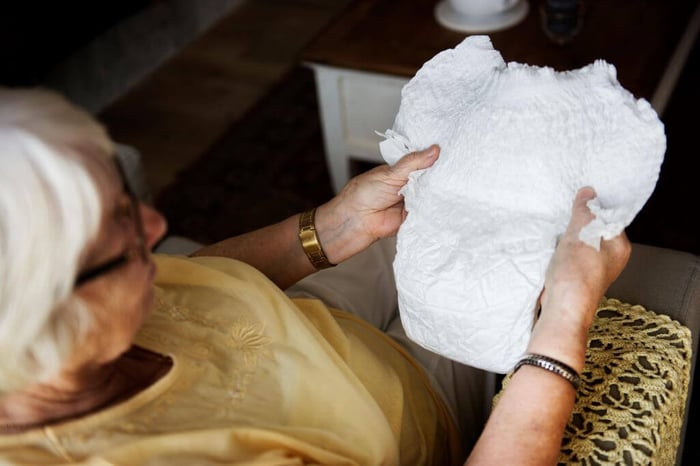
At LL Medico, we know dementia caregiving often comes with evolving hygiene and comfort needs, and we strive to help you meet them. From mobility aids to home safety devices to our full range of adult diapers, we’re proud to offer products that provide comfort and dignity at whatever stage of care you're facing.
For guidance on choosing the right products for a loved one living with Alzheimer's or dementia, reach out to LL Medico at (855) 422-4556 or email support@llmedico.com. Our team is glad to help.
As author and caregiving advocate Tia Walker once wrote, "To care for those who once cared for us is one of the highest honors." On the hardest days of this journey, that honor is easy to lose sight of, but it doesn't make it any less true.
📥 Download This Guide: Want this information on hand for quick reference? Download our free Alzheimer's and Dementia Quick Reference Guide, a printable one-page summary of daily priorities, warning signs, and when to call the doctor.FAQs
What's the difference between Alzheimer's and dementia?
Dementia is the umbrella term for a decline in memory and thinking severe enough to interfere with daily life; Alzheimer's is the most common specific cause of dementia, accounting for 60 to 80 percent of cases, though several other types exist.
How long does it typically take to get a dementia diagnosis?
The average gap between symptom onset and an accurate Alzheimer's diagnosis is commonly around two to three years, which is part of why bringing up early symptoms with a doctor sooner rather than later matters.
What causes sundowning, and can it be prevented entirely?
Sundowning — increased confusion or agitation in the late afternoon and evening — isn't fully understood and can't always be prevented, but reducing stimulation, keeping a consistent evening routine, and scheduling demanding tasks earlier in the day can meaningfully soften it.
Is aggression in dementia patients intentional?
No — aggressive behavior is almost always a response to an unmet need, discomfort, confusion, or frustration the person can't otherwise express, rather than a deliberate choice.
Should I correct a loved one with dementia when they say something factually wrong?
Usually not directly — gentle redirection tends to preserve connection and dignity better than correction, which can cause unnecessary frustration or shame without changing the underlying confusion.
How often should a dementia care plan be reviewed?
At least once a year, or sooner if there's a significant change in symptoms, behavior, or daily functioning — dementia care plans generally need to evolve as the disease progresses through its stages.
Can more than one type of dementia occur at the same time?
Yes — this is called mixed dementia, and it's fairly common, though it isn't always obvious from symptoms alone, which is one reason a clear diagnosis from a specialist matters.
What should I do if my loved one with dementia starts refusing to bathe?
Look for an underlying cause first — fear, confusion, discomfort, or cold rather than stubbornness — and try a consistent, familiar routine at the same time of day rather than insisting or arguing in the moment.