
Colon and gut health play a vital role in overall well-being, particularly for older adults. As the body ages, the digestive system undergoes changes that can lead to discomfort, reduced nutrient absorption, and increased susceptibility to gastrointestinal diseases. Understanding the importance of digestive health, its challenges, and management strategies can empower caregivers to provide better support and improve the quality of life for aging individuals.
Statistics highlight the growing concern surrounding digestive health in seniors:
According to this article on WebMD, about 40% of older adults experience an age-related digestive issue at least once every year. These symptoms include constipation, acid reflux, and irritable bowel syndrome. In addition, research published by the American Gastroenterological Association (AGA) suggests that colorectal cancer is the second leading cause of cancer-related deaths in the United States, with individuals over 50 being at the highest risk.
These statistics underscore the importance of maintaining a healthy digestive system and colon, particularly for aging populations.
Factors Affecting Gut and Colon Health in Seniors
Aging brings numerous physiological and lifestyle changes that affect digestion. Some of the key factors contributing to digestive issues in older adults include:
Slower Metabolism: The digestive tract slows down with age, potentially leading to constipation and bloating.
Reduced Stomach Acid Production: This can result in poor digestion and nutrient deficiencies, particularly in vitamin B12, iron, and calcium.
Medication Side Effects: Many seniors take multiple medications, some of which can disrupt gut bacteria or slow intestinal motility.
Dietary Changes: Inadequate fiber intake, dehydration, and low consumption of probiotics can contribute to poor gut health.
Physical Inactivity: A sedentary lifestyle can slow digestion and increase the risk of constipation.
Chronic Conditions: Conditions like diabetes, Parkinson’s disease, and hypothyroidism can significantly impact gut function.
Symptoms of Poor Colon and Gut Health
Recognizing digestive issues early can help prevent serious complications. Common symptoms include:
Persistent constipation or diarrhea
Abdominal pain, bloating, or cramping
Excessive gas or acid reflux
Unintentional weight loss or changes in appetite
Difficulty swallowing
Blood in the stool (a potential sign of colorectal cancer or ulcers)
If any of these symptoms persist, caregivers should seek medical attention to identify underlying causes and prevent worsening conditions.
Long-Term Risks of Poor Digestive Health
Ignoring digestive issues can lead to severe complications, including:
Nutrient Deficiencies: Poor absorption of vitamins and minerals can lead to anemia, osteoporosis, and weakened immunity.
Gastrointestinal Disorders: Conditions like irritable bowel syndrome (IBS), diverticulosis, and inflammatory bowel disease (IBD) become more common with age.
Colorectal Cancer: Delayed screening and poor dietary habits increase the risk of developing colon cancer.
Fecal Impaction and Incontinence: Severe constipation can lead to blockages, requiring medical intervention.
Prevention and Management Strategies for Gut and Colon Health
Taking proactive steps can help maintain digestive health and prevent complications. Here are some essential strategies:
1. A High-Fiber Diet
Fiber is one of the cornerstones of digestive health, as it helps to promote regular bowel movements and prevents constipation.
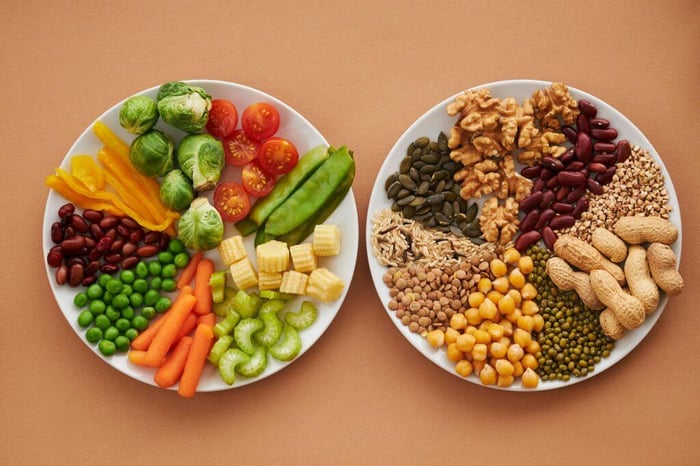
Sources: Whole grains, vegetables, fruits, legumes, nuts, and seeds.
Recommended Intake: Women should aim for at least 21 grams per day, while men should target 30 grams.
Additional Benefits: Fiber helps regulate blood sugar levels, lowers cholesterol, and promotes a healthy gut microbiome.
2. Hydration
Inadequate hydration is a common cause of constipation in older people. Drinking adequate water helps soften stool and facilitates digestion.
Goal: Aim for eight glasses of fluids daily, with adjustments based on activity level, weather and health conditions.
Hydrating Foods: Cucumbers, watermelon, oranges, and soups can supplement fluid intake.
3. Probiotics and Prebiotics
Maintaining a healthy gut microbiome is essential for digestion and immunity.
Probiotic Sources: Yogurt, kefir, sauerkraut, kimchi, and fermented foods.
Prebiotic Sources: Bananas, garlic, onions, and asparagus.
Role of Probiotics: Probiotics help restore gut balance, particularly after antibiotic use or digestive illnesses.
4. Regular Physical Activity
Exercise stimulates digestion and reduces the risk of constipation.
Activities: Walking, yoga, stretching, and strength training.
Frequency: At least 30 minutes of moderate exercise most days of the week.
Additional Benefits: Physical activity also reduces stress, which is a contributing factor in conditions like IBS.
5. Mindful Eating Habits
Eating habits affect digestion as much as food choices.
Tips: Eat slowly, chew thoroughly, and avoid eating late at night.
Meal Structure: Smaller, frequent meals help prevent acid reflux and bloating.
Avoid Overeating: Large meals can overload the digestive system, leading to discomfort and heartburn.
6. Limiting Processed Foods and Alcohol
Highly processed foods and excessive alcohol consumption contribute to inflammation and gut imbalances.
Recommended: Reduce red meat, fried foods, and refined sugars.
Alcohol Limit: No more than one drink per day for women and two for men (as per CDC guidelines).
Effects of Alcohol: Excessive drinking can lead to ulcers, acid reflux, and liver-related digestive issues.
Treatment Options for Digestive Disorders
For seniors already experiencing digestive disorders, the following treatments may be necessary:
Medications: Antacids, laxatives, or prescription drugs may be required for acid reflux, constipation, or IBS.
Medical Procedures: Colonoscopies help detect polyps and colorectal cancer early.
Dietary Modifications: A diet tailored to specific conditions (e.g., low FODMAP for IBS) can alleviate symptoms. FODMAP is an acronym for fermentable oligosaccharides, disaccharides, monosaccharides, and polyols, which are short-chain carbohydrates that the small intestine can’t absorb very well, potentially leading to digestive issues for some people.
Surgical Interventions: In cases of severe diverticulitis or colorectal cancer, surgery may be needed.
The Importance of Routine Colon Screenings
Early detection of colon-related diseases can save lives. The American Cancer Society recommends that individuals over 45 undergo regular colon screenings, with more frequent tests for those at higher risk.
Conclusion
Good digestive health is achievable by making sensible lifestyle choices and having regular medical check-ups, particularly for people over the age of 50. Hippocrates, the father of modern medicine, is reputed to have coined the phrase, “All disease begins in the gut.” Although not strictly medically true, this does highlight the importance of digestive well-being as one of the most important elements of overall health.
The LL Medico philosophy resonates with this. With 30 years of experience in the senior care market, we have accumulated a wealth of knowledge and a comprehensive range of products for age-related health issues. Digestion is no exception. We offer a selection of all the leading brands of nutritional supplements and meal replacements so you can optimize your nutrition.
We can also assist with other senior care products such as adult diapers, mobility aids, and the like to get you out and about with confidence and comfort. Call us today to discuss your options. We’re available at (855) 422-4556 or you can mail us at support@llmedico.com. Between 9 am and 3pm Monday through Friday, we’re also available for an online chat.