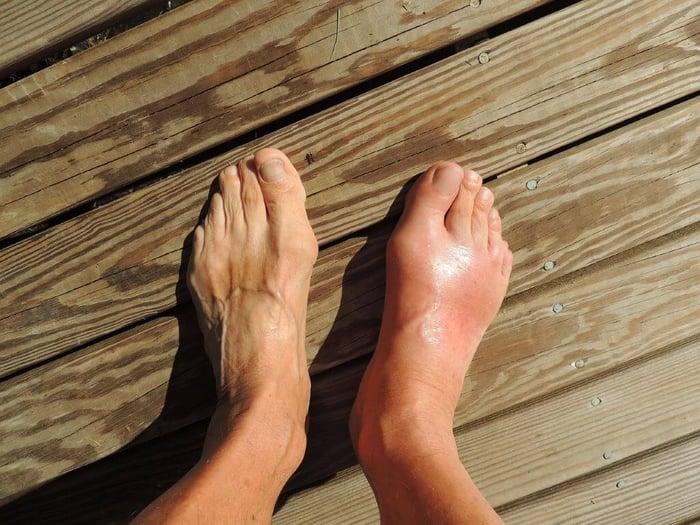

Gout is a painful form of inflammatory arthritis caused by elevated uric acid levels in the bloodstream. The excess uric acid crystallizes and accumulates in the joints, often triggering intense pain, swelling, and redness. Older adults are particularly susceptible to gout and related uric acid issues due to age-related physiological changes.
A study published in the National Library of Medicine, using data from more than 5,000 participants between 2015 and 2016, found that 3.9% of the population, or 9.2 million people, suffered from gout. The prevalence among men was almost twice as high as among women and was also significantly higher among older people. Furthermore, around 20% of the population was found to have elevated uric acid levels, or hyperuricemia.
In this edition of the Caregiver Guide series, we aim to provide caregivers with comprehensive information on managing gout and uric acid problems in aging patients, covering causes, risks, and effective management strategies.
The Aging Body and Uric Acid
The link between age and elevated uric acid levels is convoluted. Kidney function naturally declines with age, reducing the body's ability to efficiently eliminate uric acid. Furthermore, older adults are more likely to have comorbidities like kidney disease, diabetes, and cardiovascular conditions, which can further impair uric acid excretion.
Here are some key factors highlighting the increased prevalence and impact of gout and uric acid issues in older adults:
- General Age-Related Changes: Lifestyle changes such as dietary and exercise habits, increased use of medications, particularly diuretics, and an increase in obesity prevalence all contribute to an increasing incidence of gout as age advances.
- Kidney Function Decline: Estimated glomerular filtration rate (eGFR), a measure of kidney function, declines by approximately 1 mL/min/1.73 m2 per year after age 40, directly impacting uric acid clearance.
- Comorbidity Risk: Older adults with gout are at a significantly higher risk of developing cardiovascular disease, highlighting the systemic impact of elevated uric acid.
Understanding the Causes and Risk Factors
Several factors contribute to elevated uric acid levels and gout in older adults:
- Dietary Factors: A diet high in purines, found in red meat, organ meats, seafood, and sugary drinks, can increase uric acid production.
- Alcohol Consumption: Alcohol, particularly beer and liquor, can impair uric acid excretion and increase its production.
- Medications: Certain medications, like diuretics, can increase uric acid levels.
- Genetic Predisposition: A family history of gout increases an individual's risk.
- Dehydration: Dehydration can concentrate uric acid in the blood, increasing the risk of crystallization.
- Medical Conditions: Conditions like kidney disease, diabetes, obesity, and metabolic syndrome can contribute to elevated uric acid levels.
Potential Consequences of Untreated Uric Acid Issues
Uncontrolled high uric acid levels and recurrent gout attacks can lead to serious consequences:
- Chronic Gout: Recurrent gout attacks can lead to chronic gout, characterized by persistent joint pain and inflammation.
- Tophi Formation: Uric acid crystals can form deposits called tophi in the joints, tendons, and surrounding tissues, causing deformities and pain.
- Kidney Stones: High uric acid levels can increase the risk of kidney stone formation.
- Kidney Disease: Chronic hyperuricemia can contribute to kidney damage and worsen existing kidney disease.
- Cardiovascular Disease: Studies have shown a link between elevated uric acid levels and an increased risk of cardiovascular disease.
- Reduced Mobility and Quality of Life: Gout pain and joint damage can significantly impact mobility and quality of life, especially in older adults.
Managing Gout and Hyperuricemia
Effectively managing gout and uric acid problems in older adults requires a comprehensive approach that addresses lifestyle factors, dietary habits, and, in some cases, medication. Caregivers play a crucial role in supporting older adults in these efforts.
1. Lifestyle Modifications:
- Weight Management: Maintaining a healthy weight or losing weight if overweight or obese can significantly reduce uric acid levels.
- Hydration: Drinking plenty of water helps dilute uric acid and promote its excretion. Caregivers should encourage older adults to stay well-hydrated throughout the day.
- Regular Exercise: Moderate-intensity exercise can help improve overall health and reduce the risk of gout attacks. Consult with a doctor to determine appropriate exercises for the individual's age and health condition.
2. Dietary Changes:
- Purine Restriction: Limiting purine-rich foods is crucial for managing uric acid levels. Caregivers should help older adults identify and avoid high-purine foods like red meat, organ meats, seafood (especially shellfish), and sugary drinks.
- Low-Fat Dairy: Low-fat dairy products have been shown to have a protective effect against gout.
- Complex Carbohydrates: Focus on complex carbohydrates like whole grains, fruits, and vegetables.
- Cherries: Cherries and cherry juice have been shown to have anti-inflammatory properties and may help reduce gout attacks.
3. Alcohol Consumption:
- Limit or Avoid Alcohol: Alcohol, particularly beer and liquor, can significantly increase uric acid levels.
4. Medication Management:
- Acute Gout Attacks: Medications like nonsteroidal anti-inflammatory drugs (NSAIDs), corticosteroids, and colchicine can be used to relieve pain and inflammation during acute gout attacks.
- Uric Acid-Lowering Medications: For chronic gout or recurrent attacks, medications like allopurinol or febuxostat can be used to lower uric acid levels. Caregivers should ensure that older adults take their medications consistently as prescribed by their doctor.
- Regular Monitoring: Regular blood tests to monitor uric acid levels and kidney function are essential for managing recurring or chronic gout.
5. Other Important Considerations:
- Managing Comorbidities: Effectively managing comorbidities like kidney disease, diabetes, and cardiovascular disease helps control uric acid levels and improve gout management.
- Foot Care: Caregivers should pay attention to foot care, as gout can affect the feet and toes.
Conclusion
Elevated uric acid levels and gout can be very challenging, particularly for older adults. However, it’s a condition that is almost entirely avoidable by following a healthy lifestyle and managing other age-related conditions. While aging may bring physiological changes that increase susceptibility, it does not dictate a life of chronic pain and disability.
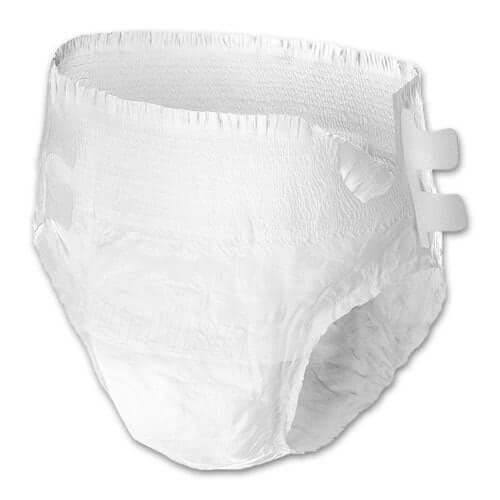
At LL Medico, we understand the challenges and discomfort that gout can bring. With 30 years of experience in the senior care field, we can provide a wide range of nutritional supplements to support a balanced and healthy diet and over-the-counter pain relief products for treating flare-ups. We also stock a vast selection of adult diapers for those older adults who may also be experiencing incontinence.
For a confidential discussion on products that would suit your circumstances, call our team today at (855) 422-4556 or email support@llmedico.com. Between 9 am and 3 pm from Monday to Friday, you can also reach us through online chat. We look forward to helping.
As Hippocrates wisely said, "The greatest medicine of all is teaching people how not to need it." The journey to managing gout and uric acid issues may require dedication and perseverance, but the rewards – reduced pain, improved mobility, and enhanced well-being – are immeasurable.