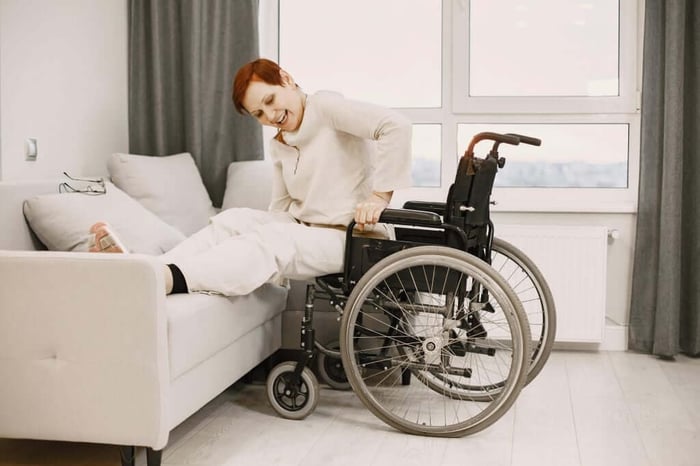

Most people, once they reach the golden years, start experiencing some measure of difficulty moving around. This would tend to make some daily activities, taken for granted in the younger years, a little more challenging now. And it does, for most people. But the challenge we’re dealing with here is not the shuffle from the armchair to the fridge.
In this article, we’re dealing with maneuvers that are a little riskier for someone with creaky joints and weakening muscles. We’re talking about transfers from one situation to another, like getting out of bed, climbing into the bathtub or sitting down on a standard-height toilet. Movements that can suddenly go horribly wrong if your strength fails you for an instant.
The risk, of course, that’s inherent in every transfer, is falling. Falls pose a significant threat to senior health in the United States. According to a National Council on Aging article, one in four Americans aged 65 and older falls each year. The article also includes these chilling statistics:
- Falls are the leading cause of fatal and non-fatal injuries among older adults, resulting in 3 million emergency department visits and 38,000 deaths in 2021
- The cost of treating fall injuries is expected to exceed $100 billion by 2030
- The estimated annual average cost per inpatient visit for falls injuries is $18,658 and $1,112 per emergency department visit.
Functional transfers are a major risk factor for falls among seniors. It’s not uncommon to manage walking reasonably well, yet to lose balance while standing up, pivoting, or lowering onto a toilet seat. These transitional moments require coordination, leg strength, balance, and confidence, all of which can decline with age. Reduced muscle strength, slower reflexes, and chronic health conditions can all increase fall risk during everyday movement.
Understanding Why Transfers Matter
Transfers are probably one of those movements you would never think about until they become difficult. Standing up from an armchair, shifting from bed to wheelchair, or lowering onto a toilet seat may take only seconds, but each requires multiple body systems working together.
When strength or balance deteriorate, those short transitions of body posture can suddenly become one of the most dangerous parts of the day. Falls don’t happen during long walks as much as they do during these brief but complex moments of movement.
Why Seniors Struggle with Transfers
Mobility and balance problems rarely have a single cause. More often, several factors combine, including:.
- Age-related muscle loss makes it difficult to arise from a low position
- Arthritic Joint pain can make movements painful.
- Neuropathy can limit foot sensation.
- Dizziness from medication or dehydration may affect balance.
- Cognitive impairment can also make it harder to follow movement cues.
Even fear plays a role. Someone who has fallen before may become hesitant during more complex movements, increasing instability and the risk of a mishap.
Core Principles of Safe Transfers
Prepare Before You Move
A safe transfers begins before there is any actual movement and ends after movement has ceased. Rushing is often where problems start.
Take a moment to ensure that risks have been mitigated. Is the floor dry? Are there any rugs or clutter that can get in the way? Is there enough room to turn? Are mobility aids nearby and brakes locked if using a wheelchair?
A few seconds of preparation can prevent a great deal of trouble.
Communicate Clearly
Clear communication is very important, especially when someone has hearing loss or memory issues. Explain what is about to happen in simple language.
Try one instruction at a time:
- “Scoot forward.”
- “Place your feet flat.”
- “Lean forward.”
- “Stand when you’re ready.”
Too many instructions at once can create confusion.
Let Them Do as Much as They Can
A common mistake is when a caregiver does all the lifting. The safest transfer is one where the older adult participates as much as possible.
Encourage pushing with the hands, using the legs, and leaning forward. Even limited participation reduces strain on the caregiver and helps preserve strength.
Protect Your Own Body
Caregivers are frequently injured while helping others move. Back strain is especially common.
Keep your feet shoulder-width apart, bend at the knees rather than the waist, and stay close to the person. Avoid twisting while lifting or turning. Move your feet instead of rotating your spine.
If a transfer feels beyond your ability, it probably is. Use equipment or ask for help.
Safe Transfers from Bed
Moving from Lying to Sitting
Older people often feel dizzy if they rise too quickly. Start by helping them roll onto their side, then guide the legs over the edge of the bed while pushing up to a seated position. Pause for a few seconds once they’re sitting upright. Give them a moment to regain balance before standing.
This short pause can be especially important for those with low blood pressure or recent illness.
Standing from the Bedside
The lower the bed, the harder it is to stand up. If adjustable, raise the bed to a level where the feet rest flat on the floor, and the knees are slightly bent.
Ask the person to:
- Scoot toward the edge
- Place feet firmly under the knees
- Lean forward
- Push up through hands and legs
Once standing, pause again before walking.
Safe Transfers from a Chair
Why Chairs Cause Trouble
Soft couches and deep recliners can be difficult because they place the hips below the knees, making it harder to stand. Chairs with arms are usually much safer.
If possible, choose firm seating with stable armrests.
Rising Safely
Rather than pulling someone upward by the arms, encourage them to bring their nose over their toes—leaning forward shifts weight correctly for standing.
Then they can push from the chair arms while straightening the legs.
If they need help, guide from the side or use a gait belt rather than pulling on shoulders or hands.
Bathroom Transfers
Why the Bathroom Is High Risk
Bathrooms combine several hazards at once:
- Hard surfaces
- Tight spaces
- Water and slippery floors
- Urgency to move quickly
- Low toilet seats
That combination makes caution essential.
Toilet Transfers
Whenever possible, use grab bars or a raised toilet seat. Raised seats reduce the distance required to sit and stand and grab bars provide extra stability during the movement.
Encourage the person to back up until they feel the toilet against the legs, reach for stable supports, and lower slowly. Sudden dropping can lead to injury.
Standing up follows the same pattern: feet planted, lean forward, push through arms and legs.
Shower and Tub Transfers
Tubs are particularly challenging because stepping over a high edge requires balance and leg strength.
A transfer bench or shower chair can greatly improve safety. Non-slip mats and handheld shower heads also help.
If stepping into a tub feels uncertain, it may be time to switch to safer alternatives rather than risking a fall.
Helpful Equipment That Makes a Difference
People almost always wait too long before using assistive tools, often because they associate them with weakness or failure. In truth, these tools help preserve independence.
Useful options include:
- Grab bars
- Raised toilet seats
- Transfer benches
- Gait belts
- Walkers with brakes
- Adjustable beds
- Lift chairs
The right equipment can turn a dangerous struggle into a manageable routine.
Warning Signs That a Transfer Plan Needs to Change
As people get older and mobility and balance problems evolve, yesterday’s method may suddenly no longer work safely today.
Watch for signs such as:
- Frequent near-falls
- Increased need to pull on furniture
- Complaints of dizziness when standing
- Caregiver strain or back pain
- Fear or refusal to transfer
These changes often mean it is time to reassess.
Conclusion
Being able to facilitate safe transfers is one of the unsung heroes of the caregiver’s skills portfolio. They have a far bigger impact on the daily life of older adults than anyone would imagine. Reducing fall risk prevents unnecessary injuries, eases caregiver stress, and help older adults remain active participants in their own routines. A seemingly simple movement but often a gateway to independence.
At LL Medico, we understand that everyday care happens in these practical moments. from bathroom safety products to assistive mobility devices, to everyday essentials like adult diapers and protective underwear, we aim to help families create safer homes and smoother routines, so care feels less like a struggle and more like a partnership.
For a confidential chat about how our range of care products can help make your caregiving journey a little easier, call us today at (855) 422-4556 or email support@llmedico.com. Our experienced assistants are always ready to help.
And, in closing, the words of 19th century orator Robert Ingersoll resonate, “We rise by lifting others.” Sometimes the most powerful act of support is simply helping someone stand with confidence.