


 855-422-4556
 Chat
Chat E-Mail
 Monday - Friday 9:00AM to 5:00PM EST

When we think or talk about getting older, what are the issues that come up first or most frequently? We tend to worry about the increased risk of hypertension, type 2 diabetes, cardiac issues, cancer and dementia. Few people will consider the impact that aging has on muscle mass.
The truth is, though, that aging naturally causes loss of muscle, known as sarcopenia, unless we take steps to prevent it. This can adversely affect strength, mobility, and overall health. Without intervention, most older people will experience a gradual decline in muscle function, leading to increased frailty and a higher risk of injury.
According to a National Library of Medicine publication, adults can lose between 3% and 8% of their muscle mass per decade after the age of 30 and an article by the University of Texas Southwestern Medical Centre reports that sarcopenia affects up to 45% of adults over 65, increasing the risk of falls and fractures. Understanding the importance of strength training and taking proactive steps can help maintain muscle mass and preserve quality of life.
The Effect of Aging on Muscle Mass
There are a number of diverse factors that cause or aggravate sarcopenia. Let’s take a look at them:
Reduced Activity Levels: Many older adults become less active over time, leading to muscle atrophy from disuse.
Hormonal Changes: A decline in growth hormone and testosterone reduces the body’s ability to build and maintain muscle mass.
Nutritional Deficiencies: Inadequate protein intake and essential nutrients like vitamin D and magnesium contribute to muscle deterioration.
Mobility and Joint Issues: Arthritis and other joint problems can discourage physical activity, exacerbating muscle loss.
Chronic Illnesses: Conditions like diabetes and cardiovascular disease can accelerate muscle atrophy by affecting circulation and metabolic function.
Short and Long-Term Effects of Reduced Muscle Mass
The consequences of muscle loss extend beyond physical appearance and strength. Some key short-term and long-term effects include:
Short-Term Effects
Decreased strength and endurance
Reduced ability to perform daily activities (e.g., climbing stairs, carrying groceries)
Poor balance and increased fall risk
Long-Term Risks
Increased susceptibility to fractures and osteoporosis
Higher risk of developing metabolic disorders like type 2 diabetes
Reduced independence and increased reliance on caregivers
Longer recovery times from injuries and surgeries
The Role of Nutrition in Muscle Maintenance
While strength training is essential for maintaining muscle, proper nutrition is equally vital. The following dietary guidelines can support muscle health:
Adequate Protein Intake: The Recommended Dietary Allowance (RDA) for protein is 0.8 grams per kilogram of body weight, but older adults may benefit from consuming 1.2 to 2.0 grams per kilogram to support muscle synthesis.
Essential Nutrients: Calcium, vitamin D, and magnesium support bone and muscle function.
Healthy Fats: Omega-3 fatty acids help reduce inflammation and support muscle recovery.
Hydration: Dehydration can impair muscle function, so it’s crucial to drink enough water daily.
Strength Training Strategies for Building and Maintaining Muscle
Engaging in strength training exercises at least 2-3 times per week can significantly slow or reverse muscle loss. Here are effective methods to build and maintain muscle:
1. Resistance Training
Using resistance (weights, resistance bands, or body weight) stimulates muscle growth and prevents atrophy.
Dumbbell Exercises: Bicep curls, shoulder presses, and squats.
Bodyweight Exercises: Push-ups, lunges, and planks.
Resistance Bands: Suitable for those with joint issues or limited mobility.
2. Progressive Overload
Gradually increasing resistance ensures continuous muscle growth. This can be done by:
Increasing weights
Adding more repetitions or sets
Reducing rest time between exercises
3. Compound vs. Isolation Exercises
Compound Exercises: Engage multiple muscle groups (e.g., squats, deadlifts, bench presses).
Isolation Exercises: Target specific muscles (e.g., leg curls, bicep curls).
A combination of both types maximizes strength and muscle retention.
4. Functional Strength Training
Exercises that mimic daily activities help maintain independence:
Step-ups (for stair climbing)
Farmer’s Carry (for grip strength and carrying groceries)
Chair Squats (for standing up and sitting down easily)
5. Balance and Stability Training
Falls are a significant concern for older adults, making balance exercises essential:
Single-leg stands
Heel-to-toe walking
Tai Chi and Yoga (for flexibility and core strength)
6. Advanced Strength Training Techniques
For those who want to further enhance their muscle growth and endurance, the following advanced techniques can be incorporated:
Supersets: Performing two exercises back-to-back without rest.
Drop Sets: Reducing weight after muscle fatigue to continue repetitions.
Time Under Tension (TUT): Slowing down repetitions to increase muscle activation.
Eccentric Training: Focusing on the lowering phase of an exercise (e.g., slowly lowering during a bicep curl).
These strategies help stimulate muscle fibers and encourage greater adaptation over time.
Other Key Lifestyle Considerations for Muscle Health
1. Recovery and Rest
Adequate sleep and rest days between workouts allow muscles to repair and grow.
2. Stress Management
Chronic stress increases cortisol levels, which can lead to muscle breakdown. Techniques like meditation, deep breathing, and social engagement help manage stress.
3. Avoiding Muscle-Wasting Habits
Excessive alcohol consumption can impair protein synthesis.
Smoking reduces circulation and impairs muscle recovery.
A sedentary lifestyle accelerates muscle loss—staying active is crucial.
Conclusion: The Power of Strength and Perseverance
Strength training is not just about building muscles; it’s about maintaining independence, vitality, and overall well-being. At LL Medico, we believe that no matter your age, it is never too late to start. We encourage you to incorporate resistance training, proper nutrition, and a commitment to staying active in order to preserve strength, enhance mobility, and enjoy a healthier, more vibrant life.
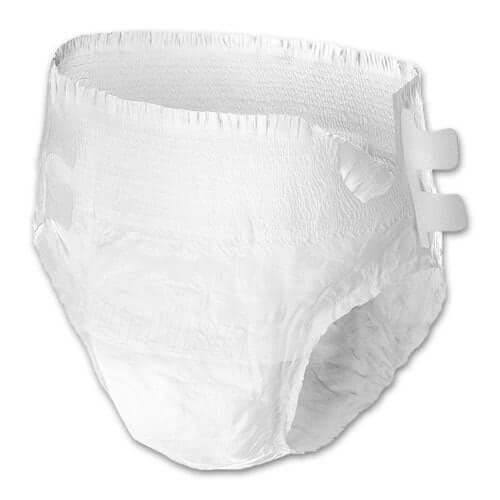
Should mobility be an issue, we can provide a range of mobility aids to help you get around. And don’t let incontinence keep you housebound. Our extensive range of adult diapers will keep you confidently and discreetly mobile. And last but not least, we can also top up any of your nutritional shortcomings with a selection of supplements and meal replacements.
To discuss with us how we can support you, speak to one of our team members today. We’re available at (855) 422-4556 or via online chat between 9 am and 5 pm Monday through Friday. Alternatively, you can drop us a line at support@llmedico.com. We’d love to hear from you.
As Muhammad Ali once stated, “Don’t count the days, make the days count.” Every workout, every meal, and every ounce of effort you make towards building or maintaining your strength is an investment in a confident and energetic future.

 Shopping With LL Medico
 855-422-4556