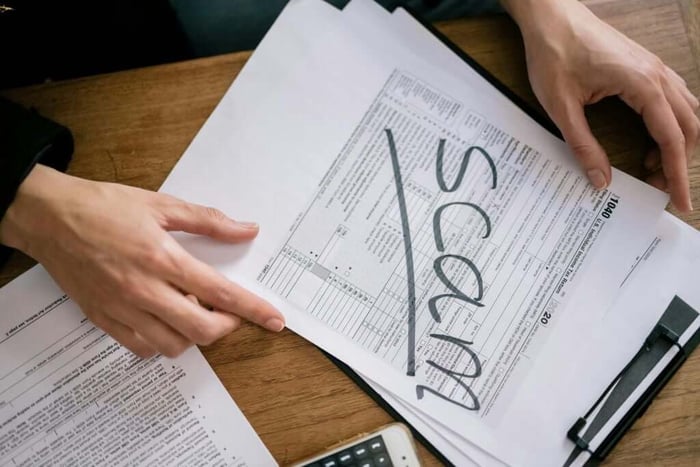

Growing older comes with wisdom, life experience, and often a well-earned sense of stability. Unfortunately, it also brings an increased risk of becoming a target for fraud. Elder fraud is a growing concern in the United States and around the world, with scammers employing ever more sophisticated tactics to separate older adults from their savings.
According to an FBI Internet Crime Complaint Center (IC3) fraud report, adults over 60 reported losses exceeding $3.4 billion in 2023 alone, an alarming 11% increase from the previous year. This troubling trend reveals both the scale and persistence of financial exploitation targeting seniors.
The reasons are many: older adults may have more substantial assets, may be less familiar with rapidly changing technology, and in some cases may be more socially isolated. Fraudsters see these vulnerabilities as opportunities. But knowledge is power. By learning how to recognize common scams, protect personal information, and seek help when necessary, older adults and their families can reduce the risk of falling victim to fraudsters who exploit trust and goodwill.
Common Scams Targeting Older Adults
Tech Support Scams
One of the most widespread tactics involves fraudsters posing as technical support agents. Victims may receive a pop-up warning on their computer or a phone call claiming that their device is infected with a virus. Once contact is made, scammers pressure the victim into granting remote access or paying for unnecessary “repairs.” Not only does this result in financial loss, but in many cases, it also compromises personal data.
Preventive tip: No legitimate tech company will contact you out of the blue. If you see a suspicious message, shut down your device and get help from a reputable local technician or family member.
Romance and Companion Scams
Loneliness is a real issue for many older adults, and fraudsters exploit it by pretending to form romantic or friendly connections online. After gaining trust, the scammer invents crises — medical emergencies, travel expenses, or business troubles — and requests financial assistance. These schemes can devastate both finances and emotional well-being.
Preventive tip: Be wary of anyone who professes love or friendship quickly and asks for money. Reverse-image searches and slow, careful vetting of online acquaintances can provide a measure of safety.
Government and Imposter Scams
Scammers often pose as officials from the IRS, Social Security Administration, or Medicare, demanding immediate payments or threatening loss of benefits. The fear of losing access to essential income or healthcare makes these scams particularly effective.
Preventive tip: Government agencies never demand payment by gift card, wire transfer, or cryptocurrency. Hang up and call the official agency directly using a published number.
Healthcare and Prescription Scams
As healthcare costs rise, so do fraudulent offers for discount medications, medical equipment, or phony insurance coverage. Victims may pay upfront for items that never arrive or unknowingly provide sensitive health information that can be used for identity theft.
Preventive tip: Purchase medications only from verified pharmacies and consult your doctor before responding to any unsolicited healthcare offers.
Investment and Sweepstakes Scams
Promises of quick financial returns or guaranteed winnings are red flags. Many seniors are lured into fake investment schemes, including cryptocurrency, or are told they’ve won a lottery — but must pay taxes or fees before claiming the prize.
Preventive tip: If it sounds too good to be true, it almost always is. Verify investment opportunities through your bank or financial advisor before parting with money.
Why Older Adults Are Targeted
Fraudsters often assume that older individuals have steady retirement income, home equity, or life savings. In addition, cognitive decline or unfamiliarity with digital platforms can make it harder to spot scams quickly. Social isolation also plays a role: people without a strong support network may be more likely to respond to a persuasive phone call, email, or social media message.
But it’s important to stress: being scammed is not a sign of weakness or lack of intelligence. Even highly educated, financially savvy people are targeted and deceived. The blame lies solely with the fraudster.
Steps to Stay Protected
While scammers are creative, seniors and their families can take concrete steps to build strong defenses:
Stay skeptical of urgency — Fraudsters thrive on pressure. If someone insists you must act immediately, it’s almost certainly a scam.
Strengthen passwords and digital hygiene — Use strong, unique passwords and consider a password manager. Enable two-factor authentication on accounts whenever possible.
Guard personal information — Never give out Social Security numbers, bank details, or Medicare numbers over the phone unless you initiated the call.
Monitor financial accounts — Review bank and credit card statements regularly for unusual activity. Many banks offer fraud alerts that can flag suspicious transactions in real time.
Share openly with trusted people — Talking about questionable messages or offers with a family member or friend is one of the best defenses.
Educate continuously — Elder fraud evolves. Staying updated on the latest scams through reliable sources like the Federal Trade Commission (FTC) or AARP Fraud Watch Network can make a critical difference.
What to Do if You’ve Been Targeted
Even the most cautious person may fall victim. If it happens, immediate action is key:
- Report to the FTC at reportfraud.ftc.gov.
- Contact the FBI’s Internet Crime Complaint Center (IC3) if the scam involved online activity.
- Call the National Elder Fraud Hotline (1-833-FRAUD-11) for free assistance from trained case managers.
- Notify your bank or credit card provider to freeze accounts and dispute fraudulent charges.
- Involve local law enforcement to create a record of the crime.
Taking quick steps may not always recover funds, but it can prevent further losses and help authorities track criminal networks.
Community and Legal Resources
Many organizations are stepping up to protect seniors:
- AARP Fraud Watch Network offers up-to-date scam alerts and a helpline (877-908-3360).
- State Attorney General Offices often run outreach programs and take fraud complaints.
- Local senior centers and libraries frequently host free workshops on digital literacy and fraud awareness.
- Financial institutions are increasingly trained to spot unusual activity in senior accounts and may intervene to stop fraudulent transfers.
These resources remind us that no one needs to navigate fraud concerns alone — community and institutional support are vital.
Final Thoughts
At LL Medico, we urge older adults, their caregivers and their family members to be extra vigilant against elder fraud. We also remind customers that we will never ask for personal or financial information via a link or an email.
Whether you’re buying adult diapers, over-the-counter medications or diabetic supplies, the only information we ask for is what we need to open your account, fill out an order, and to process your payment through our secure payment gateway. This information is requested only on our website. If you have any questions, please call us at (855) 422-4556 or email support@llmedico.com. LL Medico, your trusted partner in senior care.
Elder fraud is a serious and growing problem, but it isn’t insurmountable. With vigilance, education, and support, older adults can maintain both financial safety and peace of mind. In the words of Benjamin Franklin, “An ounce of prevention is worth a pound of cure.” Fraudsters may be clever, but knowledge, preparedness, and strong community ties remain more powerful.