
Creative engagement in later life is not just a delightful pastime; it’s a powerful force for well-being. A systematic review of 93 studies published in the National Library of Medicine found that group-based creative activities such as dance, music, and visual arts enhance both physical health and emotional well-being in older adults, improving balance, strength, cognition, mood, and social connectedness.
Loneliness, depression, and stress diminish significantly when seniors engage in creative pursuits; Ireland’s TILDA report revealed that older adults regularly taking part in creative hobbies enjoyed a higher quality of life and lower levels of loneliness and depression.
Music—particularly playing instruments or singing—has also been linked to better memory, planning, and multitasking in older adults. One recent study published in The Guardian found that seniors who played the piano or sang scored higher on cognitive function tests.
These findings highlight a vital truth: creativity is not a luxury in later life—it’s a guardrail for mental, physical, and emotional resilience. Just as exercise keeps the body fit, creativity nourishes the mind and spirit.
Why Creativity Still Counts After 65
Creativity isn’t solely reserved for young or highly trained artists. Research shows creative thinking remains largely stable with age, even in older adults who don't show significant cognitive decline. In fact, one longitudinal study published by Springer Nature found no significant decline in creativity among individuals tested at age 70 and again thirteen years later.
Regular creative activities can also delay cognitive decline. A study in Portugal linked frequent engagement in artistic pursuits—such as painting, writing, or music—to sharper cognition among people aged 65 to 90. This suggests that creative hobbies act like mental workouts, strengthening neural pathways in much the same way puzzles or reading do.
There’s also an element of resilience. Creative expression offers a meaningful outlet amid physical or cognitive limitations, helping individuals navigate life transitions such as retirement, bereavement, or relocation. Whether it’s keeping a sketchbook during recovery from surgery or joining a choir after moving to a new community, creativity provides a stabilizing anchor and fosters a sense of continuity.
Creative Activities and Their Benefits
Dance & Movement
Dance combines physical exercise with music and social interaction. Studies link it to enhanced balance, flexibility, and aerobic fitness in older adults, capabilities that help reduce fall risk. Dance also boosts mood, lowers blood pressure, and provides a sense of accomplishment.
Popular styles among seniors include ballroom, line dancing, and even seated “chair dancing,” which adapts choreography for those with limited mobility. Many senior centers and community halls now host regular dance socials, turning health maintenance into a joyful experience.
Music & Singing
Music uniquely activates multiple areas of the brain. Whether singing in a choir, learning to play an instrument, or simply drumming along to a rhythm, musical engagement supports memory, processing speed, and executive function. Group singing in particular has been shown to ease symptoms of anxiety, increase lung capacity, and create powerful social bonds. Many retirement communities host “music circles” where participants sing or play simple percussion instruments, proving you don’t need formal training to reap the rewards.
Visual & Creative Arts
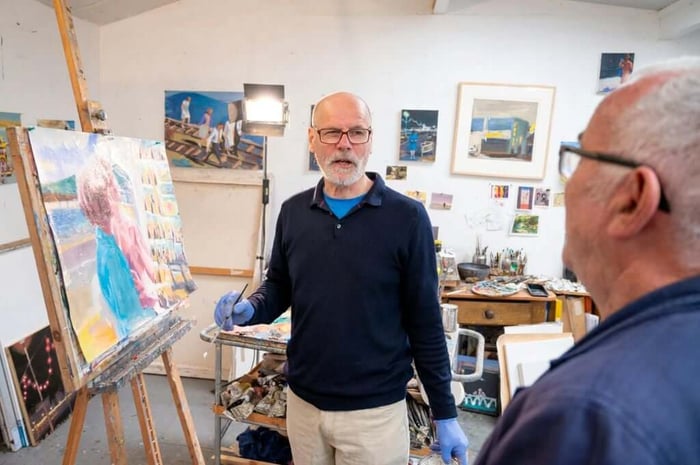
Painting, sculpting, knitting, or crafting reduce loneliness and nurture community connections. These activities can be easily adapted for physical limitations. For example, adaptive brushes with larger grips make painting accessible for people with arthritis. Beyond individual practice, group art classes create supportive environments where participants share techniques and encourage one another.
Theater, Storytelling & Drama
Storytelling and drama encourage older adults to explore new roles and perspectives. Drama workshops improve mood, self-confidence, and communication skills. Storytelling, whether oral or written, allows seniors to preserve personal and cultural histories. Intergenerational projects, where seniors share stories with younger participants, are particularly meaningful, creating bridges between age groups while reinforcing identity and purpose.
The Power of Culture
Cultural participation—attending concerts, exhibitions, or theatre. offers measurable health benefits. Studies show that older adults who regularly attend cultural events report better cognitive function, fewer symptoms of depression, and even reduced healthcare costs due to lower stress and greater social integration. Even passive participation, such as listening to live music, can have positive physiological effects, including reduced cortisol levels and improved immune response.
The Science Behind Creative Aging
Creativity stimulates neural plasticity—the brain’s ability to form new connections. Engaging in painting, music, or drama strengthens cognitive flexibility and builds “cognitive reserve,” which helps delay dementia symptoms.
Mental stimulation outside the arts also plays a role. For example, a study found that spending two hours online daily was linked to nearly a 50% lower risk of dementia in older adults. The principle is the same: engaging the brain in meaningful, stimulating activity preserves function.
Creativity also lowers stress hormones. Just 45 minutes of art-making significantly reduces cortisol, regardless of skill level. Similarly, singing in groups has been shown to raise oxytocin—the “bonding hormone”—helping participants feel more connected and emotionally uplifted.
Practical Pins: Bringing Creativity into Daily Life
Create a mini-arts schedule A rotation of daily music, weekly crafts, and monthly cultural outings helps sustain variety.
Tap into community resources, Libraries, senior centers, and nonprofits frequently host free or low-cost art and music workshops.
Mix creativity with routine tasks. Try writing a poem about your garden or photographing meals before dinner. Small acts add up.
Simplify with adaptive tools. From ergonomic paintbrushes to digital tablets with stylus pens, adaptations remove barriers.
Use tech for creative exploration. Apps like virtual pianos, digital painting tools, or storytelling platforms allow at-home engagement.
Pair creativity with socialization. Joining a local choir or knitting circle doubles the benefits by promoting social bonds.
Consider creative volunteering. Seniors can mentor youth in arts programs or teach crafts at community centers, enriching both parties.
Creativity Beyond Therapy: Growth, Purpose, Connection
Creative expression is not about performance. It’s about identity, adaptability, and human connection. A review highlighted how creativity reframes aging from decline to discovery, encouraging older adults to embrace curiosity and purpose.
Studies confirm that seniors who regularly engage in creative activities report higher life satisfaction and stronger social networks. Creativity strengthens bonds, whether through collaborative art, choir singing, or storytelling circles, and offers a sense of legacy—passing down experiences and wisdom to future generations.
Conclusion
Creativity is not optional, it’s essential. In the words of Pablo Picasso, “It takes a very long time to become young.” By embracing music, art, dance, or cultural experiences, seniors not only enrich their own lives but also inspire those around them. Creativity is not about masterpieces; it is about joy, connection, and vitality. After 65, the canvas is still very much open. And every brushstroke counts.
At LL Medico, we believe in the value of creativity to enhance mental resilience and overall quality of life. While we can’t provide musical instruments or arrange choir sessions, we can remove some of the barriers that may discourage older adults from participating in creative activities.
For example, adult diapers and urology devices preserve confidence and dignity in people with incontinence, while mobility aids help people get around more easily so they can pursue these activities. Call us today at (855) 422-4556 or email support@llmedico.com and let us help you get out there.