
Caring for older adults can be as challenging as it is rewarding. While much of caregiving involves companionship, medication management, and daily assistance, another very important responsibility is ensuring proper nutrition.
As people age, maintaining a healthy diet becomes more difficult. Health conditions, swallowing difficulties, or recovery from surgery can make mealtimes more of a struggle than a pleasure. That is where enteral feeding (tube feeding) and dietary supplements come in. Not as last resorts, but as valuable tools to help maintain health, dignity, and quality of life.
It can come as a shock when a doctor first mentions tube feeding or suggests supplementing meals with shakes. Suddenly, a simple, enjoyable meal takes on a more medical and technical dimension. Yet, with understanding, patience, and the right perspective, caregivers can transform this change into a practical and compassionate extension of daily care.
Why Nutrition Matters So Much in Later Life
Nutrition is not simply about calories. For seniors, it underpins energy, strength, immunity, and even mental sharpness. Malnutrition among older adults is more common than many realize. Estimates vary based on parameters, but an Alliance for Aging Research report suggests that up to 65% of hospitalized older adults could be malnourished or a risk of malnutrition.
The effects can be profound. Inadequate nutrition can slow healing, weaken immunity, and increase the risk of falls or hospital readmission. Proper nutrition, on the other hand, has been shown to improve recovery, reduce complications, and enhance overall well-being. For caregivers, ensuring consistent nutrition is not just about extending life—it’s about improving the quality of each day.
What Is Enteral Feeding?
Enteral feeding, often called tube feeding, delivers nutrition directly to the stomach or small intestine. This method is recommended when swallowing is unsafe or too difficult, but the digestive system is still functioning.
Common types include:
- Nasogastric (NG) tube – Inserted through the nose into the stomach; typically short-term.
- Gastrostomy (G-tube) – Placed directly into the stomach through the abdominal wall; designed for longer use.
- Jejunostomy (J-tube) – Inserted into the small intestine; used when stomach feeding isn’t possible.
Each tube delivers a carefully balanced formula containing proteins, carbohydrates, fats, vitamins, and minerals. According to a ResearchGate publication, it’s estimated that almost 250,000 adults in the U.S received home enteral nutrition in 2013. Based on the trend between 1992 and 2013, this number is expected to be significantly higher now.
Nutritional Shakes: A Simpler Supplement
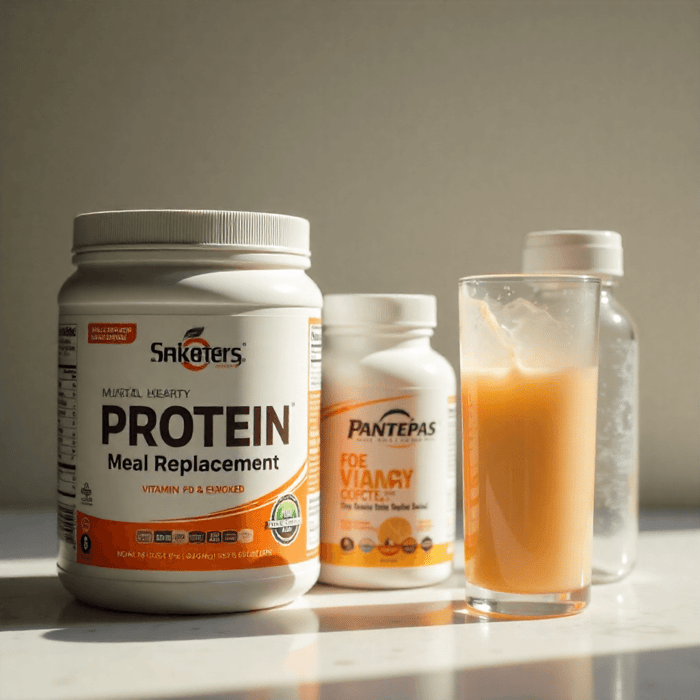
Not every senior requires a feeding tube. Sometimes, the challenge is more subtle—reduced appetite, difficulty chewing, or simply not eating enough. In these cases, oral nutritional supplements (ONS), better known as nutritional shakes, can fill the gap.
These ready-to-drink options are fortified with calories, protein, and essential nutrients. They are widely used: Data from the National Health and Nutrition Examination Survey in 2017 and 2018 show that almost 75% of adults over 60 used one or more dietary supplements within a preceding 30-day period.
Shakes are particularly useful for:
- Seniors recovering from illness, surgery, or hospitalization.
- Older adults with poor appetite due to medications or chronic illness.
- Those who need extra protein to preserve muscle mass.
Caregivers often find shakes to be a convenient and stress-free way to encourage nourishment without overwhelming their loved one.
Practical Caregiver Tips for Enteral Feeding and Shakes
Get Proper Training
Hospitals and home health nurses usually provide demonstrations on tube use, cleaning, and troubleshooting. Don’t hesitate to ask questions until you feel confident. Caregivers are the first line of defense in ensuring safe and effective feeding.
Keep a Feeding Schedule
Tube feeds may run continuously via a pump or be given in boluses (similar to meals). Consistency matters for digestion. With shakes, spreading intake across the day rather than all at once can prevent discomfort and improve absorption.
Monitor for Red Flags
Watch for nausea, vomiting, diarrhea, or signs of infection at the tube site. With shakes, keep an eye on sugar content (especially for diabetics) and avoid relying on them as the sole source of nutrition unless directed by a doctor.
Don’t Neglect Oral Health
Even when nutrition bypasses the mouth, oral hygiene is still essential. Brushing teeth or rinsing the mouth reduces bacteria and helps seniors feel fresher and more comfortable.
Incorporate Dignity and Routine
Tube feeding may look clinical, but mealtimes don’t need to lose their warmth. Sitting at the table together, offering small tastes if safe, or sharing a shake maintains social connection and dignity.
Personalize the Approach
Dietary supplements and formulas don't necessarily all work for every senior. Some may prefer warm vanilla, others chilled chocolate. A little trial and error goes a long way toward making nutrition enjoyable.
Financial and Practical Considerations
- Insurance Coverage: Some insurance plans, including Medicare, cover certain enteral feeding supplies when prescribed by a doctor. Nutritional shakes, however, are often out-of-pocket unless deemed medically necessary.
- Storage and Preparation: Tube feeding formulas and dietary supplements must be stored correctly and used within recommended timeframes. Shakes are easier to store but should not be substituted for water or whole foods without guidance.
- Cost Management: Generic or store-brand shakes often provide similar nutrition at lower cost. Bulk ordering may also reduce expenses.
Conclusion
Adjusting to tube feeding or dietary supplements is never easy, but it doesn’t mean that mealtime joy has to vanish. With knowledge, patience, and creativity, caregivers can ensure their loved ones not only stay nourished but also feel valued and cared for. These feeding methods are not about loss; they are about adaptation, resilience, and the ongoing commitment to quality of life.
At LL Medico, we have, over 30 years, learned a lot about the challenges of aging, including nutrition issues. We have researched numerous products and built up an inventory comprising all the top brands of dietary supplements and meal replacements. Visit llmedico.com and browse around.
While you’re visiting, remember, we also stock a comprehensive range of adult diapers, over-the-counter medications and more. Call us today at (855) 422-4556 or email support@llmedico.com. Our experienced team can guide you through the daunting maze of selecting the best product options.
As Winston Churchill once said, “Healthy citizens are the greatest asset any country can have.” For caregivers, helping seniors achieve good nutrition—even in unconventional ways—is part of protecting that very asset.
Every sip, every formula, every carefully prepared feed is more than just nutrition—it is a caregiver’s way of saying, “I’m here for you.” And in the end, that message nourishes the soul as much as the body.