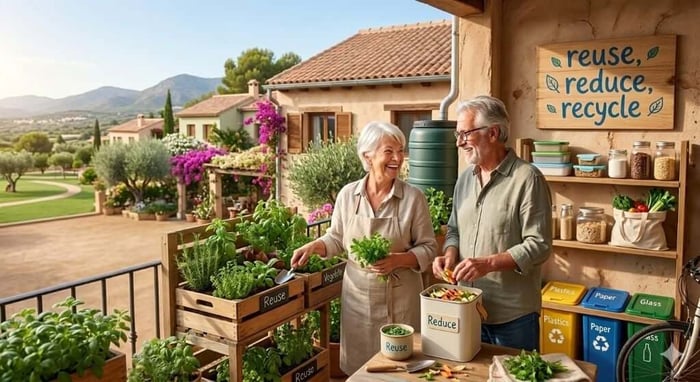

Sustainable living has, in recent times, been raised as a major concern for younger generations, a crucial strategy to avoid an impending ecological and climate disaster. While sceptics may laugh this off, many of us do, in many small ways, try to do our bit to help.
Older adults, in particular, are uniquely positioned to embrace sustainable practices. Many of us grew up in an era when repairing, reusing, conserving and preserving were, quite simply, just the way things were done. Today, these practical habits are becoming more and more commonplace, but this time as a response to environmental challenges and the ever-increasing cost of living.
Let’s take a quick look at the broader context of sustainability. According to a United States Environmental Protection Agency (EPA) fact sheet, Americans generated 292.4 million tons of municipal solid waste in 2018, averaging about 4.9 pounds per person per day. Half of this ended up in landfills.
Food waste is a significant concern. The United States Department of Agriculture (USDA) estimates that food waste accounts for 30–40% of the total U.S. food supply. While some of this waste is managed, a sizeable portion ends up in landfills, resulting in a substantial financial loss and environmental impact. Decaying food and other organic waste contribute substantially to the emission of methane, a potent greenhouse gas.
We may think that, individually, our efforts will make no difference in the greater scheme of things, but that would be very wrong. Every individual household matters. For every one of us, our seemingly insignificant personal sustainable choices can, collectively, make a meaningful impact. So, let us now look at some ideas for making a difference.
Sustainable Diet Choices
Growing Your Own Food
One of the most rewarding sustainable practices is producing some of your own food. Even modest efforts, such as a small vegetable patch, a container or two, or some herbs on a windowsill, reduce reliance on packaged, transported produce.
Home gardening also offers some important general health benefits:
- Increased access to fresh fruits and vegetables
- Physical activity through planting and harvesting
- Mental stimulation and stress reduction
Raised beds or container gardens can be adapted for mobility limitations. Community gardens also provide social engagement alongside fresh produce.
Composting Kitchen Waste
Composting is a practical way to reduce landfill waste while enriching soil. Fruit peels, coffee grounds, vegetable scraps, and eggshells can be diverted from trash and transformed into nutrient-rich compost.
For older adults with limited space, countertop compost bins or community composting programs can make participation a little easier. Composting not only reduces methane emissions associated with organic waste decomposition in landfills but also provides healthier soil for home gardens.
Choosing Seasonal and Local Foods
Buying seasonal produce locally reduces the environmental cost of long-distance transportation and refrigeration. Farmers’ markets and local food cooperatives often offer fresher products at better prices and with less packaging than grocery stores.
Another sustainable strategy is to buy products in bulk during peak season and to process and freeze them for future use. This reduces cost and waste without compromising nutritional value.
Sustainable Options in Senior Care Supplies
Healthcare and senior care often rely heavily on disposable products. While such care items are medically necessary, and disposable options offer greater convenience and sometimes up-front cost savings, there are certainly opportunities to reduce environmental impact.
Reusable Alternatives
Where medically safe and practical:
- Reusable absorbent products and underpads instead of single-use disposable versions
- Washable bed protectors
- Cloth cleaning cloths instead of disposable wipes for non-medical tasks
Reusable options can reduce recurring waste and often result in lower long-term costs.
Limiting Plastics and Non-Biodegradable Items
Plastic packaging is common in healthcare supplies. When possible, look for:
- Bulk purchasing options to reduce packaging
- Products packaged in recyclable materials
- Companies with environmental responsibility initiatives
For daily living items, water bottles, food storage containers, grocery bags and the like, switching to stainless steel, glass, or cloth alternatives significantly reduces single-use plastic consumption.
Medication and Packaging Disposal
Proper disposal of medications and medical packaging is part of sustainable care. The Food and Drug Administration (FDA) provides guidelines for safe drug disposal, including take-back programs that prevent environmental contamination. Proper drug disposal ensures that medications do not enter water systems or landfills. Packaging can then also be managed and kept out of the environment.
Recycling and Repurposing Everyday Items
Older generations are often masters of repurposing. Reviving those habits contributes directly to sustainability.
Examples include:
- Repurposing glass jars for storage
- Donating gently used clothing or medical equipment
- Repairing small appliances instead of replacing them
- Converting worn linens into cleaning cloths or shredding and composting them if they are free of synthetic materials.
Recycling and composting prevent millions of tons of material from being disposed of in landfills every year. This reduces environmental strain and extends the life of useful goods.
Energy and Water Conservation at Home
Sustainable living also involves mindful and responsible use of energy and water. We tend to take these utilities for granted, not considering the environmental impact of delivering them into our homes. A few simple adjustments can make a surprisingly big difference without impacting us in any negative way:
- Switch to LED lighting
- Install programmable thermostats
- Use cold water for laundry when appropriate
- Fix leaks promptly
- Where practical, harvest rainwater and greywater for use in the garden.
Transportation and Community Engagement
For older adults who drive less frequently, consolidating errands into fewer trips reduces fuel consumption. Exploring community transportation services or carpooling with neighbors can further reduce environmental impact.
Community involvement, whether in neighborhood cleanups or sustainability groups, provides social connection while contributing to shared goals.
The Financial Benefits of Sustainable Living
Sustainable choices often align with responsible budget management. Growing herbs at home, composting food scraps, conserving energy, and reusing household items can reduce ongoing expenses. For retirees on fixed incomes, sustainable living is not only environmentally responsible but economically practical.
Conclusion
Adopting sustainable living doesn’t require dramatic lifestyle overhauls. It’s more about steady, thoughtful adjustments and, for older adults, possibly nothing more than reviving old habits that gradually fell away during the age of convenience. These habits also offer an opportunity to reconnect many older adults with values they have long held, resourcefulness, stewardship, and care for future generations.
At LL Medico, sustainability is something we don’t take lightly. Although our market leans towards the convenience of disposable products and the efficiency of synthetic materials, many manufacturers are making a significant effort to promote sustainability.
For instance, with adult diapers, we offer sustainable reusable options or, for the disposable products, we have bulk packs that minimize packaging. Our nutritional drinks and meals are available in multi-pack formats that help save on the impact of shipping, while some of our skin cleansers come in gallon bottles.
To discuss how we can help you save and go even just a little greener, call us today at (855) 422-4556 or email support@llmedico.com. And, if you have any personal sustainable living tips or tricks related to this field, we’d love to hear from you. We’ll close with that very common environmental slogan, “There is no Planet B.” So, let’s all do our little piece to preserve the one we have.