
Mobility limitations are a common reality in later life, but they don’t have to put a damper on enjoyment, vitality and quality of life. According to a Centers for Disease Control and Prevention (CDC) report, almost 44% of adults aged 65 and older live with some type of disability, and mobility limitations are the most frequently reported.
Furthermore, a 2011/12 National Health and Aging Trends study found that 24% of Americans aged 65 or older use assistive devices such as canes, walkers, or wheelchairs to aid their daily mobility. With the ever-increasing life expectancy, this figure is probably significantly higher now.
Despite these challenges, research shows that even gentle, adapted exercises provide tremendous benefits: reducing pain, strengthening muscles, improving mood, and enhancing independence. The key lies in creativity—finding fun, safe, and engaging activities that adapt to each person’s abilities.
Why Movement Matters
Physical activity is one of the most powerful tools for preserving independence and quality of life, even for those with significant physical limitations. Exercise stimulates circulation, reduces the risk of chronic conditions like diabetes and hypertension, and helps regulate mood by releasing endorphins. For seniors with arthritis, Parkinson’s disease, or recovering from surgery, movement, even in modified forms, keeps joints flexible and muscles engaged.
Inactivity, by contrast, accelerates muscle loss, worsens balance, and increases the likelihood of falls. The good news is, though, that any movement is better than none. From structured exercises to simple daily habits like stretching or playing games with grandchildren, the goal is to stay engaged in enjoyable activities that promote both physical and emotional well-being.
Fun Activities for Mobility-Impaired Seniors
Chair Yoga and Stretching
Chair yoga adapts traditional yoga poses into seated versions, making it safe for those with balance or mobility challenges. It improves flexibility, circulation, and mental calm. Guided videos and senior center classes offer step-by-step routines. Even simple stretches—reaching overhead, bending side to side, or ankle circles—can make a meaningful difference.
Seated Strength Training
Using light dumbbells, resistance bands, or even household items like water bottles, seniors can perform strength exercises from a chair. Bicep curls, seated leg lifts, and shoulder presses help maintain muscle mass, which supports daily tasks like rising from a chair or carrying groceries. These exercises also improve bone density, lowering the risk of osteoporosis.
Water-Based Exercise
Aquatic activities are ideal because water provides buoyancy, easing joint pressure while offering gentle resistance. Many community centers and YMCAs offer adaptive water aerobics classes. For seniors in wheelchairs, pool lifts and ramps allow safe entry, making the water accessible and enjoyable. The soothing nature of water also relieves stress and encourages relaxation.
Tai Chi for Balance and Mindfulness
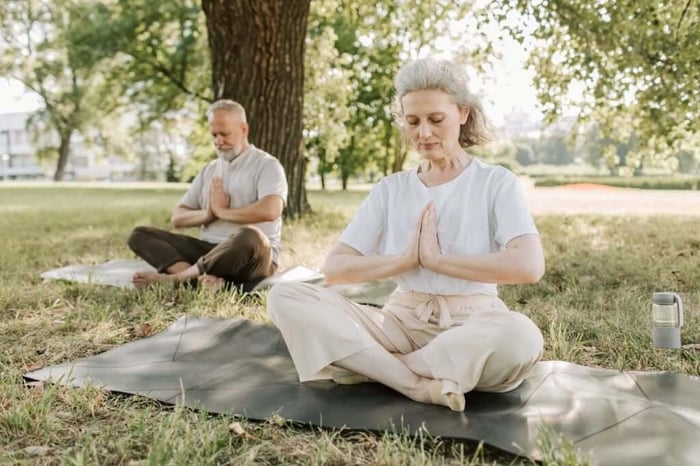
Tai chi, often called “meditation in motion,” has been shown to reduce fall risk and improve balance. For mobility-impaired seniors, modified versions can be done seated or with support. The flowing, rhythmic movements enhance focus, reduce anxiety, and improve posture. Group tai chi also offers a social component, which is beneficial for emotional health.
Adaptive Dance and Music-Based Movement
Dancing isn’t just for the able-bodied. Many adaptive dance programs allow seniors in wheelchairs to move rhythmically to music, tapping feet, swaying arms, or even choreographing routines. Music stimulates memory, lifts mood, and transforms exercise into pure enjoyment. Pairing music with movement also encourages greater adherence to regular physical activity.
Gardening in Raised Beds or Containers
Gardening can be adapted for limited mobility using raised garden beds, vertical planters, and ergonomic tools with long handles. Beyond light exercise, gardening engages the senses, provides exposure to fresh air, and offers the joy of nurturing plants. Even tending a few herbs on a windowsill delivers physical and emotional benefits.
Creative Arts and Crafts with Movement
Art-based activities can double as gentle exercise. Pottery strengthens hands and arms, weaving promotes dexterity, and painting large canvases encourages reaching and stretching. These activities also engage the brain, offering both physical and cognitive stimulation.
Virtual and Video Game Exercise
Interactive video games like Wii Fit®, Xbox Kinect®, or VR-based exercise apps offer seated bowling, tennis, or dance games. These programs adapt well to limited mobility and bring a playful, social element to physical activity. Many seniors find them motivating because they provide immediate feedback and measurable progress.
Social and Emotional Benefits
Beyond physical health, engaging in fun activities combats loneliness and isolation. Group-based exercises, whether tai chi in the park, a chair yoga class, or an adaptive choir rehearsal, create opportunities for connection. Social interaction is just as important as the exercise itself; laughter, conversation, and shared goals help boost mood and overall life satisfaction.
Additionally, creative and playful activities encourage seniors to view exercise as enjoyable rather than burdensome. Reframing movement as “fun” builds consistency and long-term adherence, which are crucial for lasting benefits.
Safety Tips for Mobility-Impaired Seniors
Consult a physician first. Ensure activities are appropriate for individual health conditions.
Use adaptive equipment. From resistance bands to ergonomic garden tools, the right aids prevent strain and injury.
Start slow and progress gradually. Begin with shorter sessions and increase duration or intensity over time.
Stay hydrated. Even low-intensity activity requires good hydration, especially in warm environments.
Listen to the body. Discomfort is normal; sharp pain is not. Activities should challenge but not overwhelm.
Conclusion
Mobility impairments do not have to close the door on activity, fun, or fitness. By embracing adaptive exercises and creative outlets, seniors can maintain physical strength, emotional balance, and social connection. Whether through chair yoga, gardening, or music-based movement, the opportunities for joyful engagement are countless.
The LL Medico team supports seniors who embrace life and want to get up and out there. If you have mobility issues, have a look at our home and bath safety and assistive devices and mobility aids. And if incontinence is keeping you homebound, we have adult diapers that will keep you discreetly dry and confident. Call us today at (855) 422-4556 or email support@llmedico.com. We’d be very happy to advise you on product choices.
In the words of George Bernard Shaw, “We don’t stop playing because we grow old; we grow old because we stop playing.” The lesson is clear: even with mobility challenges, life can still be vibrant, active, and full of color.